Carnival in Venice 2026 is Coming Soon. A Photographer’s Guide to Booking the Last Spots

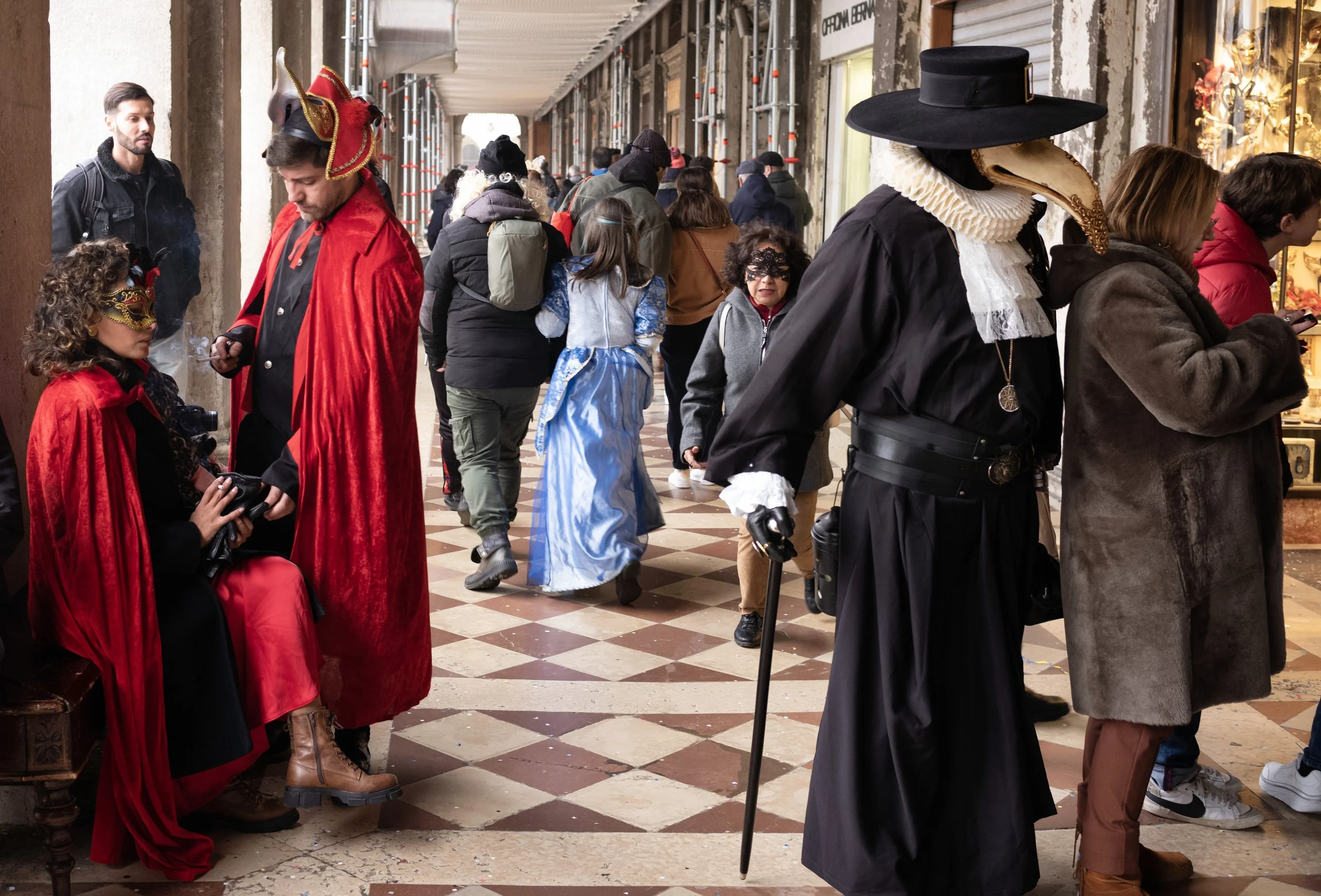
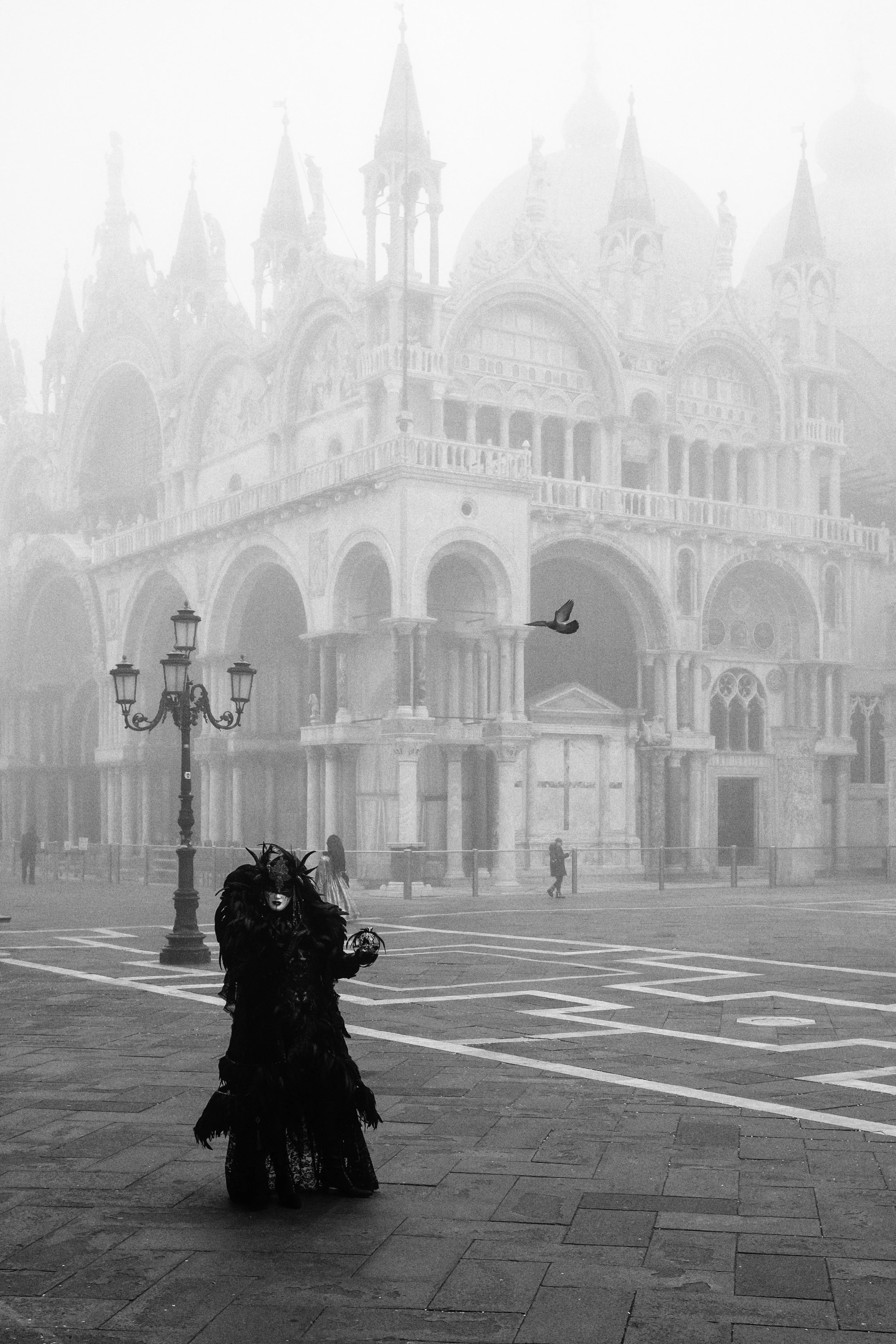
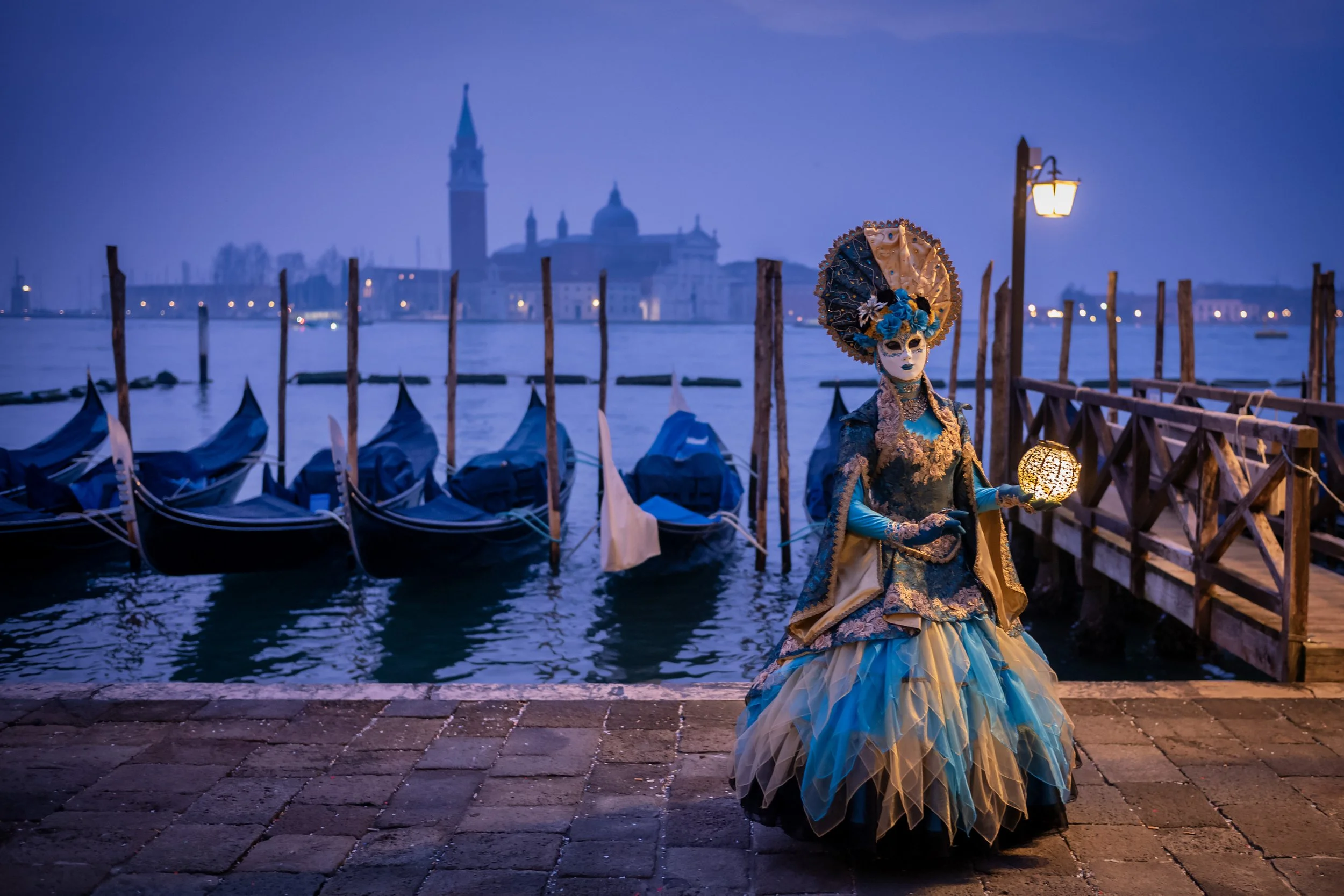
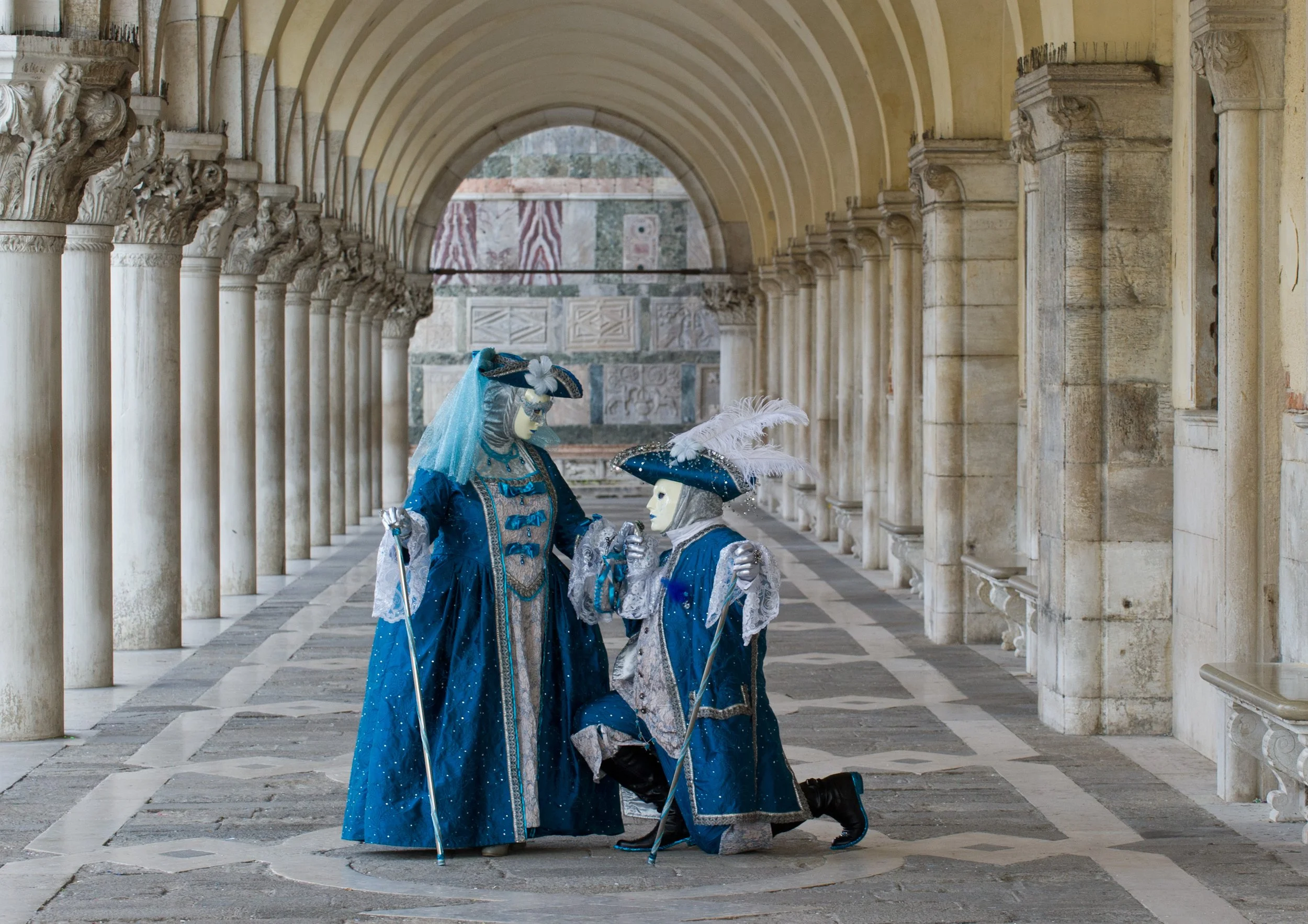
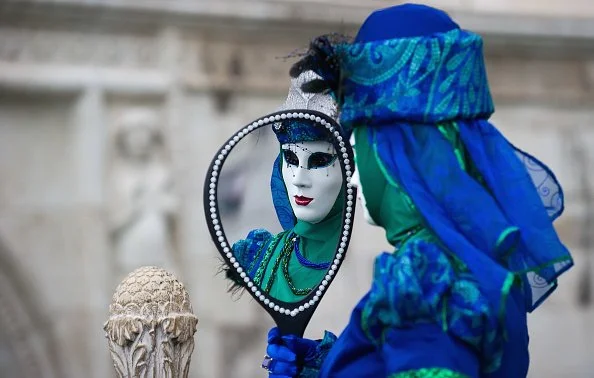
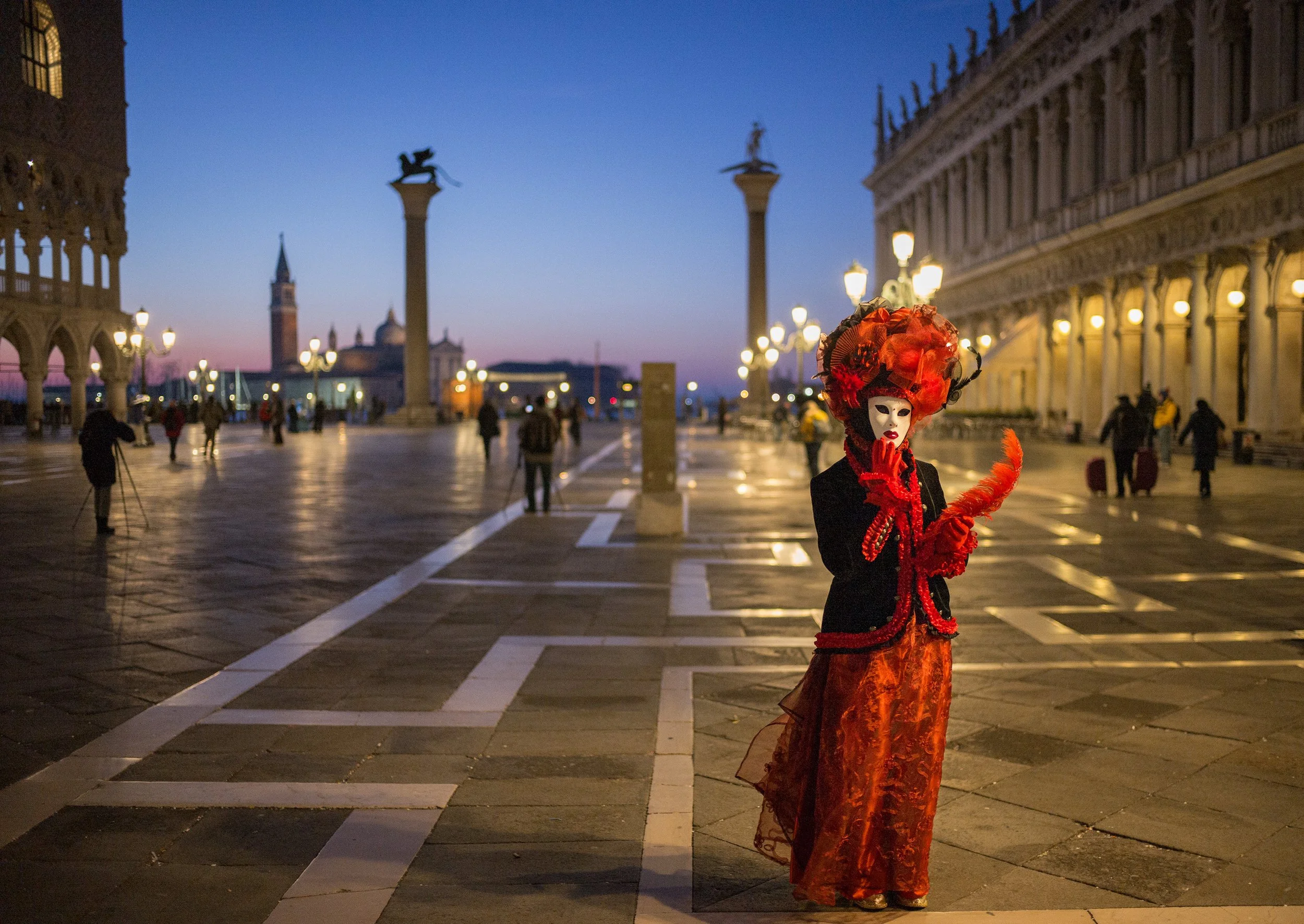
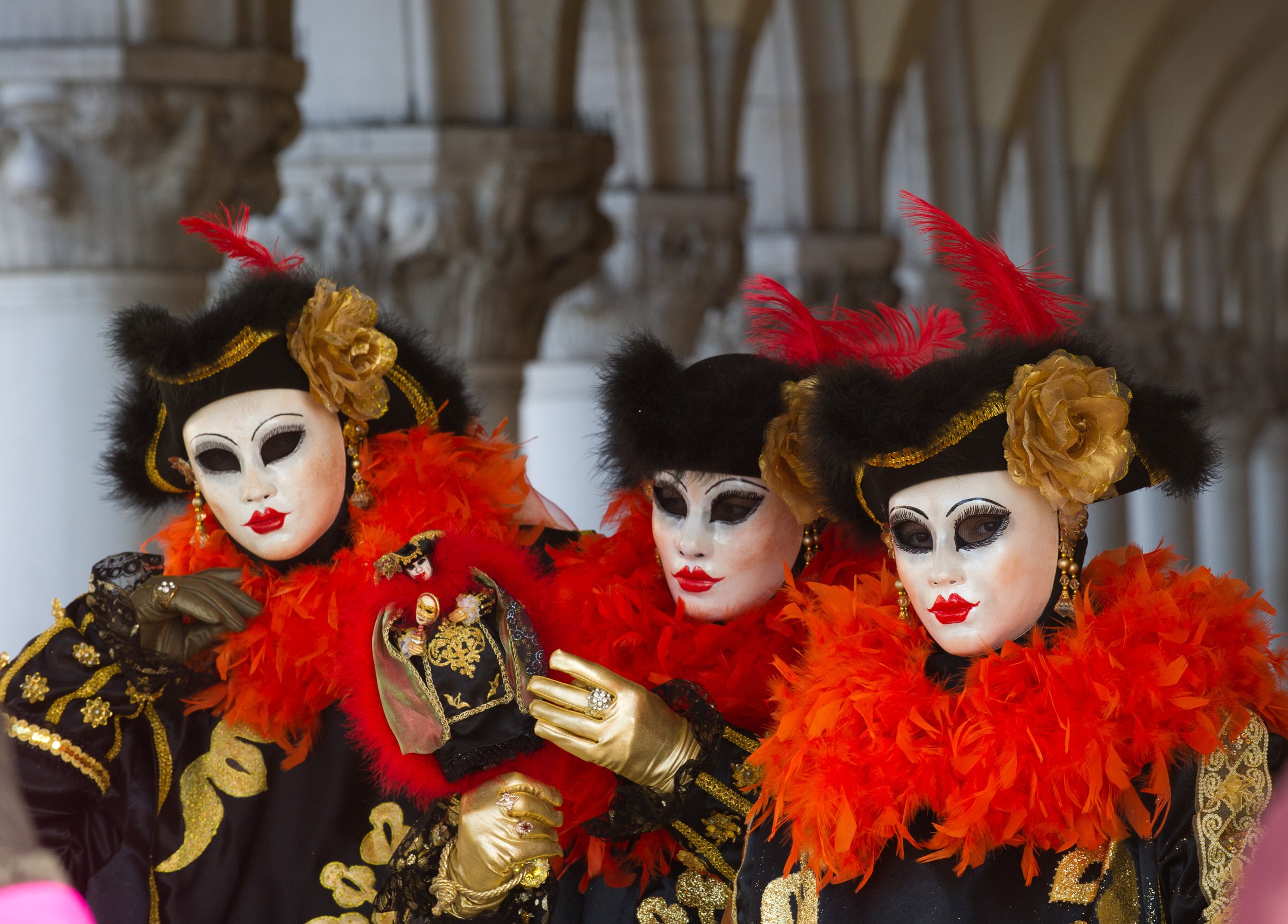
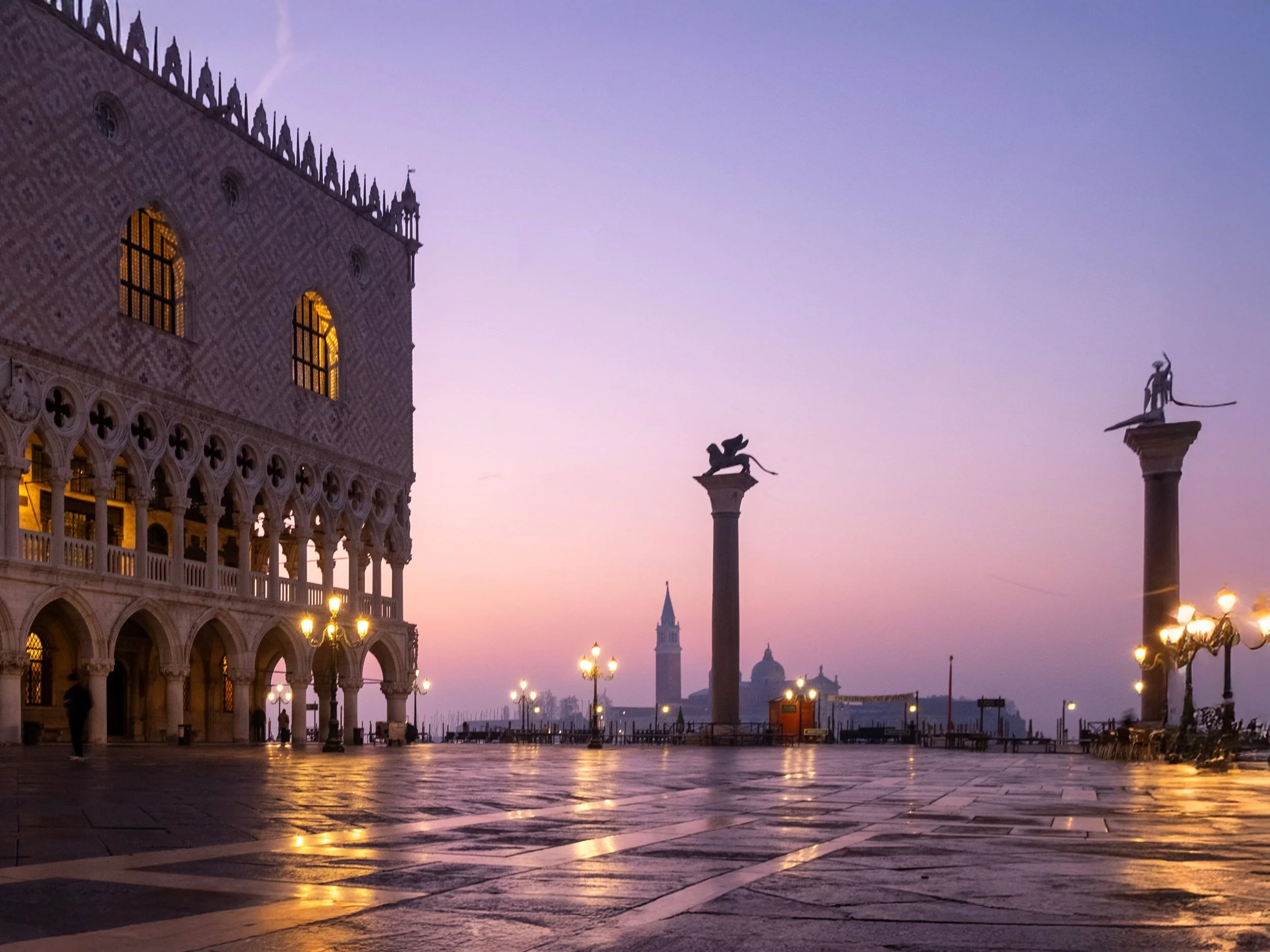
Carnival in Venice is one of the most visually rich events on the planet. Quiet calle before sunrise, soft winter light, mist on the water, and the surreal mix of costumes and masks against the empty squares. The 2026 dates, 31st January to 17th February, are approaching quickly, and this is the moment when many photographers start making their plans.


Although February feels far away, the reality in Venice is very different. Rooms fill up early, private shoots disappear, and moving around becomes harder the closer you get to the peak days. If you want to experience the best of Carnival without the stress, the smart move is to prepare now.

Why Carnival is worth the trip

Carnival offers a combination of light and atmosphere you rarely find anywhere else. Early mornings still feel like winter, with pale colour tones and long shadows. By mid day, the city turns into a theatre set of textures, reflections, and human presence. For anyone who loves portraiture, street, reportage, or fine art work, there is no other time that gives you this mix.

What I offer

I have limited availability for Venice Carnival 2026 across two formats:

Three-day group workshops
• Dates: 9 to 11 February and 12 to 14 February
• Price: 980 euro per person for the full three days
• Group size: maximum 6 participants (min 4)
• Designed for photographers who want structured days, early morning sessions, quieter locations, and strong image making guidance across the festival period.

One day workshops
• Price: 475 euro per person
• Small groups: 2 to 4 people
• Ideal if you want a focused day covering the best light, key locations, and Carnival portraits while avoiding the crowds.

Private one to one
• Available on request
• Minimum 5 hours
• Tailored itineraries and timing, perfect for specific goals or portfolio building.

Now is the right moment to secure your place. By January, the best dates are usually gone.

Whether you want a focused one day private experience or a full three day group workshop, now is the right moment to secure your place. Once January begins, availability drops quickly.

When to book

If you want the full experience with early mornings, portraits, and quieter parts of the city, aim to book in the next two to three weeks. February arrivals often struggle with accommodation and last minute planning, especially around San Marco and Rialto.

Practical tips

• Book accommodation close to your shooting locations to avoid transport delays
• Reserve early morning sessions to avoid crowds
• If you want costumed portraits, consider weekdays for better access
• Bring layers and hand warmers, mornings can be cold
• A fast prime is ideal, but do not underestimate a small telephoto for compressed scenes and portraits

How to reserve

If you are considering joining me during Carnival 2026, the next step is simple. Send a message through my website or contact me directly. I will reply with availability, the options still open, and the structure that best fits your style and goals.

Venice during Carnival is unforgettable for any photographer. If it has been on your list, this is the moment to secure your place. I will confirm dates and guide you to the format that suits you, whether a three day workshop or a focused one day session.

Email me directly here. or check here at Fernwayer

Venice in Winter, A Photographer's Guide to Light, Fog, and Quiet Streets

Winter transforms Venice in a way that surprises first time visitors and keeps photographers coming back year after year. The summer noise fades, the colours shift, and the atmosphere becomes softer and more cinematic. If you want to photograph Venice at its most authentic, the winter months are the season that delivers.

Light That Works in Your Favour

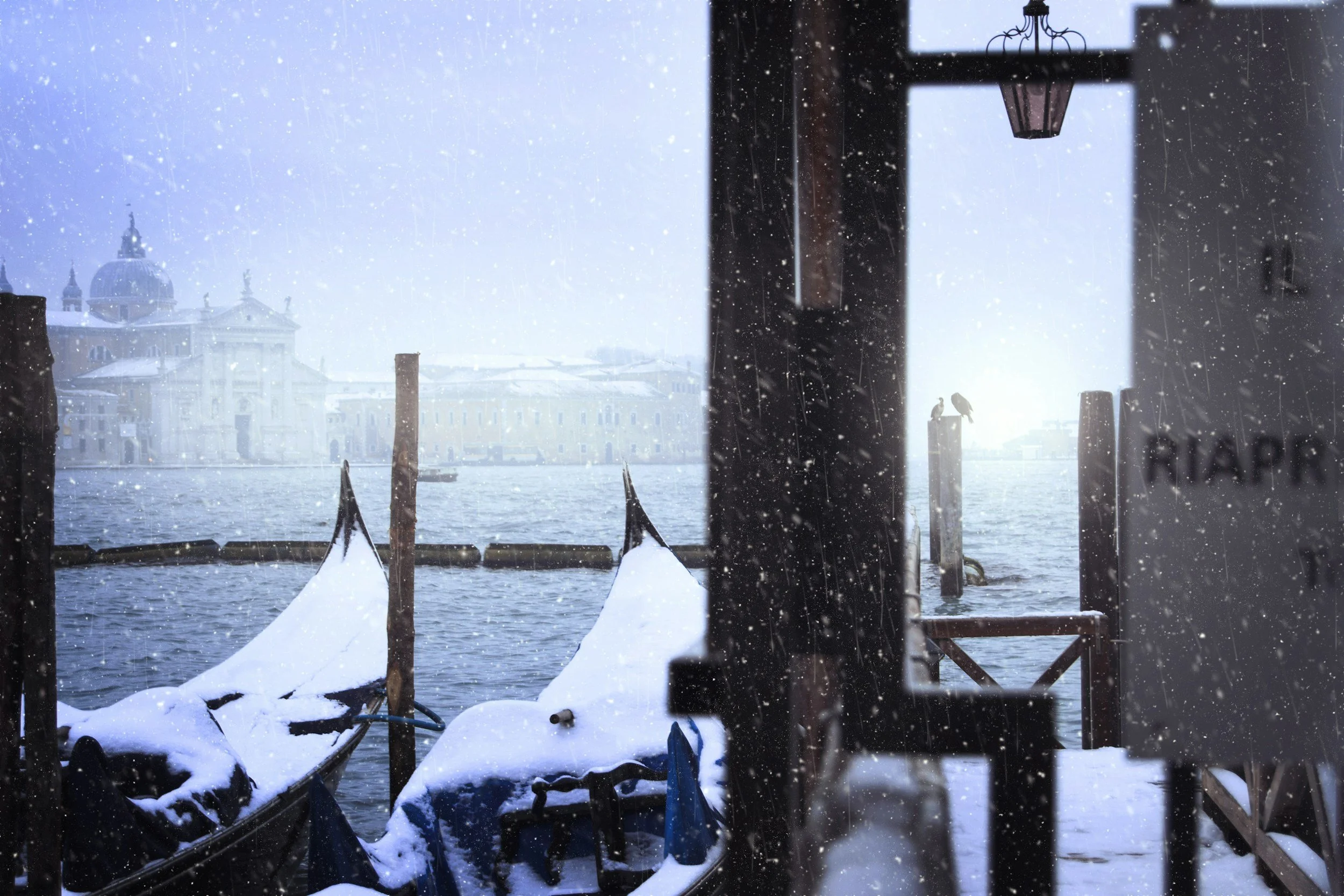
Winter light in Venice is a gift. The sun sits low, giving long directionality even at midday. Colours are calmer and easier to control, without the harsh contrast of summer. Blue hour stretches longer, sunrise is human friendly, and cloud cover often helps rather than hinders.

For photographers, this means more workable hours and fewer wasted sessions. You spend less time fighting the sun and more time composing.

Fog, Mist, and the Atmosphere You Cannot Fake

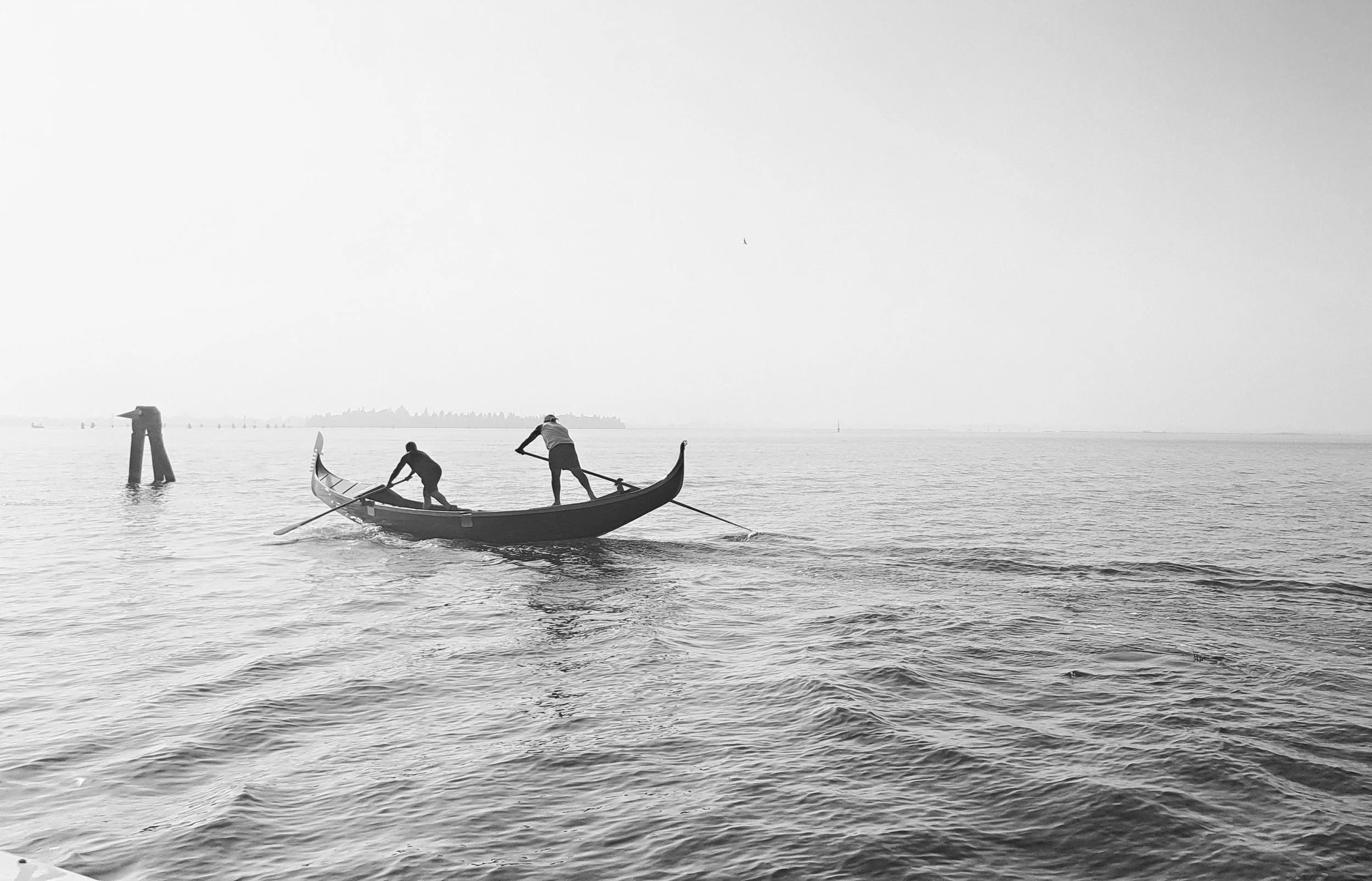
Venice fog is not a myth, it is a regular winter guest. Some mornings the city appears in layers, with palaces half visible and canals fading into grey. This kind of atmosphere elevates simple scenes. A lone passer by on a fondamenta, a gondola disappearing into mist, or a quiet bridge becomes visually stronger.

Even light rain works well in Venice, creating reflections on stone pavements and giving depth to colours. Winter rewards patience and rewards those who appreciate subtler tones.

The Quiet Venice

January and early February, before Carnival, give you a Venice that many visitors never see. Calli are empty, small bridges are silent, and neighbourhoods like Castello, Cannaregio, and Dorsoduro feel almost local again. You can set up a shot, wait for the right moment, and work without interruptions.

For street and documentary style photography this is the ideal season. Human rhythms slow down, faces appear more relaxed, and the entire city becomes more contemplative.
Shorter Days, Better Workflow

Winter gives you a compressed day, which for photographers is a blessing. You can shoot sunrise at a reasonable hour, cover two or three neighbourhoods in half a day, break for a warm drink, and still have time to catch sunset without rushing.

It is a practical rhythm, especially if you enjoy working with natural light.

Practical Tips for Shooting Venice in Winter

Layers and compact gear
Venice gets cold, especially near the water. Dress in layers and keep your setup simple. A fast lens and a camera you know well will outperform a heavy bag stuffed with options.

Waterproof protection
Mist, drizzle, and wet stone are part of the charm. A small cover for your camera keeps things safe without slowing you down.

Footwear matters
Bridges and fondamenta get slippery. Flat, stable shoes make a big difference when moving quickly for a shot.

Plan for wandering
Winter photography in Venice is about exploration. Let the fog lead you. The best scenes appear around corners, not in front of landmarks.

Why Winter Should Be on Your Radar

Venice in winter is not only quieter, it is visually richer. You get mood, texture, and a pace that lets you work deliberately. For photographers who want to capture the city beyond postcards, winter is the most rewarding season.

If you want to go deeper, explore off season workshops or guided sessions that focus exactly on this atmosphere. Venice gives its best in winter, and once you experience it, you understand why so many professionals choose this time of year to return.

For readers who want a deeper look at my approach to photographing Venice, I have a dedicated page about my Venice photography workshops.

The Venice Streets You’ll Never Find on Instagram

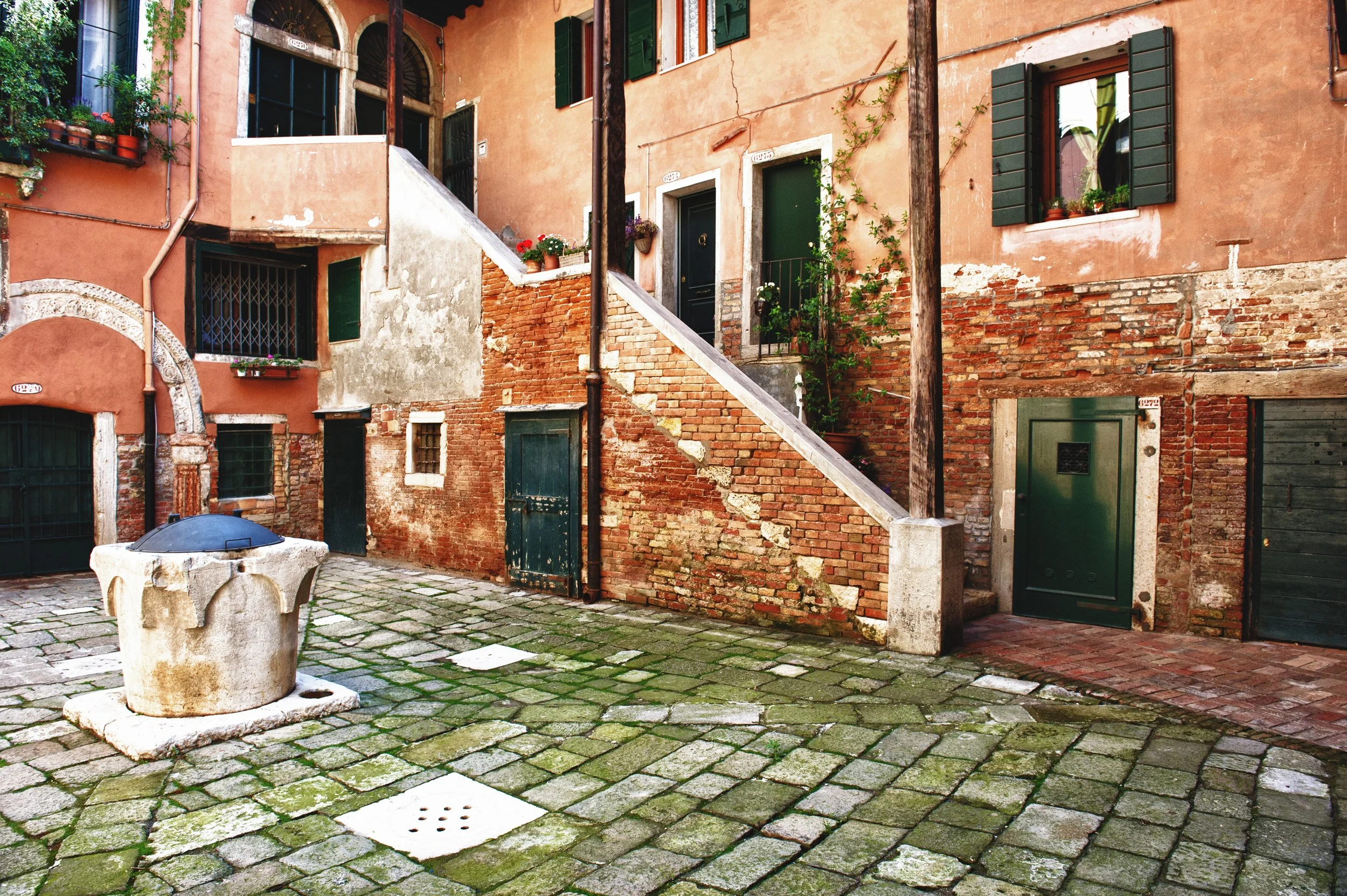
Venice is one of the most photographed cities in the world — yet the city still has corners that remain almost invisible to most visitors. Beyond San Marco and Rialto, there are quiet bridges, shadowed alleys, and lived-in courtyards where Venice shows its truest face.

Here are five places where I return again and again, both as a photographer and as someone who never stops being surprised by this city.

1. Ponte Rielo, Castello

Ponte Rielo takes its name from the Rio Riello and the Fondamenta del Rielo that run alongside it. Built in Istrian stone and restored in 1990, it still carries three carved coats of arms of the Venetian Provveditori di Comun.

But the beauty here is less about the bridge itself and more about the setting. This corner of Castello is calm, authentic, lived-in. Nearby Calle Stella adds its own texture with washing lines strung overhead and facades worn by centuries of salt and sun. For many Venetians, this is one of the most atmospheric hidden corners in the city.

2. Campo San Giacomo dell’Orio, Santa Croce

Today San Giacomo dell’Orio is a lively, green campo where locals gather under the shade of plane trees. But in the 14th and 15th centuries, it was known for something darker: anatomy lessons. By law, cadavers of Venetians were dissected here for the training of medical students — and even barbers, who from 1558 were obliged to attend.

For a time there was even talk of a permanent anatomy theatre on the square. Though never realised in full, the traces linger in the toponyms of the surrounding calli, which still bear the name “dell’anatomia.”

Today it’s hard to imagine that history as you sit with a coffee and watch children playing football across the stones.

3. Cannaregio’s Shadowed Calli

Heading towards the old Ghetto from Strada Nova, you’ll find alleys so narrow the sunlight barely touches the ground. The walls lean close, the calli bend and twist, and the light breaks only in sharp geometric slivers.

This quarter was once one of the most densely inhabited in Venice, and its intimacy is still felt today. For photographers, it’s a place to linger: silhouettes suddenly appear in shafts of light, footsteps echo, and the city feels more like a stage set than a postcard.

I’ve mapped some of my favourite hidden routes through Cannaregio in my Venice guide on Rexby, for anyone who wants to explore further.

4. Corte Botera, Castello

Close to the church of Santi Giovanni e Paolo is Corte Botera, a small courtyard tied to one of Venice’s oldest crafts: the coopers, or barrel-makers. Their confraternity existed here as early as 1290, under the protection of the Purification of the Virgin.

The coopers even had a curious duty: they were obliged to repair the Doge’s barrels free of charge, provided the state supplied the hoops, willow ties, and food for the workers.

Centuries later, Corte Botera would gain a different kind of fame: Hugo Pratt set scenes of his graphic-novel hero Corto Maltese here, drawing on the shadows and silences of Castello. Standing in this courtyard, it’s easy to feel both history and fiction alive around you.

5. Fondamenta Vecchia & the Casino degli Spiriti, Cannaregio

At the far end of Fondamenta Vecchia, beyond the Scuola della Misericordia, the city suddenly falls quiet. The lagoon stretches open, San Michele lies on the horizon, and across the water sits the Casino degli Spiriti — the “House of Spirits.”

Once a Renaissance gathering place for painters like Titian and Tintoretto, it later took on darker uses. During outbreaks of plague it was used as a place to hold victims, and over centuries it gathered rumours of ghostly voices and wandering souls. In 1929, the discovery of four headless bodies inside cemented its reputation as one of Venice’s most haunted places.

Whether you believe the stories or not, the view from this quiet fondamenta is extraordinary: Venice suspended between stone, water, and legend.

Venice still hides entire worlds behind its tourist façade. Bridges where coats of arms weather the centuries, squares that once staged anatomy lessons, courtyards tied to lost crafts, and haunted palazzi facing the lagoon.

These are the places I return to with my camera — and the ones I love sharing during my small, immersive photography workshops in Venice.

If you’d like to discover more hidden corners, join over 3,000 readers on my Substack newsletter — every week I share practical tips, stories, and photography insights from Venice and beyond.

And for those who want all my 250+ secret spots in their pocket, explore The Venice I See on Rexby.

If you enjoyed this, you may also like:

Venice Carnival 2026 Photography Workshop

Venice Carnival 2026 Photography Workshop

Step into the magic of Venice carnival with an insider’s guide — one frame at a time.

🎭 Why 2026 is different

“Building on the incredible energy of our 2023 and 2024 workshops, this year promises even more exclusive access, refined itineraries, and custom portrait opportunities. Expect deeper storytelling through your lens — and moments you won’t find on postcards.”

📅 Dates & Highlights

  • Peak period: Venice Carnival 2026 is from the 7th to the 17th of February 2026..

  • Exclusive encounters: Sunrise and evening sessions near iconic locations like St. Mark’s and hidden canals, when Venice whispers its secrets.

  • Inside access: Quiet, less-crowded zones curated just for us, blending cityscape drama with intimate portraits.

🧭 What you’ll take home

  • Beyond costume clichés: Learn to capture character, gesture, and emotion for unforgettable editorial-style images.

  • Technical confidence: From manual exposure in low light to dynamic street scenes, I'll help you remain creative control-ready.

  • A refined editing workflow: Pre‑ and post‑shoot sessions will help you shape your visual narrative.

👥 Private & Group Experiences

3-DAY Venice Carnival 2026 Workshop

  • 9th -11th. and 12th - 14th FEBRUARY 2026

  • Euro 980 Per Person Max 6 people

  • Three full days approx, 8 hours of shooting per day

1 Day 1-2-1 Sunrise to Sunset

  • available during 8th to 15th February 2026

  • Euro 950 for 2 people

Choose the format that fits your vision, and together we'll bring your most evocative Carnival story to life.

🔗 Ready to reserve your spot?

Let me know whether you prefer private or group, plus any key shots you'd love to capture. Spaces are limited — let’s make your 2026 Carnival unforgettable

My Venice Carnival Workshops are exclusive to Fernwayer.

You can contact me HERE


🎭 Venice Carnival 2026 Photography Workshop

Document the Story Behind the Mask

Delve into the heart of Venice during its most enigmatic season. Carnevale is not merely an event — it's a narrative unfolding in alleys veiled by February mist, where every shadow whispers secrets, and every silhouette begs to be framed.

For a photojournalist — and a storyteller — Carnevale is a sensory storm, a theatre of the surreal, and a challenge to see beyond the spectacle.

🖋 What This Workshop Is (And Isn’t)

In this 2026 edition, we go beyond the grand costumes. Yes, we’ll cross paths with dazzling masks and baroque flourishes, but that’s just the surface. Our focus? The unscripted chaos, the quiet absurdity, the fleeting gestures that define the soul of Carnival.

Expect a documentary and street photography approach:

  • Shooting early mornings in fog-wrapped piazzas

  • Observing masked figures in solitude, away from the crowd

  • Capturing juxtapositions of tourists and locals, surreal and mundane

🏙 Venice in February

The city wears its most dramatic mood in February — part ghost story, part theatre set. Light becomes texture. Spaces feel cinematic. And you, the photographer, are the narrator.

We’ll navigate hidden corners and crowd-heavy battlegrounds alike, always chasing stories — not staged portraits, but the strangeness of the real.

📷 Who This Is For

This is for photographers who:

  • Are tired of postcard shots

  • Want to develop a sharper, journalistic eye

  • See photography as storytelling, not souvenir-making

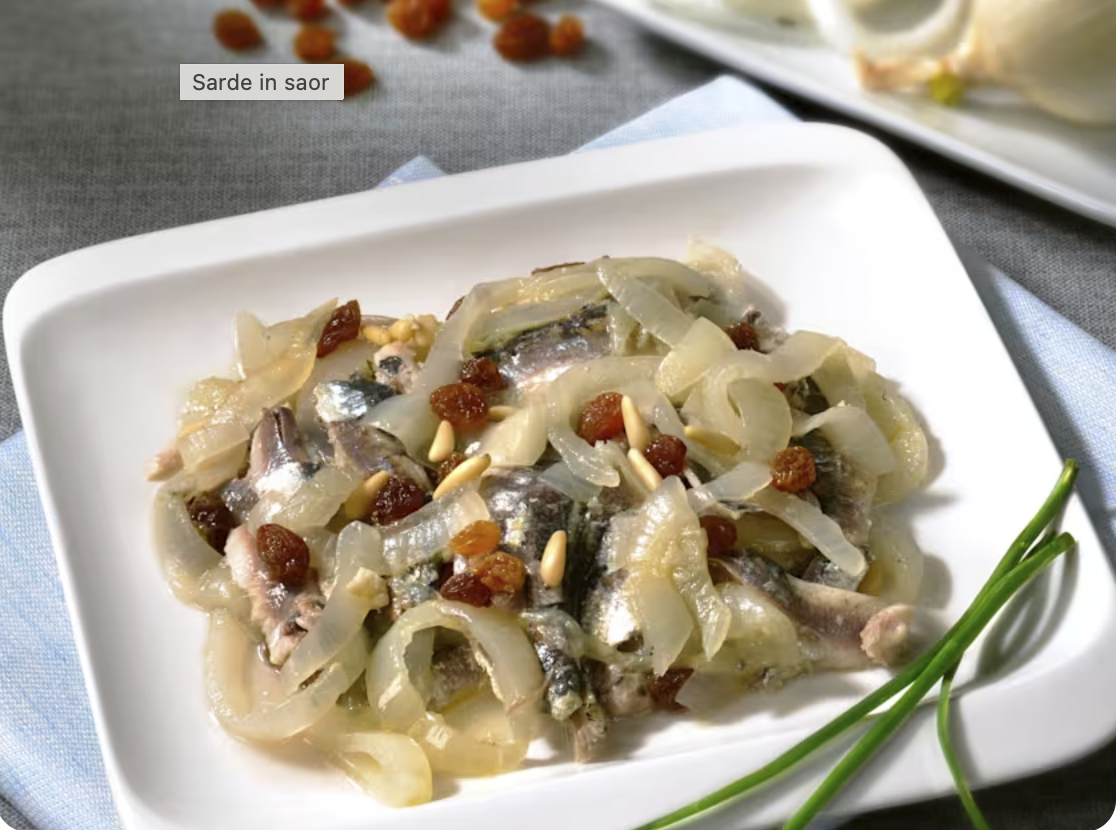
Sarde in Saor: Venice’s Sweet and Sour Soul on a Plate

Venice isn’t only about canals and Carnival. It’s also about flavour — layered, unexpected, and rooted in centuries of history. And if one dish captures that essence better than any postcard or mask, it’s sarde in saor.

This humble yet deeply Venetian dish was once a practical solution for fishermen: sardines preserved in vinegar, onions, pine nuts, and raisins — ingredients that kept well on long sea voyages. Over time, what began as necessity became tradition. Today, it's served cold, often after resting a day, allowing the sweet-and-sour balance to deepen into something quietly powerful.

As a Venetian-born photographer, I’ve tasted sarde in saor in dozens of bàcari and osterie. It’s a dish that reveals more than just flavour — it tells a story. The contrast of acidity and sweetness is like the city itself: full of unexpected harmonies, melancholic light, and subtle surprises.

Where to Try the Best Sarde in Saor in Venice

Here are a few trusted places where the dish is prepared with care — and occasionally, with a creative twist:

🐟 Cantina Do Spade (San Polo)

One of the oldest bàcari in Venice. A perfect place to start — rough, busy, authentic.

🐟 Osteria alle Testiere (Castello)

Elegant and refined. If they have it as a starter, don’t hesitate.

🐟 Antiche Carampane (San Polo)

Beautiful execution, rich and balanced. Pricey but worth it.

🐟 Alla Vedova (Cannaregio)

Popular with locals, casual and friendly. Pairs beautifully with a glass of white.

🐟 Trattoria Da Bepi Gia 54 (San Marco)

A bit off the radar. Warm, traditional, with the kind of atmosphere that makes you linger.

A Tip for Photographers

Sarde in saor isn’t glamorous, but it’s textured. Use soft side lighting to enhance the shimmer of the marinated sardines and the golden glow of the onions. Try shooting it at a bàcaro counter — the patina of age adds depth. Sometimes the dish is served on rustic ceramic or paper — lean into the imperfection. That’s the charm.

Final Thoughts

Eating sarde in saor is like reading the first page of Venice’s diary. It won’t overwhelm you — but it stays with you. Like the city, it’s better appreciated slowly, with attention.

So next time you're in Venice, skip the carbonara and chase the saor.


🍴 Still hungry?
If sarde in saor whetted your appetite for more of the “real Venice” (and you’re not afraid of onions and vinegar), dive into my Rexby guide. It’s packed with food finds, photo-worthy corners, and places where Venetians still eat like Venetians — saor and all.


Wine Lovers' Day Trips from Venice: The Best Vineyard Tours You Can Actually Visit

Think Venice is just canals and churches? Try vineyards and bubbles.

While Venice might steal the spotlight with its gondolas and Gothic facades, the surrounding countryside quietly produces some of Italy's most iconic wines. Within a 1–2 hour radius, you’ll find rolling Prosecco hills, ancient red wine estates, and even a vineyard hidden on a Venetian lagoon island.

Whether you're a fan of crisp whites, bold reds, or sparkling Prosecco, here are five vineyard experiences you can actually visit from Venice—day trip–friendly, photogenic, and deeply sippable.

1. Prosecco Hills (Valdobbiadene & Conegliano) — UNESCO Bubbles & Beauty

Why go: This is the heartland of Prosecco Superiore DOCG, set against postcard-perfect hills.

What to expect: Most tours include visits to two family-run wineries, generous tastings, and a light lunch in a rustic osteria. Wineries like Bisol, Nino Franco, and Villa Sandi are known for their heritage and stunning vineyard settings.

Photography tip: Sunset light on these hills is pure gold. Think vineyard lines, vintage trucks, and sweeping views.

Tour time: Full-day (6–8 hours).

Getting there: Private transfer or small-group van tours from Venice.

2. Valpolicella & Amarone (Near Verona) — Red Royalty

Why go: If bold reds are your thing, Amarone is your king.

What to expect: Visit historic estates in the Valpolicella region like Tommasi or Allegrini and taste Amarone, Ripasso, and Recioto wines. Often includes a stop in a medieval hilltown and lunch overlooking the vines.

Photography tip: Barrels, dramatic skies, and the play of light on the deep red wine in your glass.

Tour time: 9 hours; private or small group.

Getting there: Pickup in Venice with transport included.

3. Soave — White Wine with a Volcanic Twist

Why go: Soave is elegant, mineral, and beautifully underrated.

What to expect: Vineyards rooted in volcanic soil, with tours that often combine tastings of Soave Superiore with food pairings or a combo Amarone afternoon. Notable producers include Inama and Pieropan.

Photography tip: Vineyards under looming castle ruins and pale stone farmhouses. Minimalist but beautiful.

Tour time: Full-day option, often paired with Valpolicella.

Getting there: Best via a private tour operator.

4. Colli Euganei (Euganean Hills) — The Volcanic Secret of Veneto

Why go: A lesser-known region producing diverse wines with dramatic volcanic terroir.

What to expect: Sparkling Serprino, deep reds, and smooth whites. Visit places like Cantina Vignalta or Monte Fasolo for authentic tastings. Bonus: a walk through the vines with views over ancient castles and thermal springs.

Photography tip: Wildflowers, foggy ridges, and lonely vineyard roads.

Tour time: About 8 hours.

Getting there: Via tour companies specializing in off-the-beaten-path experiences.

5. Mazzorbo Island — A Vineyard in the Venetian Lagoon

Why go: It’s surreal. A vineyard surrounded by canals.

What to expect: Dorona di Venezia is a rare golden grape saved from extinction by the Bisol family. Tours at Venissa often include tastings, fine dining, and exploring the surrounding islands of Burano and Torcello.

Photography tip: Rows of vines reflected in lagoon waters, paired with lace-makers in Burano. It doesn’t get more photogenic.

Tour time: Half-day.

Getting there: Vaporetto or private boat from Venice. No car needed.

How to Choose the Right Tour

  • Love sparkling wine? Head to Prosecco Hills.

  • Prefer bold reds? Go for Valpolicella and Amarone.

  • Craving white wines with character? Choose Soave.

  • Want fewer tourists? Explore Colli Euganei.

  • Looking for something unforgettable? Visit Mazzorbo.

Final Sip

Whether you’re chasing bubbles or the perfect vineyard photo, these day trips offer more than just wine — they offer a real taste of Veneto. If you're looking to combine wine with photography, feel free to reach out. I can help arrange custom experiences or private workshops that end with a glass in hand.

Need help choosing or booking a winery? Just ask — I’m happy to share tailored suggestions.

Here’s a preview from my Rexby Guide for wine lovers — an interactive map with curated vineyards, tastings, and hidden stops across Veneto.

Venice in a Different Light: Autumn & Winter Twilight and Sunrise Workshops

Venice is a city that reveals its truest self when the crowds disappear, the air grows crisp, and the soft glow of morning or evening light bathes the stones and water in gold and silver. From late autumn to the depths of winter, I offer exclusive 4-hour private photography workshops during the most magical times of day: twilight and sunrise.

These sessions are not for everyone—they’re for those who want to experience Venice in its purest, most poetic form. And yes, there’s still some availability for the upcoming season.

Why Autumn and Winter?

In these cooler months, Venice slows down. The mist rolls in. Reflections on the canals are undisturbed. Tourists thin out, and locals reclaim their rhythm. This is when Venice becomes an intimate stage—perfect for capturing its layered beauty and melancholy elegance.

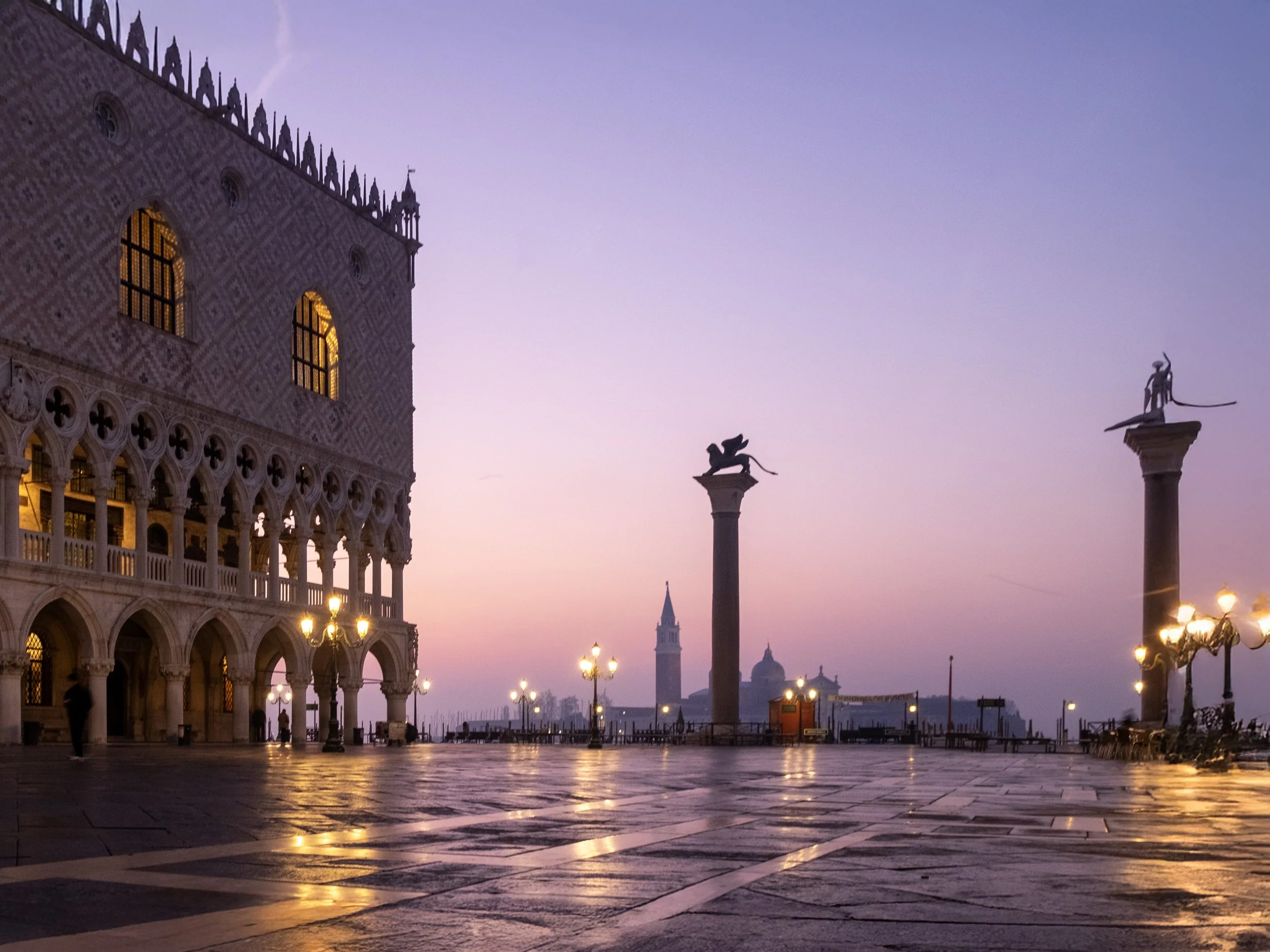
Whether you’re looking for that perfect fog-drenched alleyway, the warm glow of street lamps reflecting on wet stones, or the quiet majesty of a deserted Piazza San Marco at dawn, these workshops are timed to give you just that.

Who Is This For?

These 4-hour sessions are ideal for:

  • Photographers of all levels looking to refine their use of natural light

  • Leica shooters and lovers of black-and-white

  • Travelers seeking a deeper, quieter connection with Venice

  • Creative souls who want to slow down and observe

  • Anyone interested in storytelling, composition, and mood

We’ll walk together, guided by light and instinct. No rigid route—just the city, the silence, and your vision.

What You’ll Get

  • 1-to-1 guidance tailored to your style and goals

  • Advice on composition, light, and lens choice

  • Optional discussion of post-production ideas and workflow

  • A deeper understanding of Venice through a local’s eye

  • And yes… possibly the best coffee you'll have in Italy (break included!)

What You Should Know

  • Duration: 4 hours (sunrise or twilight start, based on season and light conditions)

  • Availability: Limited dates from October to February

  • Price: €550

  • Location: Central Venice and selected hidden corners, away from the crowds

Still Some Availability

This is one of my most requested workshop formats, especially among returning clients and travelers looking for a more contemplative experience of Venice. I recommend booking in advance—but if you're reading this and thinking, "this is exactly what I need," feel free to contact me directly to check the latest availability.

Venice reveals a completely different mood in autumn and winter — soft light, empty streets, and colours you’ll never see in summer. These are the moments I build my small, immersive workshops around.

👉 Want to experience it yourself? Join me for a Venice Photography Workshop this season and discover the city at sunrise and twilight.

And for ongoing inspiration, subscribe to my Substack newsletter — weekly stories, insights, and behind-the-scenes tips on photographing Venice.

If you enjoyed this, you may also like:

Peeing in Paradise: The (Very Real) Bathroom Survival Guide to Venice

Yes, Venice is magical. But where do you go when you really need to go?

Let’s get one thing straight: Venice is breathtaking. The canals, the alleys, the unexpected shafts of light — pure poetry. But if you're exploring the city and suddenly find yourself in need of a bathroom... the poetry stops.

It’s one of the least talked about, most shared concerns among travelers. So let’s talk about it — the Venice loo situation.

🚽 Public Toilets: Yes, They Exist

The city does provide public restrooms — usually labeled “WC Pubblico” — and they're not awful. They’re clean, functional, and… cost around €1.50. Think of it as a small investment in your dignity.

You’ll find them in places like:

  • Piazzale Roma (bus terminal)

  • Accademia (Dorsoduro side)

  • Rialto/San Bortolo

  • Santa Lucia train station

  • Giardini (great during the Biennale)

  • Tronchetto (for the brave)

Some take coins only, some accept card. Most have turnstiles. None will give you change. Welcome to the adventure.

☕ Bars, Cafés & the Great Venetian Espresso Trick

If you’re in a pinch, duck into a café and order a coffee. This is the classic workaround: pay €1.30 for an espresso and earn access to the restroom.

Many places are used to this — some hand you a key, others trust you to find the door. Some hide the bathroom like it’s a state secret. If in doubt, just smile and say:
"Scusi, dov’è il bagno?"
(Translation: Excuse me, where’s the bathroom? Delivery tip: don’t whisper it.)

🛍️ Hidden Gems and Fancy Flushes

Looking for a more elevated experience?
Try these:

  • Fondaco dei Tedeschi (near Rialto): luxury shopping and designer toilets.

  • Museums: Guggenheim, Correr, Doge’s Palace… your ticket buys you both art and relief.

  • Bookshops and cultural spaces: hit-or-miss, but worth a try if you’re nearby.

Bonus: larger hotels sometimes let you in if you’re discreet and polite. You didn’t hear it from me.

💡 A Few Golden Rules

  • Don’t wait too long. You may think you’ll find a spot in 5 minutes. You won’t.

  • Always carry tissues. Trust me.

  • Hydration is great. Strategy is better.

  • Follow the locals. If they all head to one bar mid-morning… there’s a reason.

One Last Tip…

In The Venice I See guide, I’ve added real-world bathroom tips among the canals, coffee stops, and photo gems. Because nothing ruins the perfect shot like a desperate dash to the nearest WC.

👉 Here’s a preview from the guide — an interactive map with 250+ curated spots to make exploring Venice easier (and more comfortable)


Getting Around Venice: Vaporetto, Water Taxi, or On Foot?

Venice doesn’t offer you the usual travel choices—no Ubers, no traffic jams (except maybe on the Grand Canal), and no car horns. Here, how you move is part of the experience. But the truth is, many visitors underestimate how different navigating Venice really is. Whether you’re arriving for the first time or returning for another taste of La Serenissima, here’s what you need to know—not just the basics, but what actually matters.

🚤 Vaporetto: Venice’s Floating Metro

Vaporetti are public water buses that zigzag through Venice’s canals and to the outlying islands like Murano, Burano, and Lido.
They’re not romantic—but they are efficient.

  • Lines to know: Line 1 is slow but scenic (perfect for your first ride down the Grand Canal), Line 2 is quicker and skips some stops.

  • Tickets: A single ride is expensive (€9.50), so get a 1-3 day ACTV pass if you’ll ride more than twice.

  • Timing: They’re reliable but often crowded. Early mornings and late evenings are the best for space and views.

Local tip: Stand in the front (when allowed) for iconic photos—but keep an eye on the spray!

🛥️ Water Taxis: Glamorous, Fast, and Pricey

There’s no better way to arrive in Venice than by private water taxi. Gliding across the lagoon, city unfolding in front of you, it feels like a movie scene—and it often is (Hollywood loves them).

  • Cost: Around €120–€150 from the airport to central Venice. Yes, it’s steep. But if you’re traveling with luggage, or just want the wow factor, it’s worth it.

  • Shared options: Many companies now offer shared water taxis for ~€35–45 per person, a good middle ground.

When to use it: Arrival day, special occasions, or anytime you want a dramatic entrance.

🚶 Walking: The Only Way to Really See Venice

Venice is a city made for walking—and getting lost is part of the charm. No matter how good your map app is, you’ll turn a corner and find yourself in a different world. That’s not a bug. It’s a feature.

  • Distances: Despite the maze-like layout, most places are 15–30 minutes apart by foot.

  • Footwear: Leave the heels at home. Cobblestones + bridges = regret.

  • Bridges: There are over 400 of them. You will cross several. Take your time—many have stunning views most tourists miss.

Photographer’s tip: Early morning and blue hour are magical. Venice empties out and the reflections on the canals are pure poetry.

Want More Than Just a Walk?

If you’d like to turn a simple stroll into something deeper — seeing beyond the postcard — consider joining me on a private Venice photo walk. Whether you carry a camera or just your phone, we’ll explore hidden corners, observe the rhythm of daily life, and capture Venice in a way most never notice.

🚤 Planning your own route? Explore my Rexby Guide — with 250+ curated spots, practical to-do lists, and even transport tips that make navigating Venice easier.

If you enjoyed this, you may also like:


Beyond Stracciatella: The Most Unusual Gelato Flavors in Venice

Venice is a city that knows how to surprise you—whether it’s a quiet calle leading to an empty canal or a fleeting moment of light dancing on the water. But if you’re wandering through the sestieri in search of something sweet, leave the usual pistachio and chocolate behind. This is a city where even gelato becomes a work of imagination.

So, what’s on the menu for the adventurous palate?

🌿 Rocket & Ginger — Gelateria Alaska (Santa Croce)

You read that right—rocket, the spicy arugula-like green, paired with ginger. At Gelateria Alaska, one of the city’s best-kept secrets, you’ll find this herbal-spicy combo that’s as refreshing as it is unexpected. The owner Carlo doesn’t just serve ice cream—he crafts it like a Venetian alchemist.

🌶️ Chili Chocolate Sorbet — Il Doge (Dorsoduro)

For those who like a bit of fire with their sweetness, this rich dark chocolate sorbet gets a subtle but satisfying kick of chili. It lingers just long enough to make you smile—and pairs beautifully with a scoop of creamy hazelnut.

🍵 Matcha Latte, Dubai Chocolate & More — Gelato Fantasy (San Marco + others)

Sure, it's in a tourist-heavy area, but Gelato Fantasy surprises with flavors like Dubai Chocolate (a rich, spiced blend) and Matcha Latte, plus a selection of vegan and sugar-free options that don't skimp on taste.

🍫 Nougatine & 77% Dark Chocolate — Venchi (Various Locations)

A bit more upscale, but if you're a chocolate lover, Venchi’s deep, velvety dark chocolate gelato (77% cacao) is worth the indulgence. Their Nougatine flavor adds texture with caramelized nuts folded in.

🍡 Michi — Gelato di Natura (Santa Croce)

A gelato-filled mochi (or Michi, as it’s called here), blending Japanese technique with Italian flavors. Light, chewy, creamy—and a conversation starter.

Pro Tip for the Gelato Purist:

Avoid the towering neon-colored gelato mounds. True artisans keep their gelato in pozzetti (covered tubs), and natural colors speak of real ingredients—not artificial sweet talk.

Whether you’re strolling through Cannaregio or catching the sunset near Zattere, Venice offers flavors as layered and unpredictable as the city itself. Step off the beaten cone and discover gelato that tells a story—one scoop at a time.

And yes, if you're keeping notes for your travel guide or photo journal, don’t forget: rocket gelato is a thing—and it’s oddly wonderful.


Craving more than just unusual gelato? Venice is full of hidden flavours—visual, cultural, and culinary—and I’ve gathered over 200 of them in my Real Venice Rexby Guide. From quiet canals to artisan bacari, every spot is personally selected to help you experience the city the way Venetians do.

📍 Explore the guide here and discover your own slice of the unexpected. Because Venice isn’t just to be seen—it’s to be tasted, felt, and lived.

Venice’s Secret Gardens: Peaceful Green Spaces to Escape the Crowds

Venice isn’t exactly famous for its greenery. When people think of the city, they imagine stone bridges, narrow alleys, and canals — not trees and grass. And yet, behind high walls and through tucked-away gates, Venice hides a surprising number of green spaces: secret gardens, public parks, and tranquil courtyards where time slows and the noise fades.

📬 Love Venice beyond the clichés?

Subscribe to **Through the Lens with Marco Secchi** for photo-rich stories, tips, and hidden places — including updates like this one.

Here are some of my favourite public and semi-public gardens in Venice — ideal for wandering, reading, or simply catching your breath between photo walks.

1. Giardini della Biennale (Castello)

Created by Napoleon in the early 19th century, these are the largest public gardens in Venice and the heart of the Venice Biennale exhibitions. Even outside of Biennale season, the park is open and worth visiting: tree-lined paths, benches, and a rare sense of open space. Early mornings here are especially quiet — perfect for a reflective walk or some soft light photography.

🗺️ Location: Eastern Castello
📸 Photographer’s tip: Visit at sunrise or just after rain for beautiful reflections and solitude.

2. Giardini Reali (San Marco)

Tucked between Piazza San Marco and the Grand Canal, the Royal Gardens have been recently restored and reopened. They offer a rare green escape just steps from Venice’s most touristed spot. Once part of a Napoleonic plan to bring French-style gardens to Venice, they now serve as a stylish breather with elegant walkways and iron pavilions.

🗺️ Location: Just behind the Giardinetti Reali Vaporetto stop
📸 Photographer’s tip: Ideal for symmetry lovers and subtle urban nature shots.

3. Campo San Francesco della Vigna Cloister Garden (Castello)

Part of the grand church of San Francesco della Vigna, this serene cloister is not always open, but if you’re lucky, you might find the gate ajar. Inside, you’ll find symmetrical arcades, a simple garden layout, and an almost monastic silence. It’s a true hidden gem for photographers and those seeking calm.

🗺️ Location: North Castello
📸 Photographer’s tip: Use a 28mm lens or wider to capture the full harmony of the arches and courtyard.

4. Cloister of San Giorgio Maggiore (Isola di San Giorgio)

Just across the canal from San Marco, the island of San Giorgio is a peaceful retreat, and its church houses one of the most harmonious cloisters in Venice. Visit the bell tower for sweeping lagoon views, then descend and relax in the garden below.

🗺️ Location: San Giorgio Island, reachable by Vaporetto
📸 Photographer’s tip: Use the geometry of the columns to frame stillness and shadow.

5. Parco delle Rimembranze (Sant’Elena)

This quiet park on the far eastern edge of Venice is popular with local families and joggers but rarely visited by tourists. Tall pine trees, open fields, and war memorials create a slightly melancholic but peaceful space. Great for a picnic or simply escaping the madness of central Venice.

🗺️ Location: Sant’Elena
📸 Photographer’s tip: Great for candid shots of locals, light filtering through trees, and long-lens compression.

6. Palazzo Querini Stampalia Garden (Santa Maria Formosa)

While not free, this hidden garden — designed by Carlo Scarpa — is worth the small ticket price. It’s a masterpiece of modernist design, water features, and subtle symbolism. If you’re into architecture and minimalism, don’t miss it.

🗺️ Location: Near Campo Santa Maria Formosa
🎟️ Ticketed entry
📸 Photographer’s tip: Late afternoon light brings out the textures and angles best.

Bonus: Private Gardens Seen Through Gates

Keep your eyes open while walking — Venice has dozens of private gardens behind wrought iron gates or stone walls. Some are part of historic palazzi, others attached to convents or noble houses. They aren’t open to the public, but they offer a glimpse into a more lush and private side of Venice.

📸 Photographer’s tip: Use a fast prime lens to shoot through narrow openings with shallow depth of field.

Update July 2025: A long-hidden garden behind the Redentore Church on Giudecca has just reopened after 500+ years. It’s now part of my Venice Rexby Guide — read more here.

Final Thoughts

Green spaces in Venice are rare, but they exist — and they’re beautiful precisely because they feel so unexpected. Whether you're looking for a place to think, sketch, take a break from photography, or simply breathe in the scent of old trees and salty air, these gardens and parks offer another way to see the city.

And if you’re planning to explore Venice beyond the usual, take a look at my Rexby Guide to Venicee — it includes personal, quiet corners perfect for contemplative walks and authentic photo opportunities.


Vogalonga: Venice's Rowing Renaissance

Imagine a Venice where the only sounds are the rhythmic splash of oars and the cheerful banter of rowers. No motorboats, no vaporetti—just the serene symphony of human-powered vessels gliding through historic canals. Welcome to the Vogalonga.

A Journey Back to Tradition

In 1974, a group of Venetian rowing enthusiasts, concerned about the damaging effects of motorboat traffic on their beloved canals, organised a friendly regatta among traditional boats called mascarete. This event sparked the idea for the Vogalonga—a non-competitive, 30-kilometre rowing event that would celebrate and preserve Venice's rich maritime heritage. The first official Vogalonga took place in 1975, attracting around 1,500 participants in 500 boats. 

The Route: A Scenic Circuit

The Vogalonga course offers a picturesque journey through Venice's lagoon:

  1. Start: Bacino di San Marco, marked by a cannon shot.

  2. Lagoon Islands: Passing by Sant'Elena, Vignole, Sant’Erasmo, and San Francesco del Deserto.

  3. Northern Lagoon: Skirting around Burano and Mazzorbo.

  4. Return: Through Murano, entering the Cannaregio Canal.

  5. Grand Canal: Rowing under the Rialto and Accademia bridges.

  6. Finish: At Punta della Dogana, opposite the Doge’s Palace.

A Kaleidoscope of Boats and Cultures

Participants come from all over the world, bringing a diverse array of human-powered vessels: gondolas, kayaks, dragon boats, canoes, and more. Many crews don traditional attire or even costumes, turning the event into a vibrant floating parade. The atmosphere is festive and inclusive, embodying the spirit of community and shared passion for rowing.

Navigating the City During Vogalonga

On Vogalonga day, Venice experiences significant changes in its usual transportation routines:

  • Public Transport: Vaporetto services are suspended or rerouted along the regatta course, typically from early morning until the event concludes in the afternoon.

  • Alternative Routes: Travelers should plan ahead, allowing extra time and checking for service updates to navigate the city efficiently.

  • Walking: Exploring Venice on foot during this time offers a unique opportunity to experience the city's vibrant atmosphere and catch glimpses of the regatta from various vantage points.

Best Viewing Spots

To witness the Vogalonga's vibrant procession:

  • St. Mark’s Basin: Ideal for viewing the start amidst a sea of boats.

  • Cannaregio Canal: A lively spot where locals cheer on participants.

  • Accademia Bridge: Offers a panoramic view of boats navigating the Grand Canal.

Vogalonga

Final Thoughts

The Vogalonga stands as a testament to Venice's commitment to preserving its unique maritime culture. Whether you're rowing alongside thousands or observing from the sidelines, the event offers an unforgettable experience that captures the spirit and resilience of this historic city.

So, pack your sunhat, grab your camera, and immerse yourself in the Vogalonga—a celebration of tradition, community, and the enduring allure of Venice's waterways.


Loved the idea of Vogalonga?
Get to know Venice like a local—through the lens of a photographer.
My Rexby guide includes personal tips, photo locations, and real stories from years of exploring the city.

My Venice Blog

Welcome to your comprehensive guide to Venice!

This journal is dedicated to all things Venice, offering insider tips on where to stay, what to eat, and must-see places.

Whether you're looking for the best hidden gems, travel advice, or local culinary experiences, this page is your go-to source for exploring the magic of Venice.

Dive in for expert recommendations on how to make the most of your visit to this iconic city!

The Venice I See—Now in Your Pocket

Street Photography in Venice: A Guide to the Best Spots, Ideas, and Approach

Venice Biennale Architettura 2025 – A Visual Journey Through the Most Striking Pavilions

Discover the Islands Beyond Venice: A Seasonal Photography Journey

How to Survive Venice in Summer: A Practical Guide to Beating the Heat, Humidity, and Crowds

Why Venice is the Ultimate City for Photography Lovers

Leica in Venice: Capturing the Serenissima in Timeless Detail

Capturing the Essence of Venice: A Photographer's Journey Through La Serenissima

Venice Without the Crowds: Hidden Corners Worth Visiting in Every Season

Springtime Photography in Venice: From Easter to the End of May

Why a Photography Tour or Workshop in Venice is Worth It

Venice Carnival Beyond the Masks: A Documentary Photographer’s Perspective

Venice Carnival 2026 Photography Workshop

The Venice Architecture Biennale 2025

What to Photograph in Venice

Understanding Venice Carnival: Dates, Highlights, and What to Expect

Exciting New Photography Workshops in Venice

mitation in Venice: The Sincerest Form of Flattery... Or is it?

Street Photography in Venice: Capturing the Soul of the Floating City

Rediscovering Love: Renew Your Vows in the Timeless Beauty of Venice

My Favs (Open) Restaurants During Christmas and New Year Holidays

Final Countdown to Venice Carnival 2025

Top Venetian Dishes to Try: A Culinary Journey Through the Canals

Unveiling Venice's Hidden Gem: The Sandolo

“Dosvidania, Nina”: (До свидания, Нина) A Farewell Etched in Stone and Love

What to Buy in Venice: A Guide to Unique and Authentic Souvenirs

Venice at Christmas: What's Open and Closed Over the Holidays

Renew Your Vows in Venice: Exclusive Gondola Experience with Professional Photography

Autumn Light in Venice: A Photographer's Dream

The Magic of Fog in Venice on a Winter Day

Experience the Magic of Venice in December and April/May

A Culinary Journey Through Venice: Where to Savor Authentic Venetian Cuisine

6 +3 Venice Restaurants Where the Locals Go

Christmas Markets You Can Visit from Venice: Day Trips and Short Stays

Discovering San Francesco del Deserto: A Tranquil Island Retreat

Exploring Burano: A Guide to the Colorful Island Near Venice

Venice to the Prosecco Region: Exploring Italy's Sparkling Heart

Exploring the Dolomites: A One-Day Adventure from Venice

Discover the Magic of the Venice International Film Festival

20 Great Things to do in Venice 6/20 - Art

Mastering Street Photography in Venice...the City of Canals

Indulge in Venetian Elegance: Top Luxury Restaurants in Venice

Renewing Your Vows in Venice: A Timeless Celebration in the City of Love

Improve Your Photography Skills in Venice This Autumn with a Getty Images Photographer

Embrace the Magic of Autumn in Venice: Join My Photography Workshop

Autumn in Winter: The Perfect Time for Photography in Venice

Exploring Cannaregio: A Photographer’s Guide

The Top Luxury Hotels in Venice: A Connoisseur's Guide

Capturing the Magic: Top Locations for Sunset Photography in Venice

Welcome to the Visual Splendor of the Venice Biennale 2024

A Cicchetti Crawl Through Venice: The Ultimate Guide to the City's Best Bacari

The Scoop on Venice's Finest Gelato: Top 5 Must-Try Ice Cream Spots

Discovering Murano, Burano, and Torcello: A Tourist's Guide to Venice's Hidden Gems

The Ultimate Guide to Staying in Venice: Sestieri Highlights and Accommodation Picks

10 Things to Know Before Visiting Venice

Venice Real Osterie

A Photographer's Guide to Venice’s Unexplored Corners

The Timeless Charm of Black and White Photography in Venice

Capturing the Essence: A Venice Photographer's Guide

Venice Through Different Lenses: A Photographic Equipment Guide

Venice After Dark: Exploring the Mystique of the City's Night Photography

Exploring Venice's Lap of Luxury: My Top 6 Hotels to Indulge in Serenity and Splendor

Journey from Venice to Chioggia: A Guide to Discovering Venice's Hidden Gem

Venice Carnival 2025 Photography Workshop

A Journey Through Venice's Best Cocktail Bars

Venice Unveiled: An Authentic Guide for a 2 and 3-Day Stay

The Art of Tramezzini in Venice

A Journey Through Venice's Hidden Gems....The Boutique Hotels

Exploring Venice, One Sip at a Time: The Ultimate Coffee Lover’s Guide

Discovering the Nolinski Venice: A Haven of Elegance and Serenity

Exploring the Hidden Areas of Venice: A Photographer's Guide to Castello

From Marco Polo Airport to the Heart of Venice

A Guide to Venice: the Best Neighborhoods

Discovering Venice's Most Romantic Restaurants: A Visual Feast

Capturing the Timeless Beauty of Venice: A Photographer's Guide

Embracing the Serene Beauty of a Venetian Winter

How does Venice work?

Saint Martin's Cake

How to Find an Address in Venice

Portraits in Venice

A Taste of the City: Exploring Venice’s Must-Try Restaurants

Venice During Easter and Spring

Advantages of a Photography Workshop in Venice

My Favourites Hotels in Venice

Christmas in Venice

Renew Your Vows in Venice: A Photographer’s Perspective

There are few places in the world more timeless, romantic, and cinematic than Venice. With its quiet canals, centuries-old palaces, and light that seems painted on water, it’s no wonder that couples from across the globe choose Venice to say “I do”—again.

As a professional photographer who’s witnessed countless vow renewals in this city, I can tell you: each story is different, but the magic never fades.

Why Venice?

Whether it's your fifth anniversary or your fiftieth, Venice has a way of making the moment feel eternal. The city doesn't shout its beauty—it whispers it. You don’t need elaborate decorations. The streets, the gondolas, the golden hour light—they do the storytelling.

Two Perfect Settings: Gondola or Palace?

We offer two unique options for couples looking to renew their vows in Venice:

1. Gondola Vow Renewal Experience
Glide through quiet canals as an English-speaking officiant leads your intimate ceremony. A second gondola follows for photography and family (a must for small groups), ensuring we capture every glance, smile, and soft moment.

2. Private Palace Ceremony
Step into elegance with a ceremony inside a noble Venetian palace. It’s ideal for couples wanting a more regal, quiet atmosphere—indoors or on a private terrace overlooking the water.

Both experiences include:

  • A professional vow renewal ceremony

  • Photography throughout the experience

  • A portrait session in scenic Venice locations

  • A custom wedding certificate

  • A celebratory bottle of Prosecco

From Behind the Lens

As someone who’s photographed vow renewals from sunrise on the Grand Canal to golden-hour embraces on hidden bridges, we approach each session as a visual love letter. This is not a photoshoot—it’s a memory in the making. Our goal is to make you feel at ease, natural, and present in the moment while I quietly document the emotion and atmosphere unfolding.

A Few Tips for Couples:

  • Best Time of Day: Early morning or sunset for the most flattering light and fewer crowds.

  • Dress Comfortably but Elegantly: Venice is a walking city—opt for style with practicality (heels and cobblestones don’t get along).

  • Personalise It: Bring a letter, a quote, or even just a story to share with each other. The ceremony is yours to shape.

Let's Make It Happen

If you're dreaming of a vow renewal that’s as beautiful as your story, Venice is waiting—and I’d be honoured to capture it.

Visit Vow Renewal in Venice for more details or feel free to get in touch directly.

The Venice I See—Now in Your Pocket

After months of scouting, shooting, and quiet observation, I’m excited to share The Venice I See, a new visual guide to Venice now live on Rexby. It’s my personal take on a city too often reduced to postcards and clichés.

This isn’t your typical checklist. It’s not a photographer’s technical guide, and it’s certainly not a tourist brochure. It’s an invitation—to slow down, to look differently, and to feel Venice.

From quiet bridges in Cannaregio to secret campos in Castello, the guide shares personal, visual insights into the city I’ve photographed and lived in for over two decades. Each location is chosen not for fame, but for feeling.

What You’ll Find Inside

  • 📍 Handpicked locations with emotional and photographic significance

  • 📷 Photo tips and compositions I love

  • ☕️ Cafés and hidden corners where I actually spend time

  • 🏡 Non-sponsored, authentic recommendations

It’s ideal for anyone who wants to experience Venice with intention—whether you’re holding a Leica, an iPhone, or a sketchbook.

🎒 Planning a trip? Or love seeing cities through a different lens?
Take a look at the guide on Rexby — and let me know what you see.

"What if you could step into the Venice I write about?"
My guided walks and tours are a way to experience the hidden rhythms of the city — quietly, creatively, and at your pace. Discover them here.

Next Up: Budapest

And next? The Budapest I See — a visual guide with the same quiet storytelling, this time in the city I now call home.

A Final Word

Whether you’re planning a trip or dreaming from afar, I hope this guide helps you see Venice a little differently. Not as a postcard, but as a feeling.

—Marco

📸 Street Photography in Venice: A Guide to the Ideas, Spots and Approach

📸 Where to Shoot Street Photography in Venice?

Venice offers much more than gondolas and crowds. If you're looking for shadows, reflections, characters, and atmosphere, it’s one of the most rewarding cities for street photography.

I’ve just moved my in-depth article on this topic to Substack, where I share insights, tips, and visual storytelling advice.

👉 Read the full article here on Substack
Includes approach, gear suggestions, and how to move through the city with a photographer’s eye.

🗺️ Want a curated map of actual locations?
Check out my Venice photography guide on Rexby, where I’ve geolocated many of my favourite shooting spots.
👉 Explore the Venice Photography Guide

Venice Biennale Architettura 2025 – A Visual Journey Through the Most Striking Pavilions

The 2025 edition of the Venice Architecture Biennale opened its doors with a powerful, forward-looking theme: “Intelligens. Natural. Artificial. Collective.” Curated by Carlo Ratti, this year’s event is an ambitious, multi-layered exploration of how architecture intersects with human and non-human intelligences. As I wandered through the Giardini and Arsenale, camera in hand, I encountered spaces that provoked thought, emotion, and above all—conversation.

Here’s my personal selection of some of the most visually and intellectually compelling national pavilions you should not miss:

🇭🇺 Hungary – “There Is Nothing to See Here”

The Hungarian Pavilion offers a provocative take on the evolving role of architects. Curated by Márton Pintér, the exhibition showcases 12 professionals who have applied their architectural expertise beyond traditional practice. Set within a recreated abandoned architecture studio, the pavilion critiques the shifting role of the profession and investigates alternative career trajectories. It's a compelling commentary on the versatility and adaptability of architectural knowledge in today's world.

🇧🇪 Belgium – “Building Biospheres”

A collaboration between landscape architect Bas Smets and plant neurobiologist Stefano Mancuso, this pavilion is alive—literally. A micro-forest equipped with sensors demonstrates a kind of plant intelligence, making you feel like a guest in a world where architecture meets botany. It’s immersive, strange, and striking.

🇺🇸 United States – “Porch: An Architecture of Generosity”

This reimagining of the American porch, with its raw wooden construction and layered contributions from over 50 designers, speaks to community, climate resilience, and the spaces in-between. A social and architectural commentary that feels grounded and approachable.

🇬🇧 United Kingdom – “Geology of Britannic Repair”

This one hits hard. It confronts the enduring environmental and spatial legacies of colonialism, framed around the Great Rift Valley as both metaphor and material. It’s bold, dark, and layered—more essay than installation.

🇮🇸 Iceland – “Lavaforming”

Think lava as architecture. Iceland’s contribution envisions building with lava in a post-carbon future. It’s conceptual, almost sci-fi, but deeply rooted in geological truth. Visually sparse, but intellectually dense.

🇩🇪 Germany – “Stresstest”

Germany goes all-in on heat—literally. The pavilion confronts climate extremes, with uncomfortable temperature zones designed to make you sweat, pause, and think. A sensory experience, though not one for the faint-hearted.

🇨🇭 Switzerland – “Reimagining Lisbeth Sachs”

This elegant, understated tribute to Swiss architect Lisbeth Sachs brings her subtle, humane approach to life. Quiet, poetic, and moving—a celebration of overlooked female voices in architecture.

🇶🇦 Qatar – “Beyti Beytak”

Marking its Biennale debut with a permanent pavilion, Qatar explores hospitality as architecture. It’s rich in texture and cultural layering, with voices from across the Middle East and South Asia. Warm, welcoming, and thoughtfully curated.

🇱🇻 Latvia – “Landscape of Defence”

A powerful look at the militarization of landscapes. This one gets under your skin. Stark imagery and sharp commentary on how defense infrastructure embeds itself into civilian life.

🇲🇽 Mexico – “Chinampa Veneta”

Drawing on ancestral Mesoamerican agricultural practices, this pavilion proposes alternative models of ecological sustainability. The blend of history and innovation is beautifully done.

Final Thoughts

The 2025 Biennale is less about formal aesthetics and more about relationships between people, technologies, nature, and the spaces they share. It’s one of the most intellectually engaging editions in years, and for me, one of the most photogenic.

Whether you’re an architect, photographer, or just curious, don’t miss it.


Discover the Islands Beyond Venice: A Seasonal Photography Journey


Exploring Venice's Quiet Side: A Photography Workshop to Burano, Torcello, and San Francesco del Deserto (October to May)


Venice is a place of wonder year-round, but from October to May, it reveals a quieter, more intimate soul—ideal for those seeking both solitude and exceptional light. During this time, I offer exclusive photography workshops to the lesser-visited Venetian islands of Burano, Torcello, and, when accessible, San Francesco del Deserto.

These private workshops are tailored for photographers who want to go beyond postcards and instead explore the hidden, poetic dimensions of the lagoon.

Why the Islands? Why Now?

Burano, famous for its colorful houses, is transformed in autumn and winter. In fog, its bold hues dissolve into soft pastels. The alleys are silent. Laundry still hangs in the cold air, boats bob in the grey canal light—offering scenes no summer tourist ever sees.

Torcello, by contrast, is spiritual and stark. Home to only a handful of residents, its ancient church and open landscapes offer a different mood—quiet, contemplative, and deeply rooted in the origins of Venetian history.

San Francesco del Deserto, a secluded monastery island, is accessible only by private arrangement. When we go, the silence is absolute, broken only by birdsong and the gentle lapping of water. It’s a place where every photo feels like a meditation.

Light, Mood, and Moments: Why October to May?

  • October–November: Gentle, golden light and dramatic skies. Often deserted alleyways in Burano—perfect for atmospheric street shots and storytelling compositions.

  • December–February: Venice’s secret season. Morning fog creates a surreal canvas. Fewer boats, no crowds, and the light—soft and cinematic—gives every scene a painterly quality.

  • March–May: Spring arrives with luminous greens, blossoming gardens, and longer days. The lagoon comes back to life, yet remains peaceful before the summer wave begins.

Make It Even More Unique: Combine With Twilight or Sunrise

For photographers eager to dive deeper, this workshop can be combined with my 'Twilight and Sunrise' workshop. Begin your day before dawn on a near-empty vaporetto, capturing Venice and its islands in their rarest state—bathed in first light or the hush of blue hour.

Workshop Details

  • Duration: Half-day or full-day, private 1-to-1.

  • Location: Burano + optional Torcello / San Francesco del Deserto.

  • Available: October through May only.

  • Customization: Combine with a Twilight/Sunrise session or extend to a 2-day experience.

Who Is This For?
Photographers of all levels who want to step away from clichés and into authenticity. You’ll have time, guidance, and space to create at your own pace.

Book Your Spot

Spaces are limited due to access logistics and the seasonal nature of this experience. If you’d like to arrange a session or ask questions, feel free to contact me here.

Not just where to go — where to look.
If you're seeking quiet bridges, textured facades, and photo moments that matter, my Rexby Guide to the Venetian Islands might just be your perfect travel companion.
🎒 Download it now and let your camera follow the light.
https://www.rexby.com/marcosecchi/venice

How to Survive Venice in Summer: A Practical Guide to Beating the Heat, Humidity, and Crowds

Venice in summer is a dream wrapped in a heatwave.
The canals shimmer, the sunsets are glorious — and the air? It’s like walking through a wet towel. Add in millions of tourists, and you've got one of the most beautiful but also most challenging destinations on earth from June through early September.

But fear not. With a little strategy (and a lot of hydration), you can survive — and even thrive — in Venice during the summer months.

Here’s your straight-shooting survival guide.

The Brutal Truth About Summer in Venice

Let’s not sugar-coat it:

  • Temperatures hover around 30–35°C (86–95°F).

  • Humidity often rockets to 70–80%.

  • Tourist numbers explode — especially between 10:30 am and 5:00 pm.

  • Crowded alleys, packed vaporetti, long queues at every monument.

If you step outside between noon and 3 pm without a plan, you’ll look (and feel) like a boiled lobster in no time.

Venice demands respect during summer — but rewards those who know how to work with it.

What to Wear and Pack

Think light, breathable, and functional, not runway fashion.

  • Clothing: Loose linen shirts, breathable cotton, moisture-wicking fabrics.

  • Footwear: Real shoes. Not flip-flops. Comfortable walking sandals or sneakers — Venice is stone and bridges, all day long.

  • Headgear: A real hat with a brim. Baseball caps are fine but won't cover your neck.

  • Water Bottle: Bring one — you can refill at Venice's free public fountains (nasoni).

  • Small Towel or Wipes: Trust me, when you’re dripping in humidity, you’ll thank me.

  • Sunscreen and Sunglasses: High factor. Venice sun reflects off stone and water — it doubles the burn.

  • Light Backpack: To carry water, snacks, and your camera gear without dying inside.

Timing Is Everything

Own the day — or it will own you.

  • Wake up early. If you’re serious about enjoying Venice, plan to be out by 6:00–6:30 am.

  • Siesta time: From noon to 4 pm, treat yourself like a Venetian — hide indoors.

  • Evening strolls: After 7 pm, the city cools slightly and locals reappear.

  • Midday is museum or hotel time, not wandering time.

Photographers — golden light hits around 6:30–8:30 am and again 7:30–9:00 pm in summer. Those are your sacred hours.

Smart Strategies for Staying Cool

Where to beat the heat:

  • Churches: Ancient, beautiful, and naturally cooler inside (and yes, many are free).

  • Museums and Exhibitions: Air conditioning is limited, but it’s better than open squares.

  • Giardini and Sant’Elena: Venice’s public parks — actual greenery and shade!

  • Libreria Acqua Alta: A bookshop near Santa Maria Formosa — quirky, shaded, and photogenic.

  • Cafés along shady campos: Especially those facing north where the sun doesn’t hammer directly.

Navigating the Crowds

Moving through Venice in August can feel like salmon swimming upstream.
Here’s how to glide while others sweat:

  • Use early mornings. You’ll have St. Mark’s Square practically to yourself at 6:30 am.

  • Alternate routes: Skip Strada Nova and Rialto Bridge during peak hours. Use side alleys and back canals.

  • Plan cross-city moves cleverly: If you need to cross the Grand Canal, know where the traghetti (gondola ferries) run.

  • Buy vaporetto passes ahead: Don’t waste time at ticket booths melting in the sun.

And accept that sometimes... you just have to pause, breathe, and let the crowd wash by.

Food and Drink Tips

  • Hydrate constantly. Stop often for water, spritz, or even a simple espresso — it's an excuse to sit in the shade.

  • Eat lightly at lunch. Big meals in heat = disaster. Focus on cichetti (Venetian tapas).

  • Avoid tourist menus: They’ll park you in the sun and overcharge for frozen lasagna.

Some of my summer favorites:

  • Bacaro de me Pare (Via Garibaldi): Solid cichetti, shade, local vibes.

  • All’Arco (near Rialto): Tiny, traditional, early morning is best.

Health Essentials

Don't underestimate the danger of heat.

  • Hydration is non-negotiable.

  • Know the signs of heat exhaustion: Dizziness, nausea, heavy sweating, weakness.
    If you feel it coming on — stop, sit, drink, find shade. Do not "push through it" like a hero.

If necessary, pharmacies (farmacie) are everywhere — and pharmacists in Italy are extremely good at giving advice.

Photographer’s Tip: Own the Dawn and Dusk

Venice rewards those who chase the light, not the crowd.

Early morning and evening:

  • Golden reflections off canals.

  • Empty bridges.

  • Locals starting or ending their day, not tour groups.

  • Soft, cinematic light for portraits and landscapes.

In the midday sun?
Forget photos. Focus on espresso or air conditioning.

Final Advice: Embrace the Challenge

Venice in summer is not easy — but that's the beauty of it.
When you walk through the mist of a hidden fountain at dawn, when you find an empty calle glowing at sunset, when you slip into a quiet campo for a cold spritz while the world rushes by... you'll understand.

Beat the heat, dodge the crowds, and Venice will reveal itself to you in ways most visitors will never experience.

Want to experience Venice when it’s truly magical?
Join me for a private photography walk at sunrise or sunset — the city is yours to capture, without the chaos. Learn more here.

Why Venice is the Ultimate City for Photography Lovers

Capture Magic, Mystery, and Masterpieces with Every Frame


Venice doesn’t ask to be photographed. It demands it. With its moody canals, hidden alleyways, fog-covered mornings, and surreal reflections, Venice is not just a city—it’s a living, breathing stage for visual storytelling. As a professional photographer who has walked every corner of La Serenissima with a camera in hand, I can tell you there’s no place like it. And for photography lovers, it’s simply paradise.

1. Every Corner is a Composition Waiting to Happen

Forget clichés—Venice offers infinite variations of light, shadow, colour, and form. You don’t have to chase moments here; they come to you. From sunlit piazzas to misty mornings, every calle and campo provides a unique visual rhythm. Even the most mundane scenes become poetry when captured through the lens.

Tip: Explore areas like Castello or Cannaregio early in the morning—away from the crowds, yet rich with everyday Venetian life.

2. The Light is Unlike Anywhere Else

Venetian light is soft, painterly, often diffused by water and fog. At dawn and twilight, the city glows with a cinematic intensity that seems made for storytelling. It’s no wonder painters fell in love with this city—and photographers continue that tradition frame by frame.

Workshop plug: My Magic Twilight and Sunrise Photography Workshop is built specifically around this light. These are the hours when Venice belongs to us alone.

3. A Dream for Street and Candid Photography

Venice’s labyrinthine layout naturally creates intimate moments: locals chatting over spritz, gondoliers sharpening their tools, or quiet nuns slipping between cloisters. Street photography here isn’t about confrontation—it’s about quiet observation.

Want to elevate your candid game? My Storytelling & Documentary Photography Workshop dives into how to build a visual narrative with depth and sensitivity.

4. Architectural and Artistic Inspiration Everywhere

Baroque churches, Byzantine mosaics, Gothic facades—it’s an architectural wonderland. And if you're a black-and-white enthusiast, the textures, contrasts, and lines of Venice give you endless material. I often say: “Venice is geometry softened by decay.”

➡ I also offer a Black-and-White Photography Masterclass, designed for photographers who want to strip away colour and shoot with soul.

5. A Place That Slows You Down (In the Best Way)

In Venice, time flows like water. No cars. No rush. Just the sound of footsteps and bells. This slowness gives you space to observe deeply—to wait for the perfect light, the perfect gesture, the perfect shadow. It's the perfect city to refine your eye.

If you’re a photography lover—beginner, hobbyist, or pro—Venice will challenge and inspire you in ways no other city can. And if you’d like to experience it with someone who knows its hidden corners, shifting moods, and photographic soul, join me on a private workshop.

🎯 Explore my Venice photography workshops Click Here