Venice Photography Workshops in Winter
/Why This Season Is Secretly the Best Time to Photograph the City
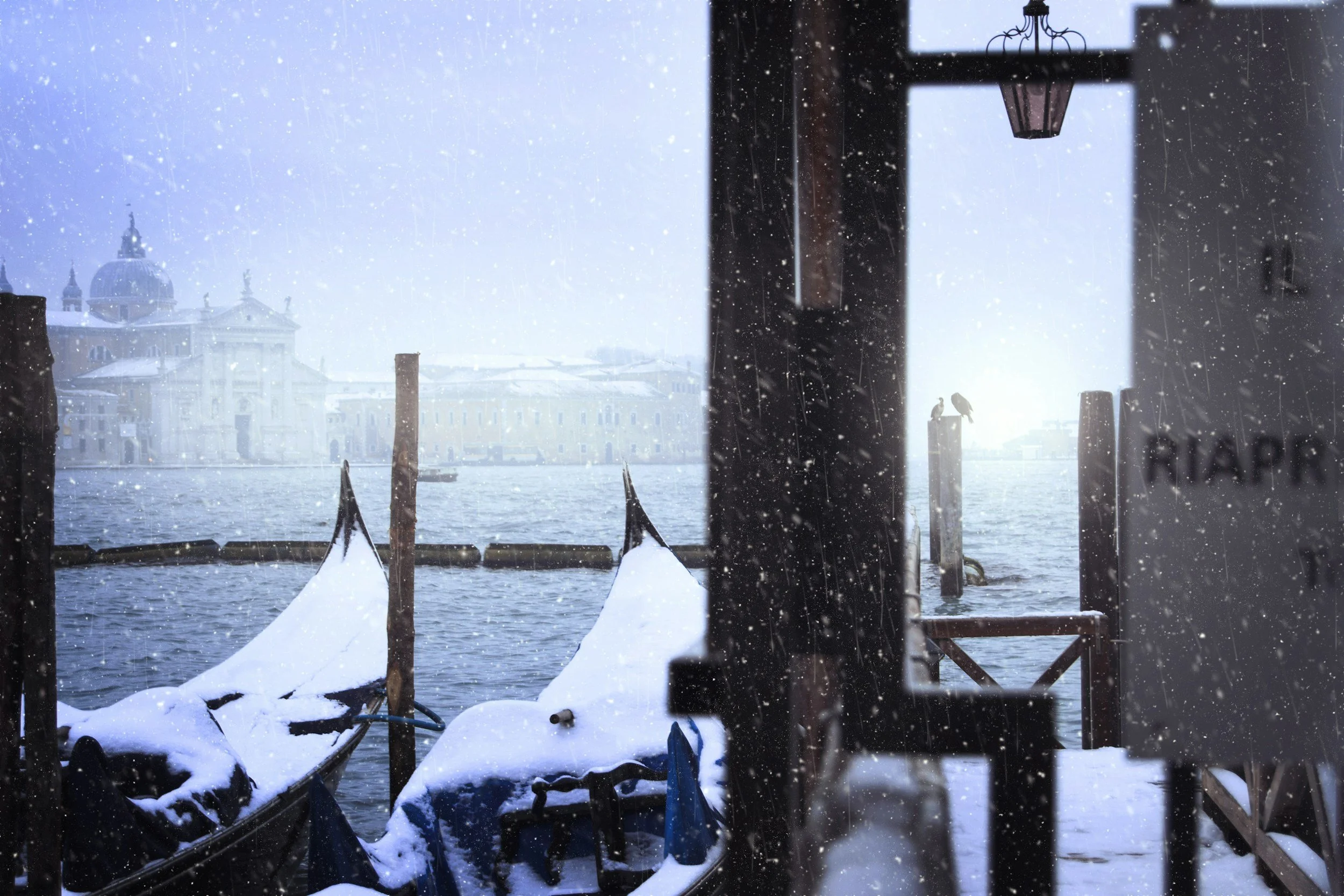
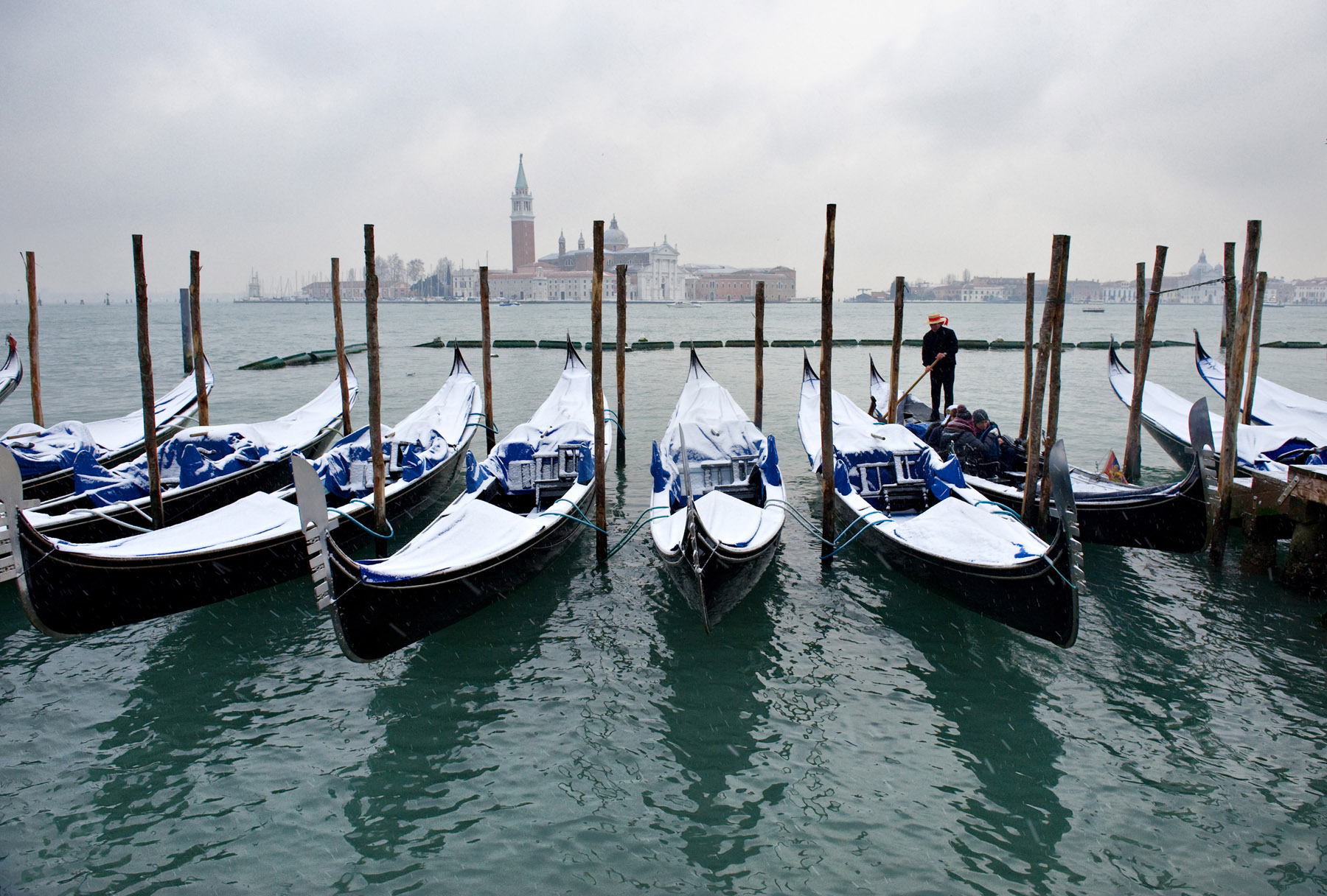
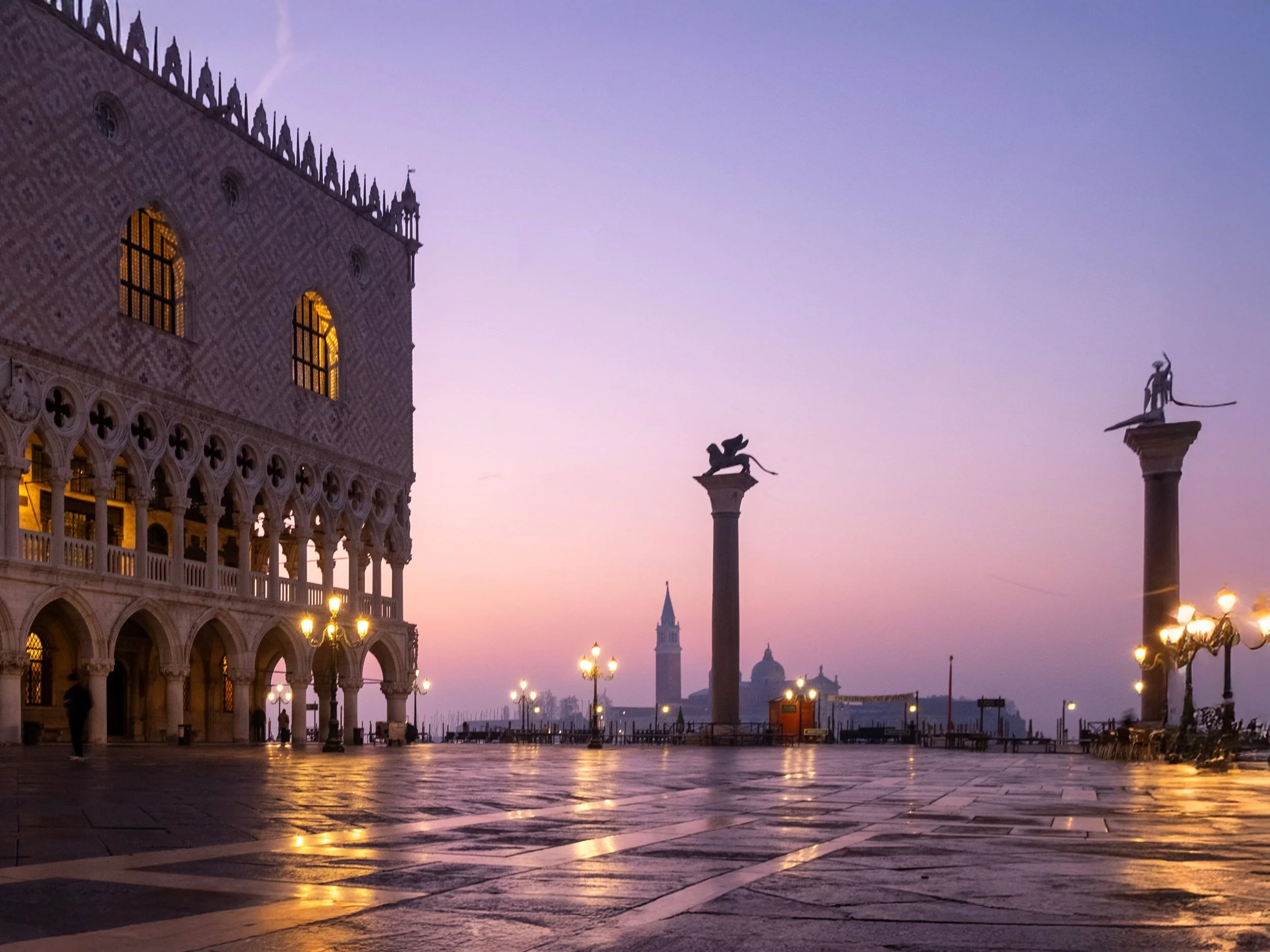
Winter is widely considered by professional photographers to be one of the best seasons for photographing Venice, thanks to its soft light, atmosphere and slower rhythm.
This is the season when my workshops become less about rushing between postcard views and more about slowing down, reading the light and letting moments unfold. Winter rewards patience. It rewards attention. And it offers scenes you simply do not get in any other month of the year.
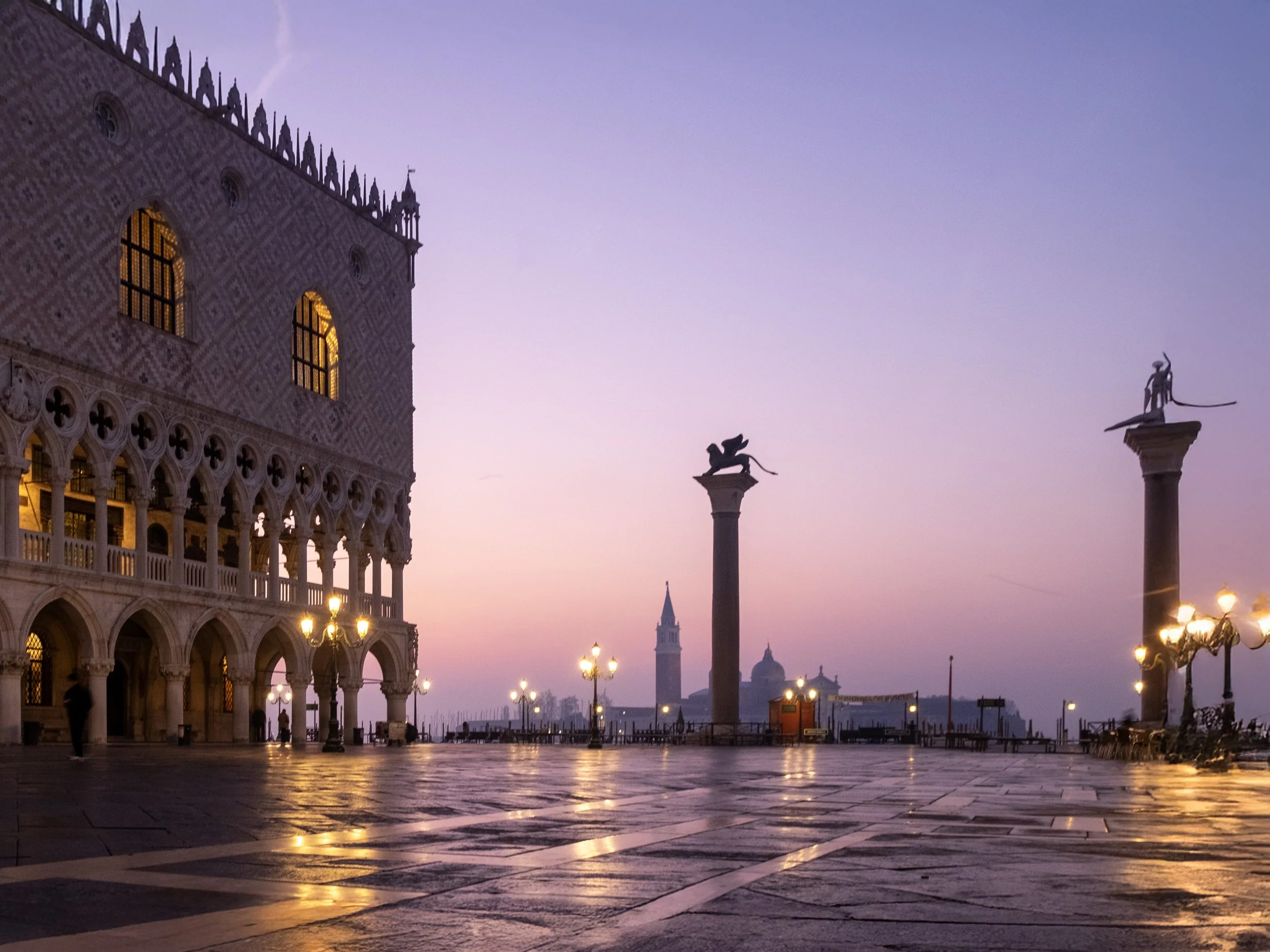
What makes winter so special for photography
The light is gentle all day
In summer, you chase sunrise and sunset because everything in between is harsh. In winter, the whole day behaves like golden hour. Shadows are softer, reflections are deeper and even a simple pavement becomes interesting.
Atmosphere, fog and mood
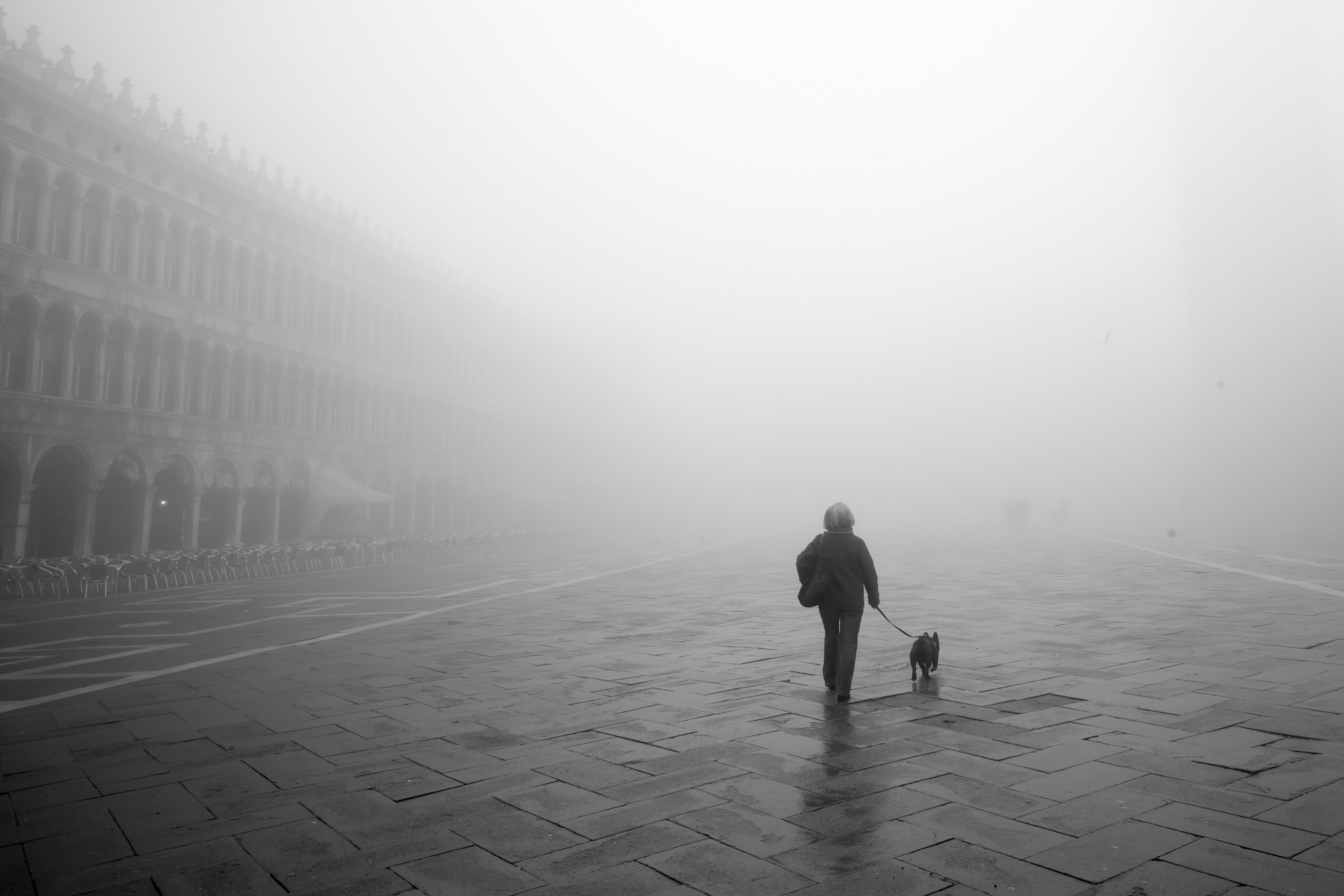
Nothing transforms Venice quite like winter fog. Bridges half hidden, silhouettes drifting through the mist, boats appearing and disappearing like characters in a dream. If you love storytelling, this is paradise.
A calmer city
Fewer visitors mean more breathing space. You can shoot slower, explore small alleys and work scenes without pressure. Your photography becomes more intentional.
What we focus on during winter workshops
Twilight and sunrise sessions
Colours shift gently, long reflections appear and the lagoon looks almost metallic. This is when Venice feels closest to a dream.
Burano in winter
The colours stay bright, but the pace slows right down. Laundry, reflections, small gestures, quiet canals. A gift for anyone who enjoys detail work.
Street and storytelling
Winter brings gestures, umbrellas, silhouettes, locals wrapped in scarves, fishermen working early. This is where you develop anticipation, rhythm and patience.
Long exposure and night work
Shorter days mean more blue hour and more chances to play with movement. Light trails, water texture, empty squares, silent canals.
What photographers learn when working in Venice during winter
Winter conditions naturally slow the photographic process. Changing light, fog and quieter streets encourage a more observational approach, helping photographers refine timing, composition and visual storytelling rather than simply collecting locations.
Working in these conditions develops patience, anticipation and an understanding of how atmosphere influences a photograph, skills that remain valuable long after leaving the city.
Winter dates still available
Many photographers choose the winter months when planning a private Venice photography workshop because of the softer light, quieter atmosphere and extended shooting opportunities throughout the day.
You can see availability and book directly here:
https://www.msecchi.com/