Why Istria Might Be the Most Underrated Region in Europe
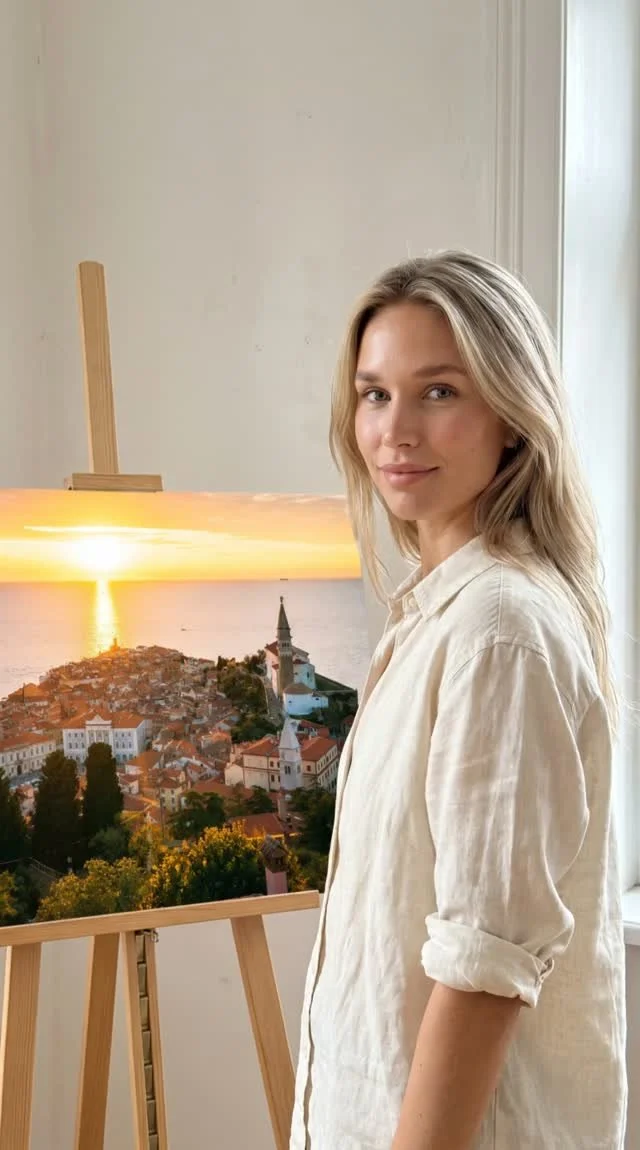
/If you ask most people about Croatia, they will mention Dubrovnik. Or perhaps Split. Few will mention Istria.
That is precisely why it still works.
Istria sits quietly in the north-west corner of Croatia, a peninsula shaped by Venetian influence, Austro-Hungarian order, Italian elegance and Balkan resilience. It feels Mediterranean, but without the theatre. It feels Italian, but without the crowds. It feels rural, but never provincial.
It is a region of light, stone and silence. And once you understand it, it is very hard to leave.
The Coastal Poetry of Rovinj
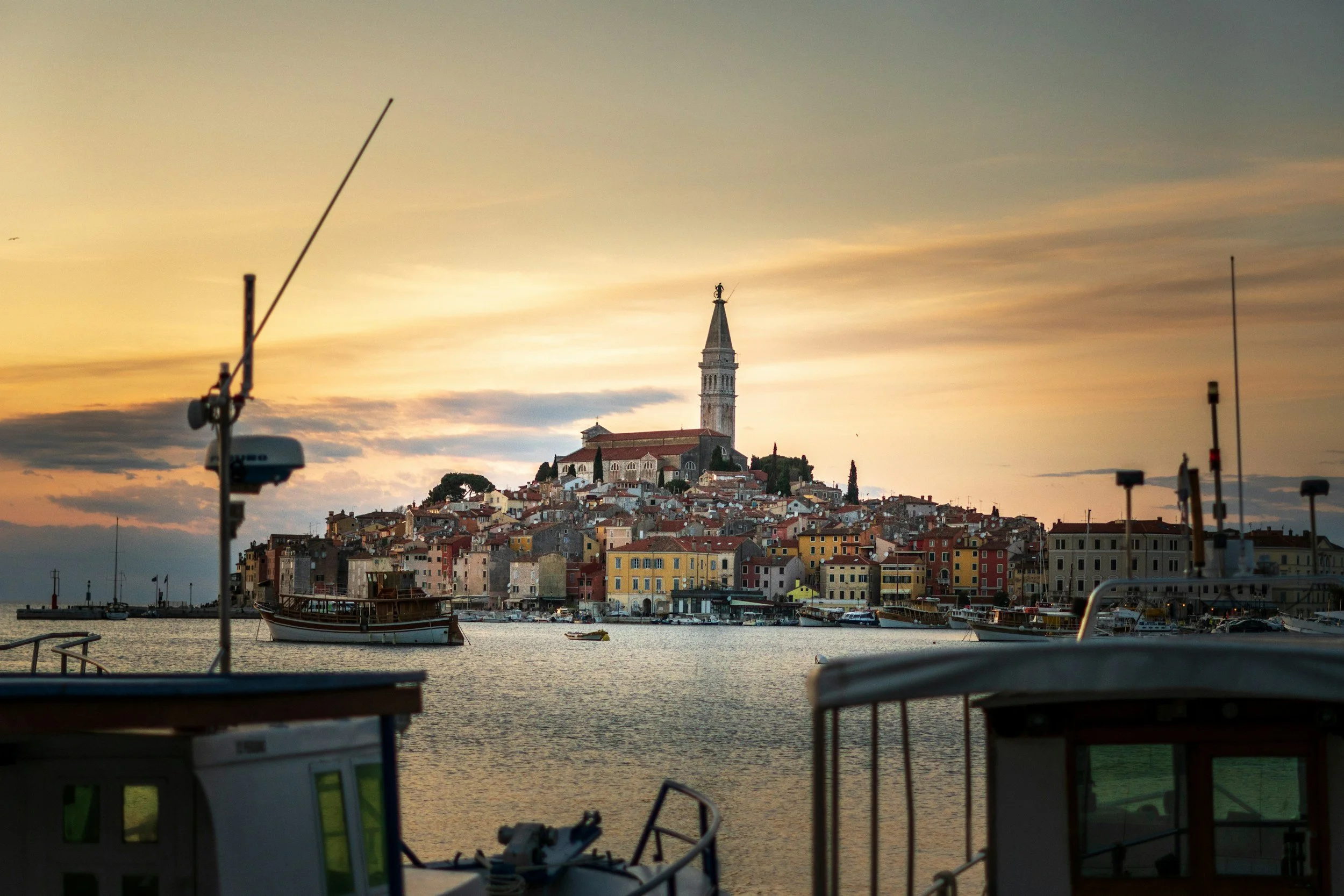
Rovinj is often the first place visitors see. And yes, it is beautiful. Pastel façades climbing towards the church of St Euphemia. Fishing boats resting in the harbour. Narrow alleys polished by centuries of footsteps.
But Rovinj only reveals itself properly at the edges of the day.
At sunrise, when the harbour is still and the fishermen are already working. At dusk, when the stone absorbs warmth and gives it back slowly. The town is not dramatic. It is textured. It rewards patience more than speed.
If you are interested in photography, this is where you begin to understand that Istria is not about monuments. It is about atmosphere.
Hill Towns That Refuse to Perform
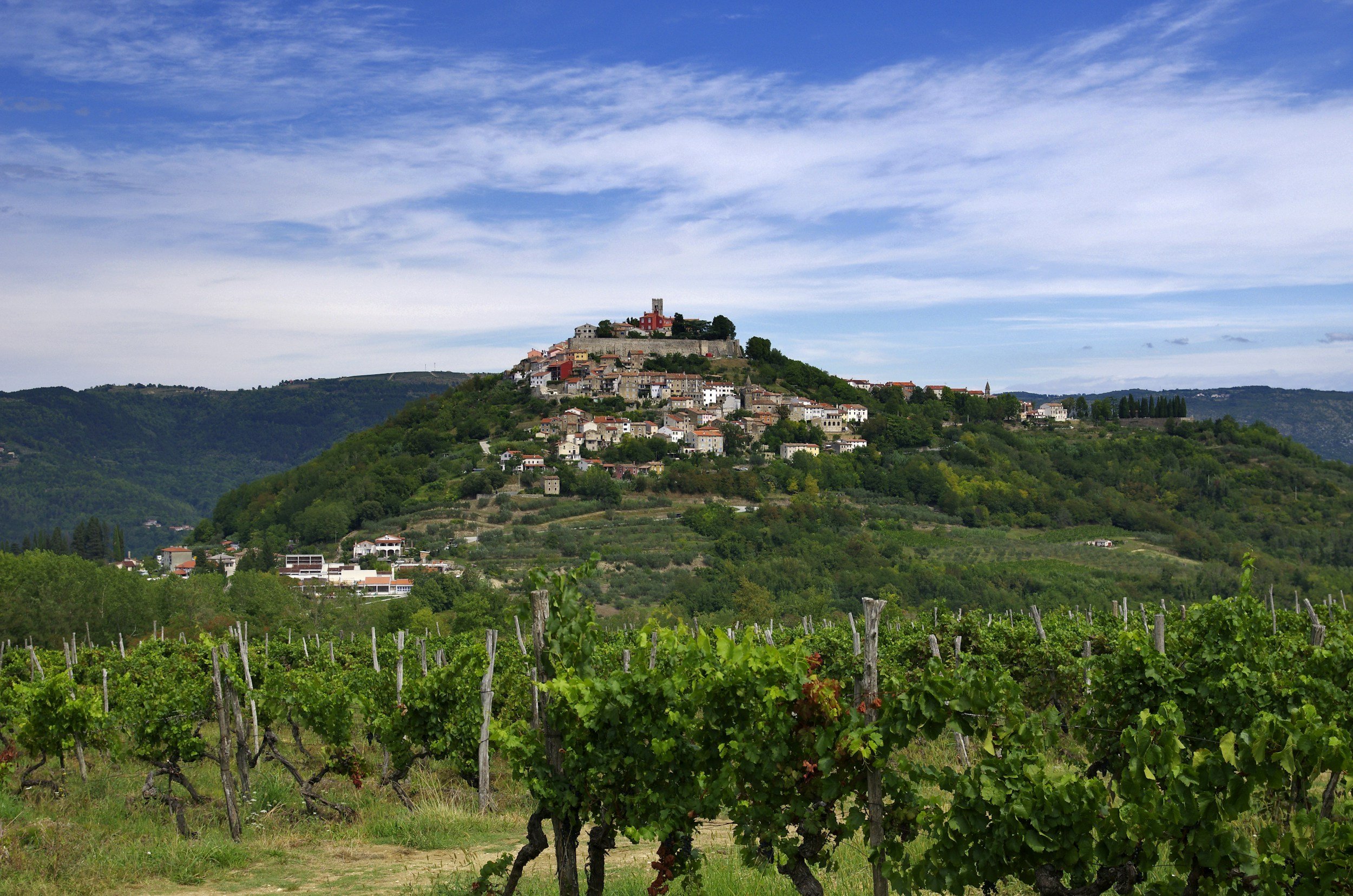
Drive inland and the landscape shifts. Vineyards. Olive groves. Rolling hills that feel closer to Tuscany than to the Adriatic coast.
Motovun sits high above the Mirna valley, often wrapped in morning mist. It looks cinematic, but in reality it is quiet. You walk its walls and hear nothing but wind.
Grožnjan is smaller, more intimate. Artists’ studios, stone staircases, corners where light slices across textured walls. It is a town that does not shout for attention.
Pićan is even more restrained. Fewer visitors. A stronger sense of daily life. This is where you begin to see Istria as lived space, not curated scenery.
These hill towns are not designed to impress you instantly. They are designed to be walked slowly.
Sea, Cliffs and Quiet Drama
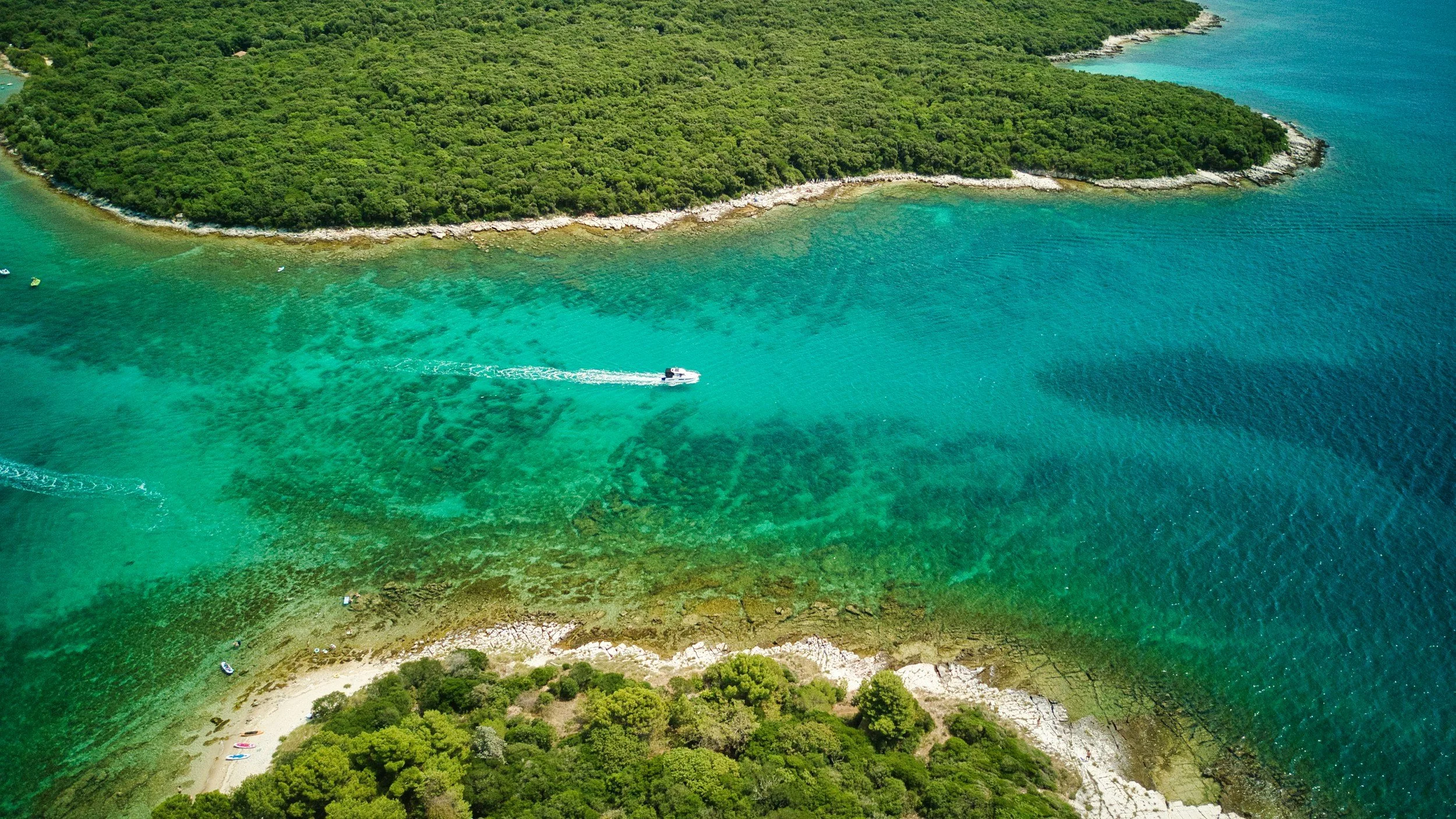
The coast changes again near the Lim Fjord, a narrow inlet cutting deep into the land. The water turns darker. The slopes grow steeper. It feels almost Nordic in mood.
Further south, Cape Kamenjak offers raw limestone cliffs and open horizon. No grand promenades. No polished resorts. Just wind, sea and rock.
And then there is Pula, home to one of the best-preserved Roman amphitheatres in the world. Not fenced off as a relic, but integrated into daily life. You can photograph antiquity here without feeling staged.
What Makes Istria Different
Istria is not a checklist destination.
It is not about ticking off landmarks in a hurry. It is about understanding how Venetian architecture behaves under Croatian light. How olive trees cast shadows in late afternoon. How mist rises from vineyards in October. How fishing nets dry in harbour air.
The food culture reflects the same restraint. Truffles in season. Olive oil that actually tastes of grass and almond. Malvasia wines that suit long conversations more than quick toasts.
You come to Istria to recalibrate.
A Slower Way to Explore
Over the years, I have returned to Istria repeatedly, not because it is famous, but because it changes with light and season. The same street in Rovinj looks entirely different in May compared to November. Motovun in summer heat is not Motovun in autumn fog.
For those who want to go deeper, I occasionally work with small private groups or individuals here, focusing on light, timing and atmosphere rather than sightseeing. It is less about covering ground and more about understanding it. If that resonates, you can explore the Istria Photography Workshop section of the site.
But even if you travel independently, my advice is simple.
Stay longer than you planned. Wake earlier than you want to. Walk without a destination. Let the place dictate the rhythm.
Istria does not perform on command. It reveals itself gradually.
And that is precisely why it stays with you.
PS If you enjoy slower, light-driven travel reflections, I write regularly about photography and place on Substack.