Christmas in Zagreb - Croatia

Advent in Zagreb 

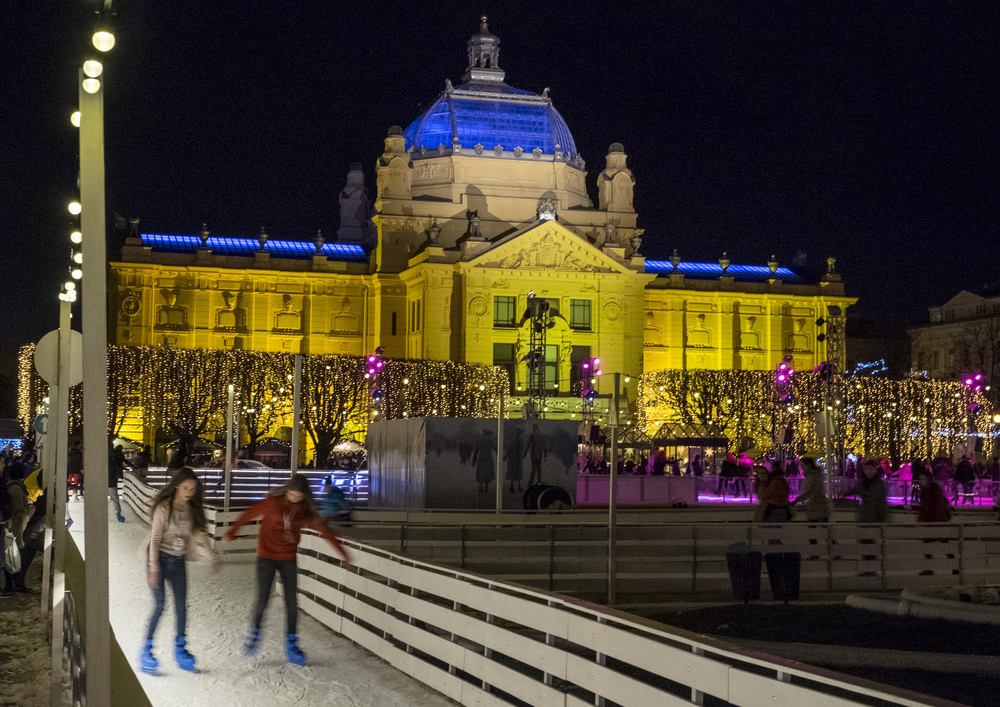
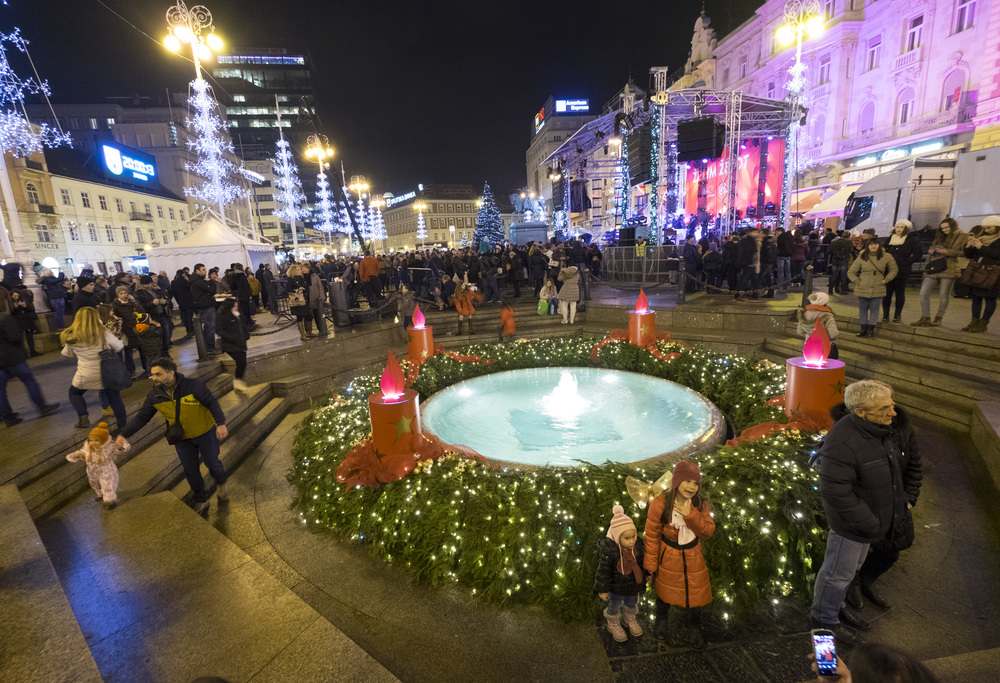
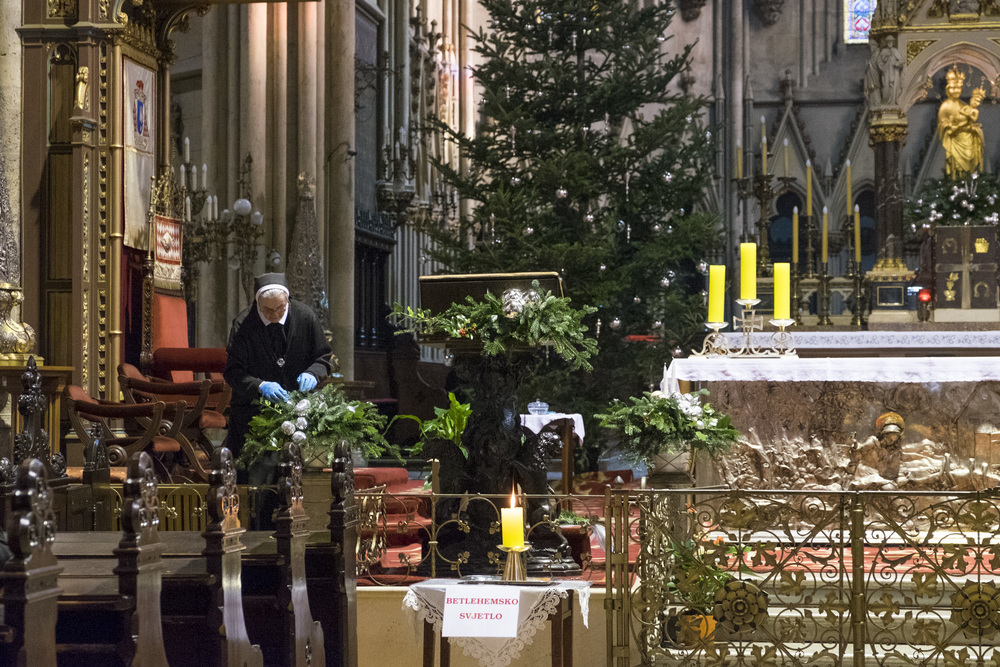
Zagreb, the Croatian capital, is beautiful year-round, but during the Advent it looks its best. Christmas trees, lights, decorations, delicious foods and beverages, along with joyful holiday goodness made Zagreb one of the best Christmas destinations in 2015 and due to the festive and welcoming atmosphere, it was also named Best Christmas Market 2015. Along with the festive, holiday mood, there are many activities that bring the Christmas spirit to Zagreb.

Advent on the Main Square

Surprise and suspense fill the air as the Advent calendar comes to life in Zagreb's main square. Visitors enjoy the holiday spirit and take part in festive events including readings, concerts, lectures, workshops, performances, exhibitions, and light installations.

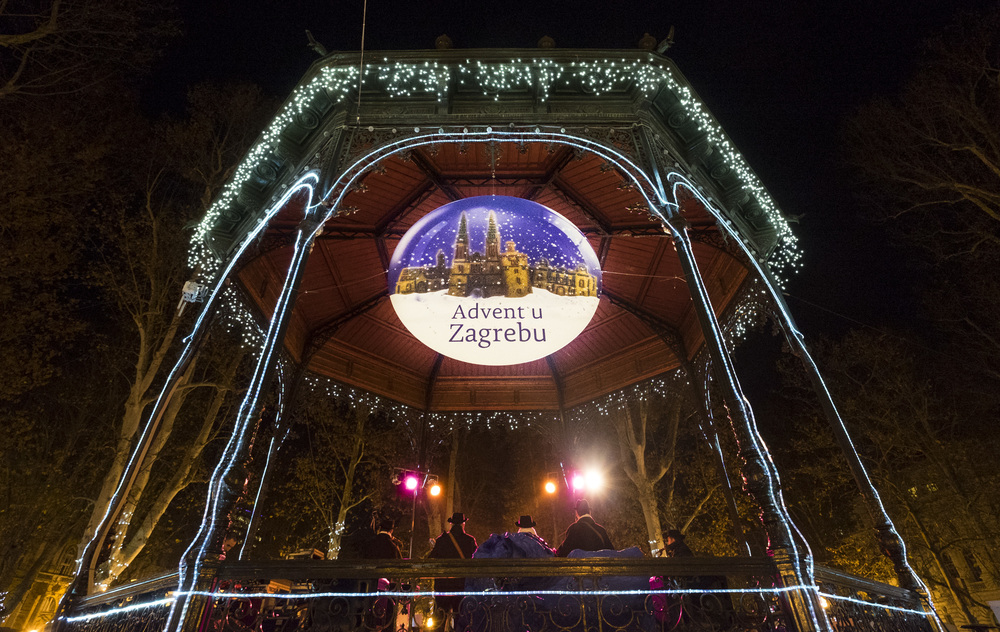
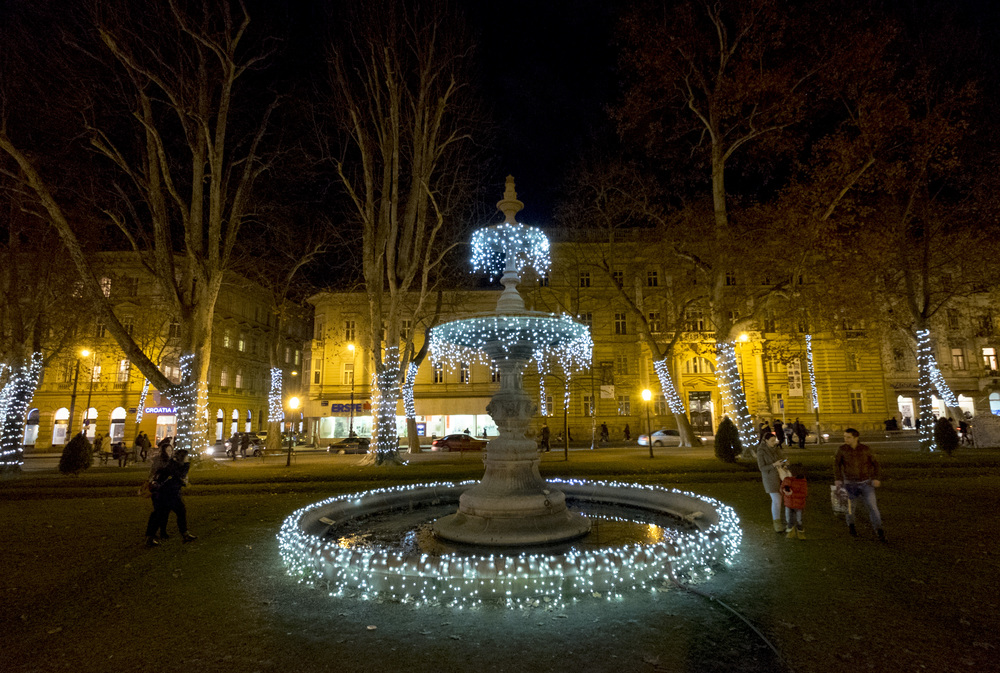
Advent on Zrinjevac

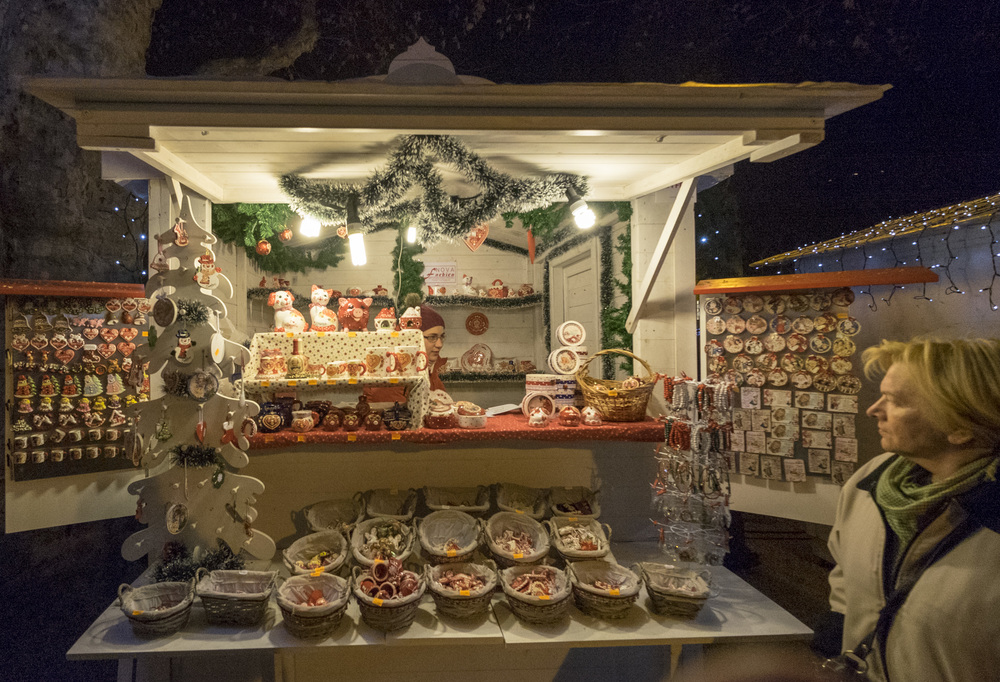
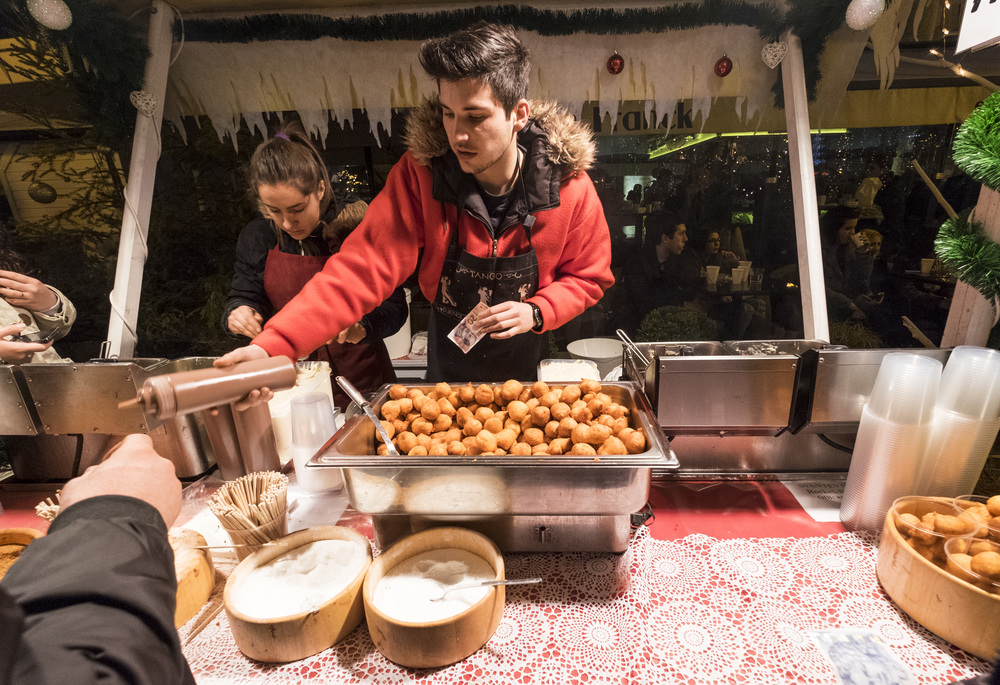
The city's old music pavilion welcomes visitors to dance, sing, eat, shop, and enjoy their time amongst the cheerful decorations and jovial atmosphere. Talented artists make their beautiful, unique ornaments and souvenirs available. Hungry visitor can choose from many delicious Zagreb specialties, including fried apples, cabbage clothes, baked štrukle, as well as mulled wine and hot chocolate. Music fills the air, too. Waltzes, Christmas classics, and other musical treats are enjoyed by all.
 

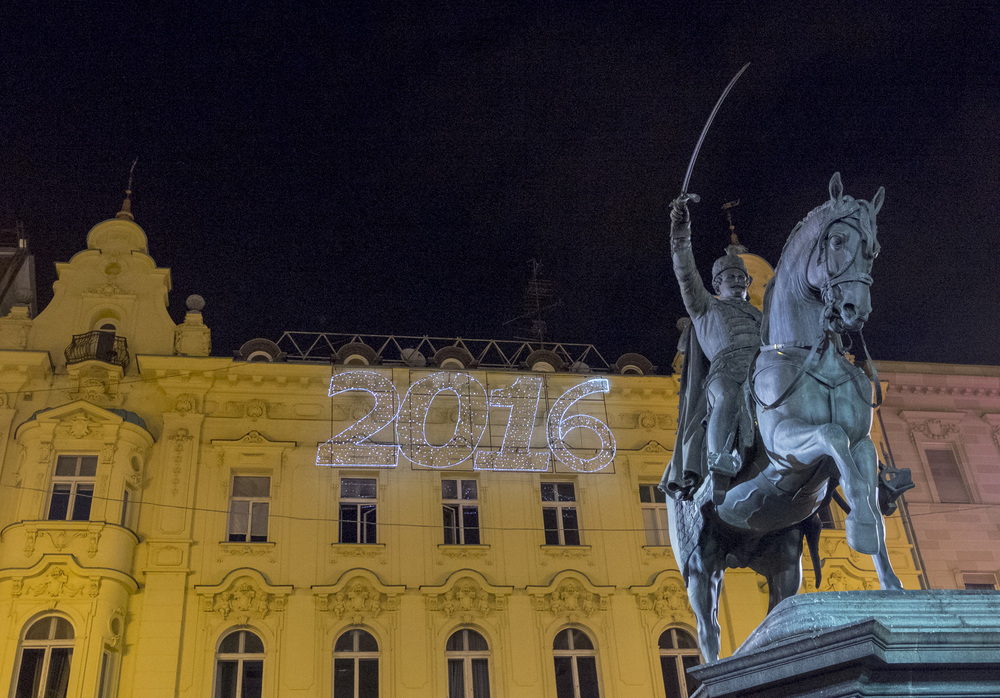
Ban Josip Jelačić Square

Situated at the city's main square, the open air stage hosts many unique festivities, including concerts, children's performances, and cultural and art events.

Christmas Fair

Surrounding Jelačić Square, Zagreb's artists and craftsmen offer traditional Croatian products. Shoppers are able to choose from colorful decorations, gingerbread hearts, cookies, jewelry, souvenirs, and a plethora of seasonal gifts.

Ice Park

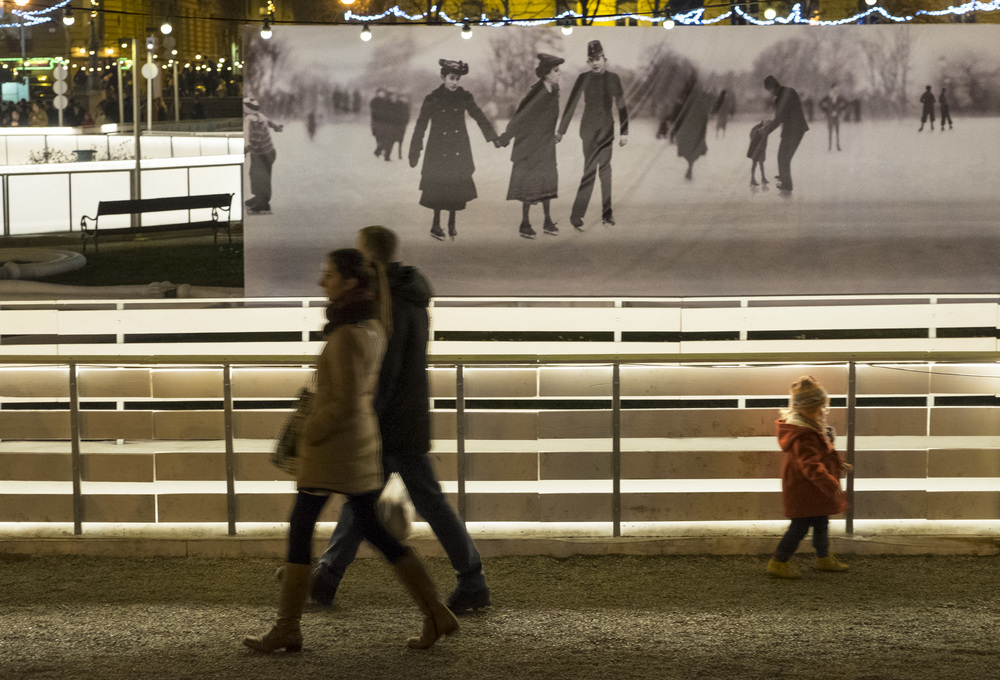
Just like a Christmas fairy tale, the ice skating rink is home to skating, delicious foods and beverages, and joyful music events.

The Advent in Zagreb is a special event that is not to be missed. Join in as visitors stroll the city streets and sing, dance, eat, shop, and enjoy the festive entertainment in Croatia's capital city.

Not to be Missed

  • A glass of Medica will put you in a good mood straight away.  Its Rakija made out of honey and spiced with propolis. Medica is a devil in disguise. It's sweet, flows smoothly, and once you get going you don’t really stop until it’s too late. It has a certain jet lag effect as it can kick you long after you had your last one. 
  • Fritule  are aromatic bite-sized dough balls, flavoured with lemon and orange zest, grape brandy  and/or dark rum, and sprinkled with icing sugar or covered with chocolate. Like almost any home will have its bowl, there is probably no housewife, especially among older women, that doesn't have her own recipe, the best in the world!


This post has not been sponsored and I did not get media samples or freebies. For more information, check out my full disclaimer policy.

A visit to the city of Zagreb

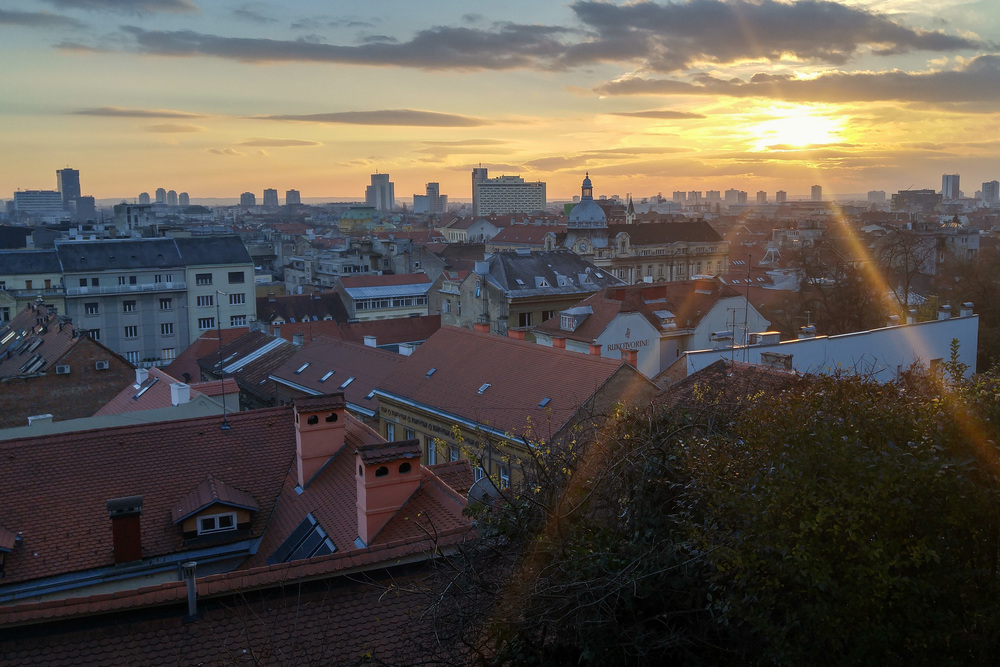
A trip to Zagreb can be life-changing. It provides one of the very best opportunities to experience the Croatian lifestyle. This city offers a wide range of indoor and outdoor things to do. You could spend your afternoon walking along the beautiful cobblestones of St. Marks or spend some time at an apothecary shop that dates to 1355. Yet much of the city is quite modernized, offering all of the finer things that people enjoy.

What You'll Enjoy in Zagreb

The architecture and the rich history of Zagreb are what dominate the landscape. It is these features that many people come to see especially the 1,000-year old Gornji grad where the Presidential Palace is and the post-World War II Novi Zagreb area which is a much more modern space. Aside from the architecture, you'll find this city has more museums per square foot that virtually any other city. For those that love history, it is a treasure trove of opportunities.

Key sights to see in Zagreb include:

  • The Zagreb Cathedral with its twin neo-Gothic spires dominate the square. You'll find the tomb of Cardinal Stepinac here.

  • The Dolac Market is the largest and most colorful of all in the area. Enjoy some of the local food here.

  • Kamenita vrata or the Stone Gate in upper town is a beautiful 13th century gate with a significant amount of history dating to 1731.

  • The Funicular railway is below the Lotscak Tower. It takes to 1888 and is the oldest form of public transport in the city, which at the time was a horse-drawn tram. You can take a ride along the railway and see much of the city up close.

  • Strossmayer Gallery of Old Masters and the Museum of Naive Art is an ideal choice for those who want a dazzling display of artifacts.

When visiting Zagreb, you'll find the area is full of culture. Step back two centuries to the many towers and buildings here or enjoy both the traditional and more contemporary meals prepared here at local cafes.

Take the path less traveled by tourists by visiting Maksimir Park and Lake Jarun. You can also visit the nearby towns of Varazdin and Samobor. With numerous restaurants, local coffee shops, various entertainment venues, and dozens of stalls and shops, this is an ideal place to visit if you want a bit of history on the city as well as the region. It virtually comes to life with every cobblestone step you take.

Where to Stay

I stayed at Esplanade Hotel the most luxurious hotel of Zagreb and super Central, see my next post.

There are a lot of rental apartments that simply look fabulous and are really great value for money

Where to Eat

If you are passionate about Strukly...then there is only one place ...La Struk. Superb strukly are freshly served all day. If you are going in winter the place is quite small.....but they are really worth the wait!

  • La Štruk

  • Skalinska 5, Zagreb 10000, Croatia

  • Tel 38514837701

This post has been partially sponsored I did get media rates during my stay at Esplanade Hotel . For more information, check out my full disclaimer policy.

Accommodation in Zagreb

Booking.com

Guides and Book about Zagreb

Metelkova City in Ljubljana

Ljubljana, the capital of Slovenia, is a quirky city. This is just one of the many reasons why I like it so much and I love spending time here. Ljubljana combines the European riverside café culture with a strange, edgy, grungy vibe. It is calm and pretty, luxurious, friendly and clean but for sure it is not a sleepy city as for example.....cannot say more.......:-)

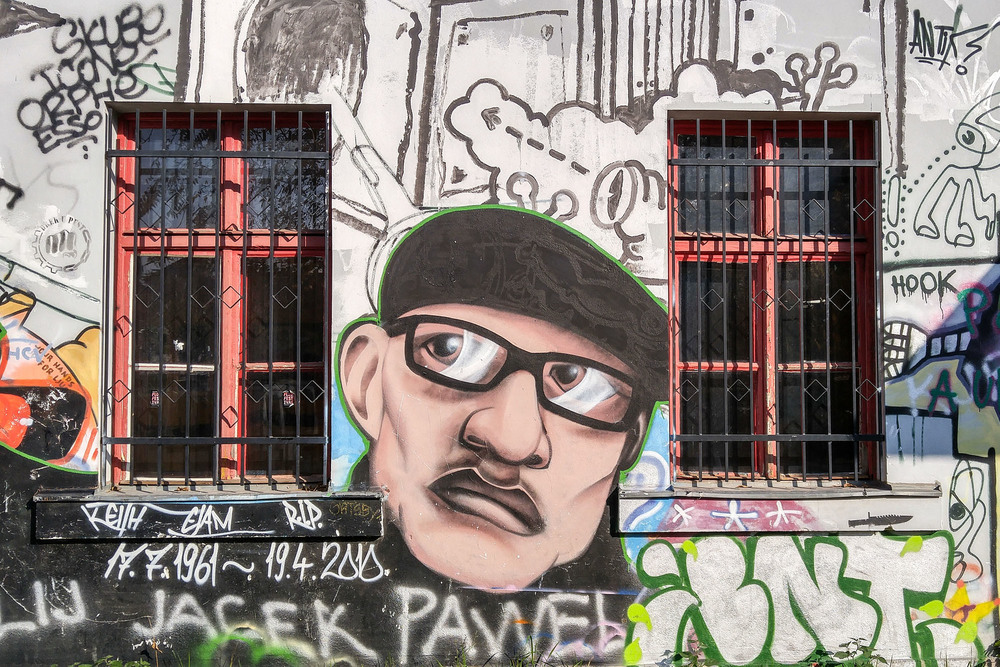
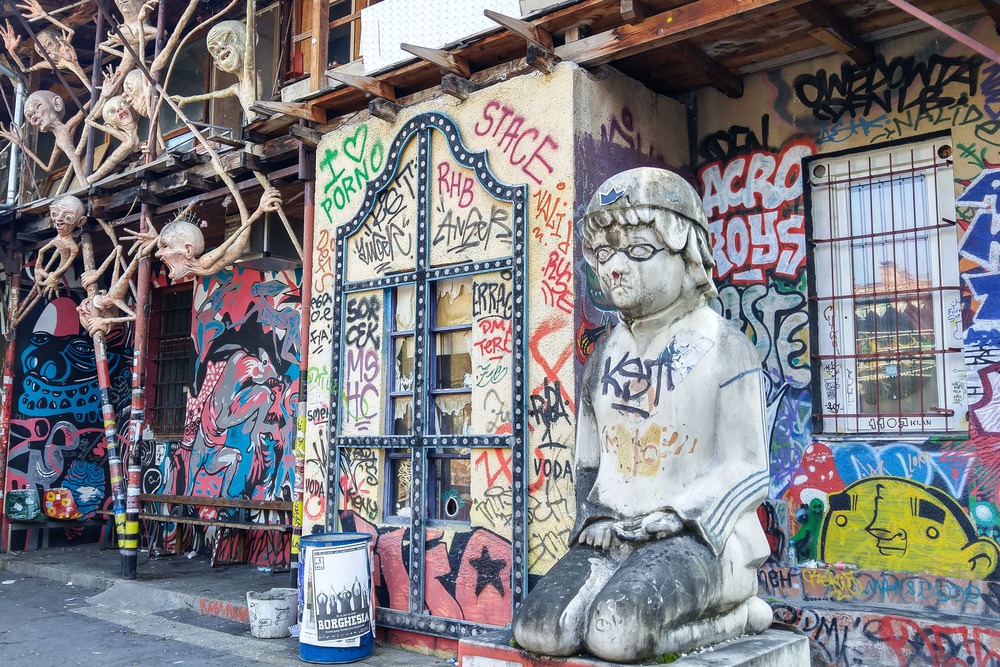
Metelkova City the full name in Slovene I think is  Avtonomni kulturni center Metelkova Mesto, is an autonomous social centre in the centre of Ljubljana, Slovenia. It is located on the site of former military barracks, the Slovenian headquarters of the Yugoslav National Army, and was squatted September 1993.

The site consists of seven buildings and is 12,500 m² in area. The squat is named after nearby Metelko Street (Slovene: Metelkova ulica), which is named after the 19th-century Slovenian Roman Catholic priest, philologist, and unsuccessful language reformer Fran Metelko. Originally they used to siphon the water illegally but today Metelkova is legally connected to the city's water system and power grid. Today Metelkova city is made up of bars. clubs, art galleries, design studios and related activities. It hosts a range of alternative music gigs including punk, metal, techno, etc.

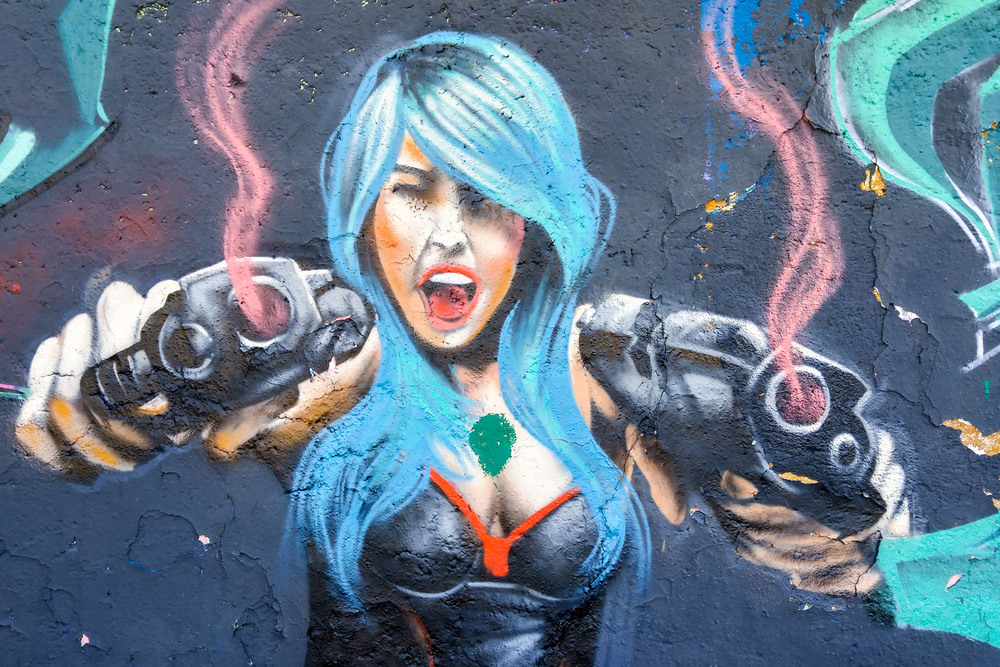
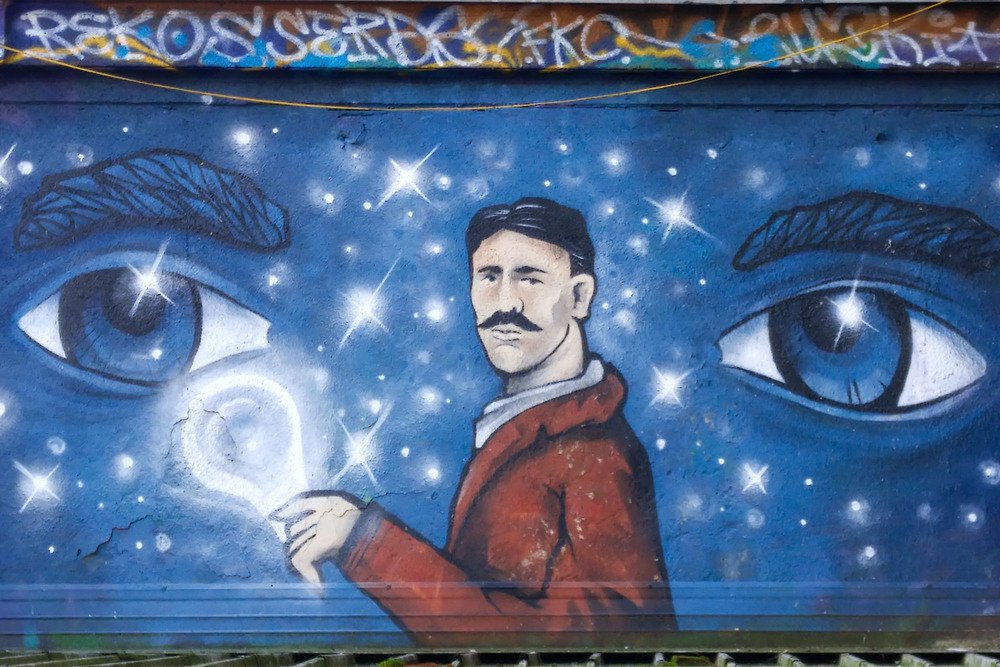
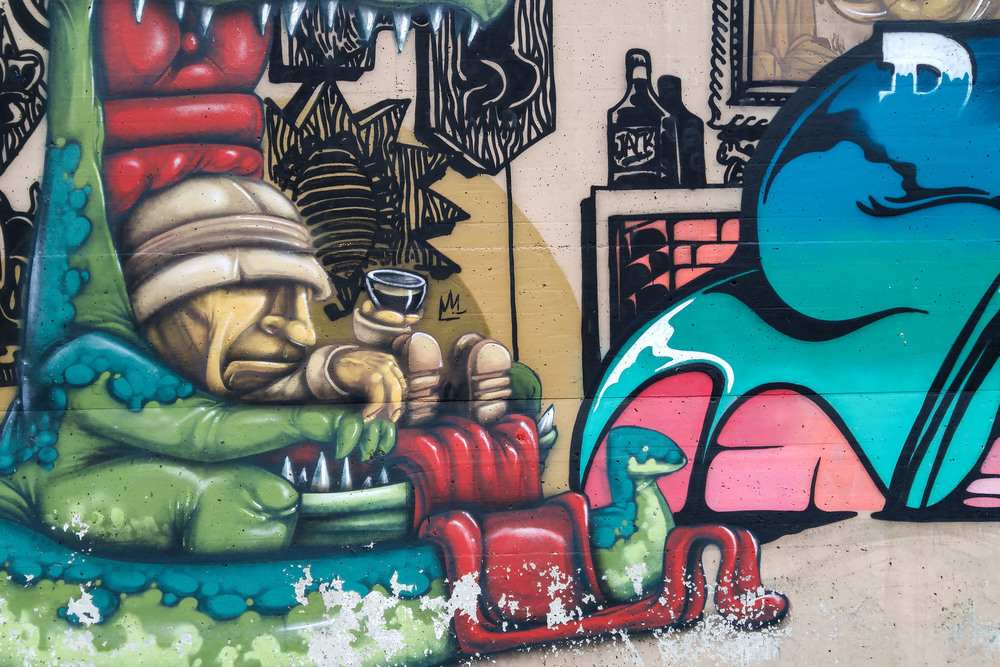
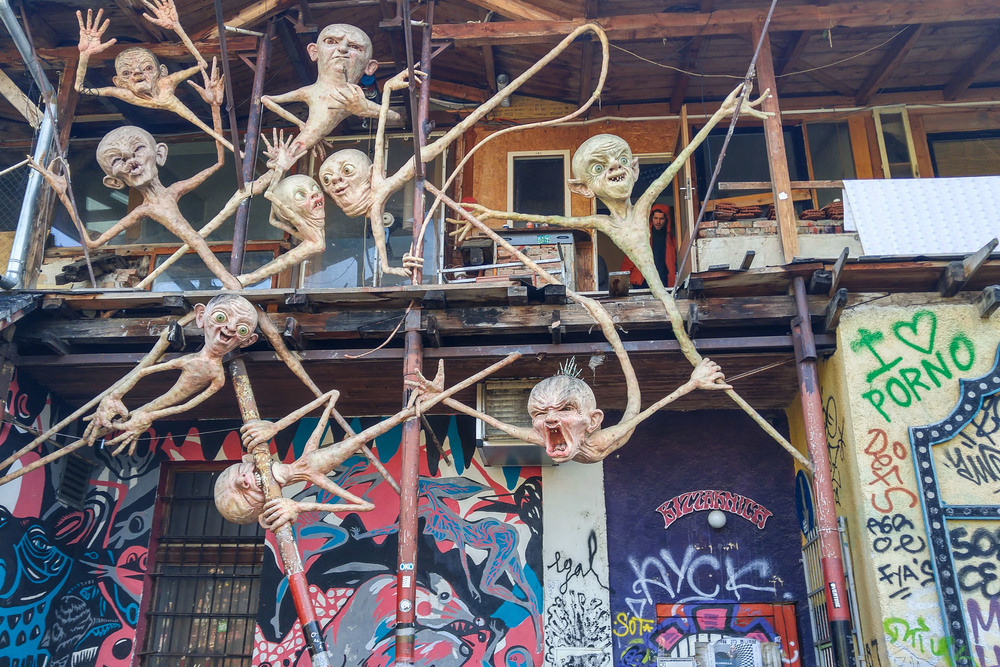
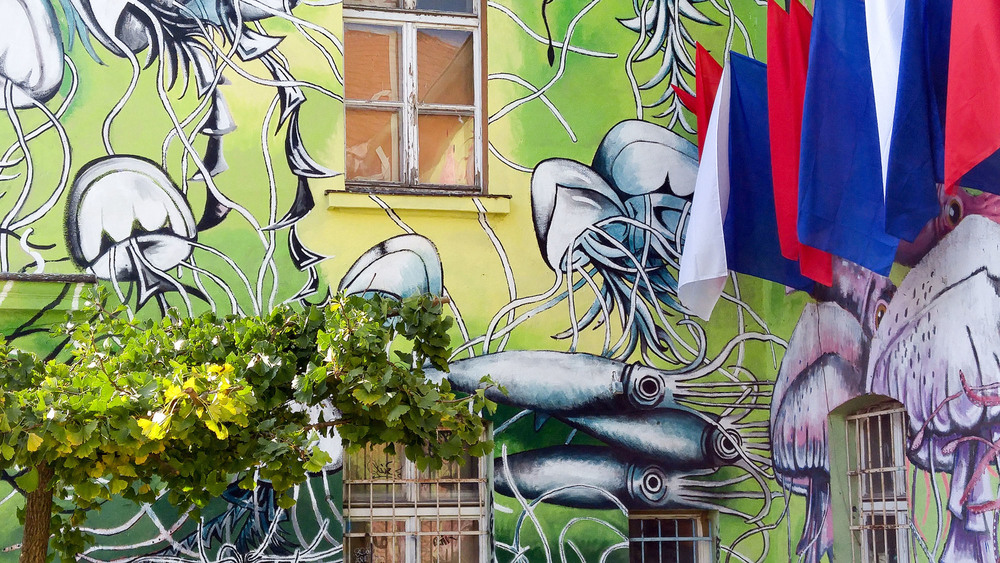
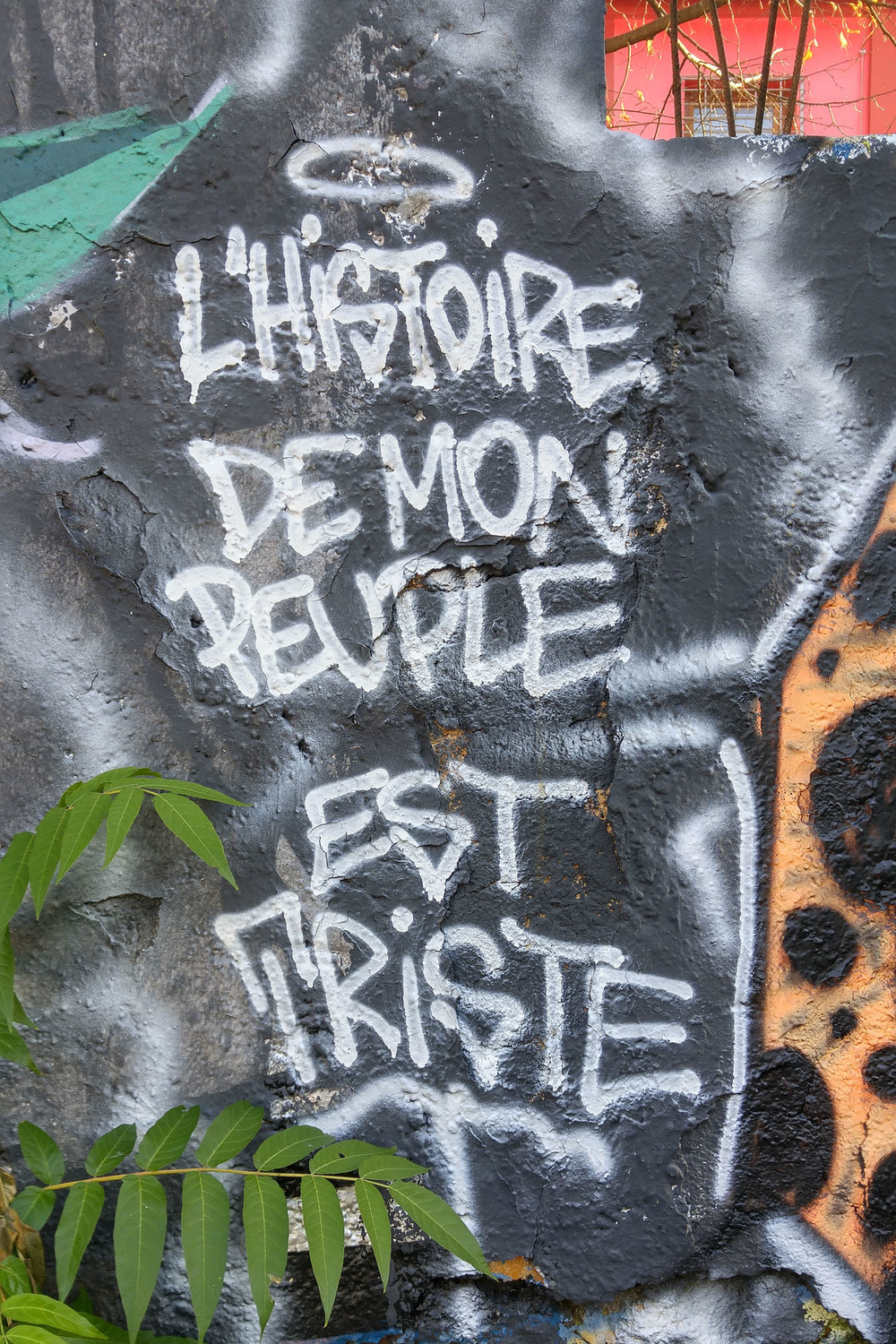
One thing you’ll notice about Ljubljana is that almost anywhere you walk outside the old town area, you’ll see lots of graffiti. Nice ones, about everything and anything! But head to Metelkova City and it will seem like you’ve arrived at Graffiti Central. If you like graffiti, weird art, and quirky sculptures then this is the place to head to. It’s only a few minute’s walk from the train station

Metelkova Mesto


All opinions are my own. This post has not been sponsored and I did not get media samples or freebies. For more information, check out my full disclaimer policy.

Gasthof Prissianerhof in Tisens

During a short break in the area I went a couple of times to Prissianerhof, I was with my wife once and with relatives a second time

Not only the ambience was very appealing also the price performance ratio was excellent!

The Restaurant, it is also a Pension so has room, has a small nice car park anyway parking is not a problem in Pressiano.

The menu and wine list is well chosen and clearly for everyone.

With my wife we had a fantastic Kaiserschmarrn and a Ravioli with Finferli we also had a nice Strudel.

On the second day in my circle of relatives there were no complains. All were satisfied to the utmost with the food.

Especially noteworthy was the service: friendly, attentive, courteous and unobtrusive, and very professional.

In a next stay in Merano I will definitely visit again restaurant Prissianerhof!

This restaurant is especially recommended.

Many thanks for the pleasant hours :-)

Gasthof Prissianerhof

Via principale, 76 | 39010 Tisens

Tel. +39 0473 920828 | Fax +39 0473 927319

www.prissianerhof.com | info@prissianerhof.com

This post has not been sponsored and I did not get media samples or freebies. For more information, check out my full disclaimer policy.

Falger Restaurant in Voellen (South Tyrol)

The Falger is a restaurant situated in the small village of Vollen (Foiana) in the heart of the South Tyrol region, it is very close to Lana and in between Merano and Bolzano

As you enter the place you are welcomed by a really setting, a delightful marriage of antique cut bricks and elegant modernity. Sitting in any table you have a wonderful view of the dining room. They also have a very nice outdoor terrace with grapes,

The menu offers a wide variety of mouth-watering dishes. I had the Ravioli with Mushrooms while my wife tried the Kaiserschmarrn. They were both exquisite. It all was followed by a delicious strudel served with a scoop of vanilla ice cream for dessert. 

All the products were fresh and the dishes had the warmth of home-made food. The chefs take great care in selecting the best quality ingredients. 

The service did accompany the high quality of the cooking. Waitresses were friendly, helpful and very attentive. One of the owners was always around willing to exchange some kind words with all her clients.

The price is very good value for money I had a pleasant dining experience with food of the most exquisite flavours. For this reason we did went back and I highly recommend going to the Falger restaurant.

ALBERGO RISTORANTE FALGER
Famiglia Tribus - Mayenburgstr. 7
39011 Foiana pr. Lana - Alto Adige
Tel.: +39 0473 568010
Fax: +39 0473 557263

info@falger.net

http://www.falger.net/

This post has not been sponsored and I did not get media samples or freebies. For more information, check out my full disclaimer policy.

Ona Bag Prince Street

I believe you can never have an excess of camera bags  and I trust that everybody needs to have an OnaBags. The quality is unparalleled and the look is at the same time advanced and fantastic. While pricey, these sacks will endure forever. 

The trendy and cool outline of the new ONA Prince Street camera bag bounce out at you promptly. Upon closer examination you understand it is not just another pretty bag, it is as well an exceptionally tough, down to earth messenger bag for a reduced DSLR or full mirrorless camera pack. It comes in two styles - waxed canvas with full-grained cowhide trim, or full calfskin. In both styles the fine materials and workmanship of the bag is truly evident. 

The general configuration is genuinely essential with three dividers (more accessible as extras), two substantial extending front pockets and a back laptop or tablet space. Two front calfskin straps shroud the real metal catches that are effortlessly secured or un-affixed with one hand. The straps are movable to take into account extension. 


At $269 for the waxed-canvas model and $389  and in my view the the cost is completely justified by the workmanship and materials notwithstanding the in cool great looks that is going to improve as the bag age.

On the off chance that you are searching for a strong, fundamental travel bag with a great deal of style yet very few superfluous fancy odds and ends, the ONA Prince Street is something to consider for either a little DSLR unit or mirrorless camera framework. 

I use mine easily with the two leicas and 2 extra lenses and works great!


Weight: 2.6 pounds 

Outside measurements: 12.5"L X 10"H X 4.5"D 

Inside measurements: 12"L X 9"H X 4"D

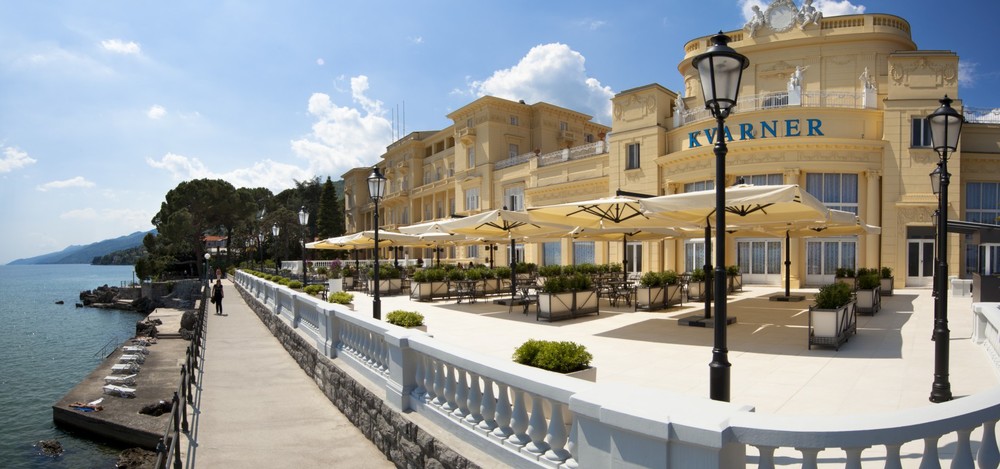
Hotel Kvarner Opatija

The first hotel to be built along the Adriatic Coast in 1884, Hotel Kvarner Opatija is a historic property often seen as the standard for elegance and sophistication of hotels in Opatija. 

Some of the more memorable visions of Opatija are on the grounds of Hotel Kvarner. The Crystal Hall is an awesome architectural sight and the largest of its kind in Opatija. It is an ideal setting for personal events like weddings or business summits. The newly-renovated terrace, situated above the Lungomare promenade, is the perfect spot to hold your outdoor event with its offer of magnificent sea views. 
Villa Amalia is in Kvarner's immediate vicinity and villa guests can use all the amenities of the historic hotel, including the outdoor swimming pool and private beach. 

Close to the city's most famous landmarks, Hotel Kvarner offers excellent accommodation on the Opatija Riviera. 
Built in neoclassicism style, the architecture of Hotel Kvarner really stands out. The façade has been restored to its original masterful appearance. Large windows allow for wondrous sea views. The highly-detailed interior recalls style of the past.  

Hotel Kvarner breathes history and class.

It is for me one of the best hotel I have ever experienced! The location is just wonderful, right ON the coast with its own "beach". 
The service was excellent and so were the rooms. Air conditioning work very well although it was well above 30 degrees outside. We had a lovely view over the sea from our room, and our own huge balcony. Loved it!
Every night there was some kind of music on the large patio next to the restaurant, lovely to have dinner and listen to great music meanwhile!
Th the dinner buffet as well as the breakfast is great!

  • Ulica Pava Tomašića 2, 51410 Opatija
  • +385 51 710 444


This post has not been sponsored. For more information, check out my full disclaimer policy.
Plansarija Logarski Kot


The Plansarija Logarski Kot is located in the lovely Logarska Dolina Valley, we were staying in a nearby hotel and went twice for lunch.
Food is fresh, genuine and well prepared and served . Staff is attentive
Has a nice garden with tables and a superb view of the Mountains
They have a very nice terrace as well with a lovely Slovenian Alps atmosphere.

This traditional Alpine dairy is located in the upper part of Logar valley near the road that leads to the waterfall Rinka. From the hut it offers a breathtaking view of the Planjavo, Kamnik Saddle, Brano and Turkish mountain. It has a domestic ambience of a  mountain village hut  with a nice  fireplace and serves  traditional delicacies from Solčavsko. The menu offers rustic cold meats, cheese plate, mushroom soup, charcoal kettle, curdled milk with buckwheat porridge, cottage cheese dumplings, rolls .

The hut is open from May to October, for groups but throughout the year. The cottage has 7 rooms (5 / 2, 1/4 and 1/8), with a total of 22 beds. The offer includes overnight stay, half board, bed & breakfasts, lunches, dinners


Planšarija Logarski kot

Logarska dolina, 3335 Solčava

T: +386 (0)59 958 692  |  M: +386 (0)41 21 00 17

logarski.kot@gmail.com

www.logarski-kot.si

Plesnik Hotel - Slovenia

Located in Slovenia at the head of the stunning Logarska Valley is the 29 room Plesnik Hotel offering quality, comfortable accommodation in an attractive alpine building with outstanding views in the midst of pristine and tranquil mountain scenery. The hotel offers a good restaurant with superb cuisine including traditional dishes of the Solčavsko region as well as international specialities. There is also a wide selection of wines and other beverages.

From the terrace, you can experience first-class cuisine while enjoying a beautiful view of the valley and the mountaintops.

6d8bf-img.jpg

The hotel has a fantastic pool and wellness centre.

The public spaces at the Plesnik are really nice. A beautiful terrace outside of the restaurant that looks onto the mountains, a nice lobby with red leather sofas, and generally well-maintained outdoor and indoor spaces.

We stayed for three days with my wife mid July. The hotel is nicely chalet style decorated and all the staff were quite helpful .

We had a room that faced the mountains, with small balcony. I'd recommend because the view is magnificent.

Breakfast and dinner are served buffet style or you can have a la carte menu they use local and fresh produce, it is very well prepared and lovely!

A wonderful place to get away from it all in comfort.

Ask for Nina Plesnik and mention my blog!

Address: Logarska dolina 10 3335 Solčava

Phone: +386 3 839 23 00

Fax: +386 3 839 23 12

e-mail: hotel@plesnik.si

www.plesnik.si

On the obsession of Dept of Field

English: DOF scale detail on a Nikon lens

I'm in a good mood generally, and not going to rant, but sometimes I get the impression that some photos have super shallow DOF because the photographer can get it, regardless of artistic value or purpose.That kinda reminds me of a friend of mine an excellent Scottish Musician that he told me  that an awful lot of (usually younger) players, seem to think that playing fast is an accomplishment worthy of wonder in itself.It just isn't music... as shallow DOF sometimes isn't photography.

Consider the irony here. For most its history, among the greatest technical challenges of photography was obtaining even adequate depth of field. From extreme lens movements to big lights, tiny apertures, long exposures, and multiple flash pops, photographers bent over backwards simply to get enough of their subject into focus.

As is often the case, people tend to follow trend so if shallow DOF is "in" then masses are going to follow until something else takes it's place. With more dof, one has to take more care "Arranging all those in-focus elements into coherent form".......definetly adds to the challenge of the shot and I suppose brings out the additional skills of the photographer.

How did we go on before "fast lenses"......we either accepted the BG or simply didn't take the shot!

These days, it's that for "professional looking" photographs they should buy fast lenses and then use them at their widest apertures. I've begun hearing them criticize slower lenses and smaller sensors for their lack of "depth of field control." That term once meant something more subtle  now it seems to have become merely shorthand for "Right, let's see how shallow this thing can focus." It's all about blur, baby, blur!

Really low DoF does get tired quickly but a lot of portraits wouldn't be the same without it. When looking through some sets of photos I can't help but think "Yeah, alright, you have bought a 1.4 lens, I get it"

The current photography hobbyist obsession seems to regard minimal depth of field as a hallmark of a memorable image, some of us relics from the film age might argue pretty much the opposite. The richest photos the ones we return to again and again, seeing more each time most often work in layers. They show more rather than less, taking in the full spatial depth of our world rather than just one razor-thin slice of it.

Creative Meditation

I have blogged before about cretive bock or self confidence crisis.....and If you depend on your creativity for your living, then your most valuable piece of equipment is not your computer, smartphone, camera, or any other hi-tech gadget.“In a modern company 70 to 80 percent of what people do is now done by way of their intellects. The critical means of production is small, gray, and weighs around 1.3 kilograms. It is the human brain.”

VENICE, ITALY - JUNE 21:  Whirling Dervishes of the Galata Mevlevi Ensemble,declared UNESCO World Heritage, perfom under the guidance of Sheikh Nail Kesova at Auditorium Candiani on June 21, 2011 in Venice, Italy. The whirling dance associated with Dervishes, is the practice of the Mevlevi Order in Turkey, and is part of a formal ceremony known as the Sema which is only one of the many Sufi ceremonies performed to try to reach religious ecstasy (Marco Secchi)

So what are you doing to maintain this precious resource? You probably give it plenty of stimulation – books, movies, music, nights out, interesting conversations with offbeat people.

What works for me is daily meditation. Every morning or early afternoon I spend 20 minutes sitting on a mat, focusing on the sensation of breathing, doing my best to be present and aware, and trying not to get tangled up in my thoughts. It makes all the difference for the rest of the day. And I’m convinced it makes me a better visual artist. I also listen every day to meditation music from my iPhone while I am moving around or shooting.

Meditation is a doorway between our inner and outer worlds. Between “reality” (the seemingly solid world that we can see, hear, smell, taste and touch) and an elusive “something else” we sense beneath, between and beyond what those five senses can grasp.

Meditation offers enormous benefits for everyone, and a set of particular benefits for those who are engaged in a creative activity like writing.

Focus. Concentration is essential to outstanding creative execution and performance. The simple act of focusing on your breathing day after day, will gradually improve your powers of concentration.

Patience. Meditation can be incredibly boring. For once in your life, you’re not trying to do anything or think anything, just sit there and pay attention to your immediate experience. And you will encounter all kinds of resistance to doing it. Zen priest Steve Hagen says, “If you can get past resistance to meditation, nothing else in life will be an obstacle.”

Calmness. At first, you’ll be surprised, maybe even horrified, to discover how busy your mind is – a non-stop stream of mental chatter. But if you stay with it, you should gradually find that your mind settles down as the months go by.

Clarity. Like calmness, this can be gradual and intermittent to begin with. But you are likely to notice moments and even periods of mental clarity, when you see things clearly and your mind is sharper than usual – which makes problem-solving and decision-making easier.

Creates conditions for Insight. You’ve probably had the experience of suddenly realizing the solution to a problem, even though you haven’t been consciously thinking of it. Or you may have experienced a moment of inspiration, when a new idea flashes into your mind unbidden. If you’re practicing meditation regularly, expect this to happen more often.

Perspective. When you spend time just being present and observing your breath, thoughts, feelings, and moment-to-moment experience, you start to realize how trivial most of our daily worries really are. Even in the midst of the daily grind, you can let go of the small stuff, and keep the big picture in view.

Getting Started

The kind of meditation I practice is a mixture of concentration (Samatha) and insight (Vipassana). Samatha practice is simply about focusing on your breathing, in order to develop concentration and calmness. It’s the best place to start, given how busy and unfocused our minds typically are. Vipassana is so simple it almost sounds like doing nothing at all – it’s about being very aware and present to your immediate experience, noticing your thoughts, feelings, bodily sensations, and the sounds and sights around you.

To learn how to get started, read the Introduction to Insight Meditation by the monks at Amaravati monastery.

Or you can try to listen to one of the Mantra and chant, The one below is westernized and commercialed version but the traditional has been one of my favorites for a long time, Here

What is in My Bag n1

The following is my typical full Leica Bag

Ona Bags The Prince Street in Smoke

Leica M 240

Leica M246 Monochrom

Voightlande 21 mm f1.8

Leica 35 mm Summilux f1.4

Leica 50 mm Summilux f1.4

Leica 90mm Summicrom  f2

Half Leather case Angelo Pelle

Straps by Peak Design

Think Tank memory cards wallet

Tile Tracking Device

S Daniele Prosciutto

In the pre-Roman era, San Daniele del Friuli was an important Celtic settlement, thanks to its special position en route to Northeast Europe. The surrounding area contains the remains of various “castellieri”, the typical Celtic constructions used as watchtowers.

The Celts, a relatively non-migratory people, devoted to agriculture and with minimal warlike tendencies, were the first to use salt to preserve pork, of which they were major consumers. They built the foundations of the extraordinary rural culture which the Romans put to expert use later on.

In the era following that of the Celts, the oldest San Daniele settlement is Roman, from the 1st century AC: a villa positioned right on the summit of the hill.

The Romans were very familiar with ham: evidence of this can be found in the ancient merchants’ road to Rome, the present Via Panisperna, named after “panis” (bread) and “perna” (“perna sicca”: ham), and in a butcher’s memorial stone found in Aquileia (UD), which boasts a Prosciutto di San Daniele complete with trotter.

[getty src="476988099" width="594" height="522"]

Fast forwards to the 1920 the first ham factories were established: the domestic cellar was transformed into the centre of a true autonomous production activity. At the end of the 40s, the ham factory had become an industry, and from the 60s its development resulted in some of the production companies contributing to the formation of the national and international prosciutto crudo market.

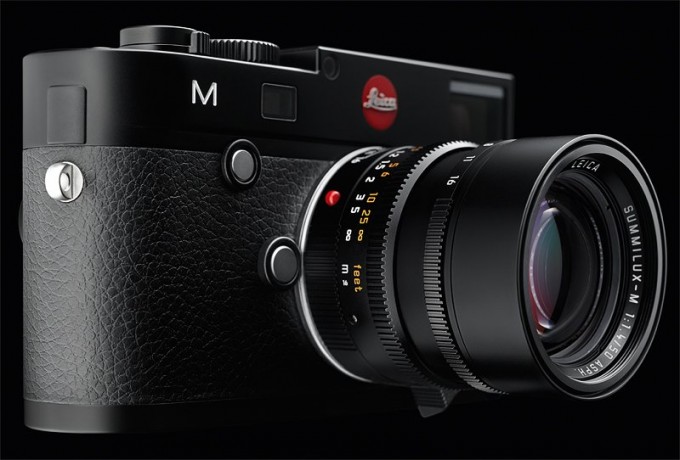
Leica M (Typ 240)

Leica-M-second-picture-680x460

My favorite camera is obviously the Leica, the latest addition to my collection is the M or 240 Type. I shoot most of my portraits, features and reportage using this camera with either the 35 1.4 Summilux or the 50mm 1.5

The Leica M 240 is a digital rangefinder camera with a full-format 24 x 36 mm sensor. As the world’s most compact full-format system camera, the Leica M 240 extends the legendary heritage of the Leica rangefinder M System and unites over 50 years of continuous technical improvements to the system with the best in cutting-edge digital technology.

The Leica M is a digital full-frame 35 mm rangefinder camera. It was introduced by Leica Camera AG in September 2012, and is the successor to the Leica M9 range of cameras. The M uses a 24-megapixel image sensor. The camera is the first M model to feature movie recording, and the first to have Live View—which allows the scene, as seen through the lens, to be composed.The M is compatible with almost all M mount lenses and most R mount lenses (via an adapter). All Leica M cameras are handmade in Portugal and Germany.

The M uses a CMOS 24-megapixel image sensor designed exclusively for Leica by the Belgian company CMOSIS. The sensor contains 6,000 by 4,000 pixels on a 6 x 6 µm² grid, and is made by STMicroelectronics in Grenoble.

The M supports most M-mount lenses, and with an optional R-Adapter, the camera can use almost all Leica R-mount lenses.Live View allows owners of R-lenses to use an optional electronic viewfinder.

The camera uses a MAESTRO image/video processor which is based on the Fujitsu Milbeaut. It has specifically-designed rubber seals (to protect against dust and water spray).

15 things +1 (I try) to avoid in Street Photography

 ..I have specified I TRY  to avoid .... ....

  1. Using more than one lens per day for street photography.  I prefer a 35mm or occasionally a 50mm
  2. Checking the LCD screen after taking photos on the streets (Chimping)
  3. Letting criticism affect me negatively. Rather, I try to use it to empower me to find weaknesses in my work.
  4. Leaving the house without a camera
  5. Spending a lot of time looking at photos online ; rather I spend more time shooting
  6. Forgetting how lucky I am to be able to go out and take photos everyday
  7. Mixing my digital and film photos in a project
  8. Letting the number “likes” dictate whether a photo is good or not
  9. Taking a photo of someone on the streets without saying “thank you” or smiling at them
  10. Hesitating before taking a street photograph
  11. Shooting to please my critics
  12. Recommending lenses longer than 50mm for street photography
  13. Making excuses when a photo doesn’t work. It is shit end of the story
  14. Taking photos without emotion and without your heart
  15. Uploading photos online until letting it “marinate” for few weeks

+1.  Comparing myself to other photographers

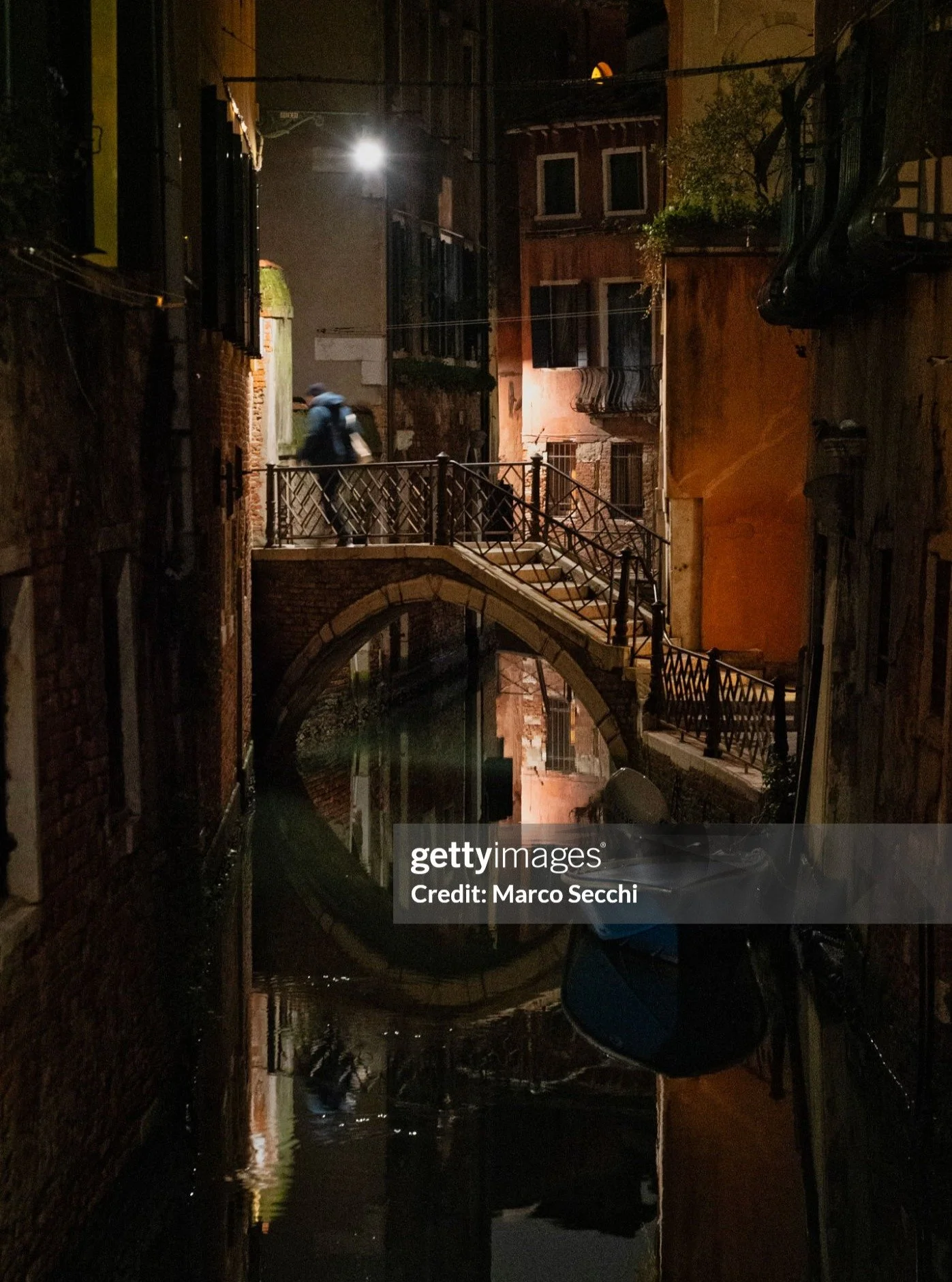
Ponte degli Scalzi - Fismonger - Leica M2 35mm HP5+ 400 Asa

How to Rescue a Wet Camera

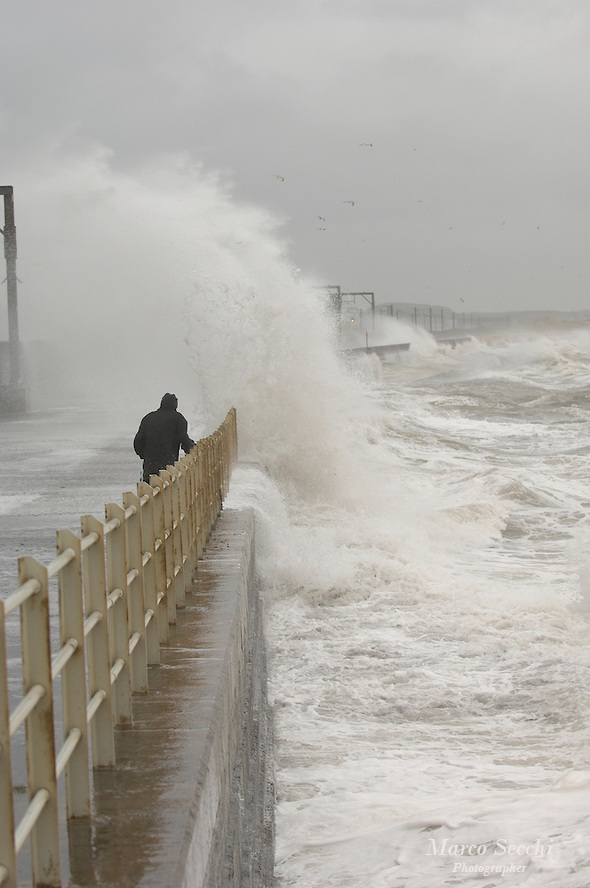
Scotland, Saltcoats 23rd November 2006 Extreme weather condition with strong gales and rain are battering the West Coast of Scotland NUJ recommended terms & conditions apply. Moral rights asserted under Copyright Designs & Patents Act 19

It has happened to me a couple of times covering bad weather in Scotland, to friends and colleagues, even a couple of days ago to one of my Venetian colleague.

Your precious camera meets the water...either in the form of a big splash or heavy torrential rain.

I have managed to recovered my cameras at least 2 times and I have strictly used the following method

  • As soon as it happen switch off the camera, remove the battery, remove memory card, I would say this is the most important action.
  • Do NOT turn the camera on  ever....you may risk to short circuit important parts
  • As soon as you can, make sure there are no traces of moisture visible on the camera.
  • Find a container big enough to hold the camera and a couple of bags or more of rice (Yes RICE)
  • can be a Tupperware container, half fill it with  rice  and then place the dead camera body on top of the rice with the mirror facing down.
  • pour more rice on top of the camera until it is completely covered with about 1 inch of rice above the top of the camera body
  • placed a tightly fitted lid on the container and place it a dry cupboard for at least  one week.

After about a week of drying out in the hermetically sealed rice box you should be able to switch on the camera and scroll through all the menus..,.. if this is the case I would place the camera again in the rice for 4 or 5 days  or leave it near but not too close to a radiator.

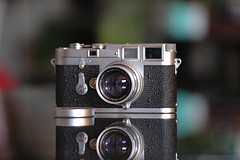
Leica M3 and M2

My Leica M3 Camera

The Leica M3 is perhaps the one camera that does not actually require an introduction. Voted by STUFF Magazine and Ebay as the “Top Gadget of All Time”

The epitome of vintage style, the Leica M3?s modern incarnations are still held as pinnacles of camera design and lusted by photographer all over the world.

Just the fact that since the Leica M3?s introduction 1954, the basic design of Leica M cameras has not really changed is a testament to how well conceived the Leica M3 is. In fact, one could argue that Leica built such a great camera that they haven’t really done much else since.

The Leica MP, introduced in 2003, nearly 50 years after the Leica M3, is just an inferior, and far more expensive, modern copy.The Leica M3 is Leica’s greatest achievement and also a stark reminder of it’s glorious past.

The Leica M3 was in production for 13 years. Do you know how many M cameras Leica has released in the last 13 years? Eight! That’s roughly one camera every 18 months. You have the Leica M7, MP, M8, M8.2, M9, M9P, M-E and the Leica M Type 240. Leica have become just like every other camera manufacturer in the digital world, pumping out a new camera every 18 months to two years. That’s not even counting their partnership with Panasonic!

In 1954 the Leica M3 inaugurated a completely new era of 35mm cameras. Though SLRs had started to appear earlier (e.g. the Exakta system from the late 1940s), the multiple-frameline rangefinder by Leica offered

the smoothest, fastest, most robust shooting experience available, coupled with the then-already optically superior Leitz lenses.

These cameras were constructed to the absolute highest standards of quality and maintainability (everything was designed to be adjustable over a long, long lifespan). As such, as long as the rangefinder optics are clean (the balsam glue of the beam splitter have a tendency to fail after about 40 years on some examples of the M3, fading or completely disabling the rangefinder) this is a very 'safe' camera to buy on eBay.

My copy (a late-model, single-stroke) truly looks and functions like a new camera, despite it's age of 52 years. It's quickest, smoothest, quietest camera I own. Rangefinders are, of course,much more limited than their SLR counterparts, and this could not be considered a "general purpose" camera anymore, but for anybody still practicing the art of developing and printing their own photographs in an analogue manner, the Leica M3 offers arguably the best body to obtain the ultimate image quality possible from the 35mm format.

Being the first "M", the collectivity (value) of the M3 is sure to increase with time, and finally, as an object considered in its own right (not as a tool) the M3 has timeless beauty and pureness of design.

Regarding lenses, nothing fits a Leica M3 better than a Summicron 50mm f/2 - it's small, chromed, and likely the highest-performance M-mount lens yet made (according to several tests). With this lens, you can imagine the M3 being a fixed-lens camera, it's so compact and well-matched. If the light is good, shoot some Ilford Pan F, and be prepared for prints of unmatched quality from the 35mm format.

Mamiya RZ67 Pro II

English: Mamiya RZ67 Professional camera, lens...

The Mamiya RZ67 is my medium format single-lens reflex system camera manufactured by Mamiya. There are three successive models: the RZ67 Professional (first model

released in 1982), RZ67 Professional II (released in 1995) and RZ67 Professional IID (released in 2004). RZ67 is a modular camera system, meaning lenses, viewfinders, ground glasses, film winders and film backs are all interchangeable. It is primarily designed for studio use, but can also be used in the field. The RZ67 Sekor lenses have built-in electronic leaf shutters which are cocked and triggered from the body. Focusing is performed with a bellows on the body instead of the lenses.

The camera accepts 6x7, 6x6 and 6x4.5, 120 and 220 film magazines and Polaroid as well as Quadra 72 4x5 sheet film backs. Mamiya RB67 backs are also supported via the G-Adapter. The film speed is set on each RZ back via a dial. There are two versions of the 6x7 and 6x4.5 backs, the model II versions have a second film counter to always show the film count on the top. The RZ67 operates on one 6V silver oxide 4SR44 battery, or 6V 4LR44 alkaline battery. It can be used in emergency mode fully mechanically with a fixed 1/400 sec shutter speed. Multiple exposures are possible in the M-mode. Mirror flip up is supported. The body has one standard flash hot shoe on its left side, one plug for a standard remote shutter cable release, and a socket for an electronic shutter trigger. The RZ67 measures 104 mm (W) x 133.5 mm (H) x 211.5 mm (L) with the 110mm f/2.8 lens, and weighs approximately 2.4 kg (5.29 lbs). The flange distance is 105 mm.

The RZ67 name is adopted from the model name of the Mamiya RB67 (where RB stands for Revolving Back), which was first introduced in 1970, thus the RZ67 also takes backs which can be rotated 90 degrees to provide a horizontal or vertical composition. The orientation is shown in the viewfinder with black guides. The viewfinder also hosts LEDs informing of the state of the camera (flash ready, low battery, dark slide not removed, shutter not cocked). In addition to manual operation (photographer chooses aperture and shutter speed), the RZ67 is able to operate in AEF mode with an AE viewfinder (AE being an abbreviation for automatic exposure), which transmits exposure information directly to the body. In RBL compatibility mode, the RZ67 is able to use RB67 lenses. The biggest difference between RB67 and RZ67 is, that RB67 is completely mechanical. The RZ67 has also mechanical couplings between the parts, but the shutter is electronic, and parts are able to transmit exposure information with electronic couplings. In addition, the RZ67 has plastic exterior body, which makes it somewhat lighter.

Press photographers

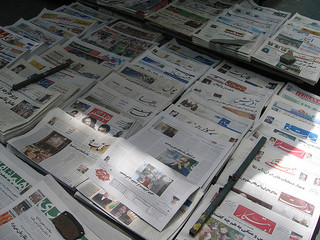
newspapers (Tehr?n)

Former fleet street legendary picture editor Ron Morgans has just posted a quote from the well respected legendary Editor Sir David English. Roy Greenslade take note: Here's what the late, great Sir David English, who created the modern Daily Mail, had to say about newspaper photographers.

" Press photographers are a strange breed. Moody, enthusiastic, temperamental, excitable, humorous, self-deprecating . They are in many ways the most interesting collection of people to be found on any national newspaper. More interesting frequently than the star bylined writers. More interesting than the gossip columnists with their fund of inside chatter. More interesting even than the showbiz kings with their stories of rubbing shoulders with the great and their `all life´s a cocktail party´ philosophy. Photographers are the shock troops of journalism. They cannot muse. They cannot pontificate. They cannot sit in the office and get their stories by telephone. Nor do they pick up their scoops over lunch. They have to be where the action is. They have to be there! "

Related articles