Marco Secchi Workshops
  • Marco
  • Venice
  • Groups
  • Istria
  • Budapest
  • Slovenia
  • Prague
  • Transylvania
  • Online
  • The Cabinet
  • Contact
  • ↗ Articles

Marco Secchi Workshops

  • Marco/
  • Venice/
  • Groups/
  • Istria/
  • Budapest/
  • Slovenia/
  • Prague/
  • Transylvania/
  • Online/
  • The Cabinet/
  • Contact/
  • ↗ Articles/
DSCF5035 copy.jpg

Marco Secchi Workshops

Marco Secchi Journal

“Rambling of a Confused” is the blog of award winner photographer and visual storyteller Marco Secchi

Marco Secchi Workshops

  • Marco/
  • Venice/
  • Groups/
  • Istria/
  • Budapest/
  • Slovenia/
  • Prague/
  • Transylvania/
  • Online/
  • The Cabinet/
  • Contact/
  • ↗ Articles/
December 18, 2012

Rolleiflex Automat MX 3.5

December 18, 2012/ Marco Secchi

Rolleiflex Automat (X sync.) is a medium format TLR film camera manufactured by Franke & Heidecke, Braunschweig, Germany, and produced between 1949-51.Rolleiflex 3.5 MX-EVS
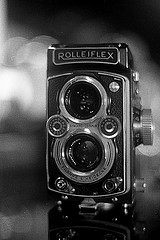
Automat (X sync.) is also known as Model Automat MX 3.5

All Rolleiflex Automat series was produced between 1937-1956. Mine is 1954.

Automat name stands to introduced automatic film counter in 1937; this counter senses the thickness of the film backing to accurately begin counting frames, obviating the need for the ruby window that forced the photographer to read the frame number off the back of the film itself. Rolleiflex TLR film cameras were most famous and the standard of news and studio photographers for decades. Many photographers still shoot with Rolleiflex TLR film cameras and black-and-white film.

Rolleiflex is the name of a long-running and diverse line of high-end cameras originally made by the German company Franke & Heidecke, and later Rollei-Werk. The "Rolleiflex" name is most commonly used to refer to Rollei's premier line of medium format twin lens reflex (TLR) cameras. (A companion line intended for amateur photographers, Rolleicord, existed for several decades.) However, a variety of TLRs and SLRs in medium format, and zone focus, and SLR 35 mm, as well as digital formats have also been produced under the Rolleiflex label. The 120 roll film Rolleiflex series is marketed primarily to professional photographers. Rolleiflex cameras have used film formats 117 (Original Rolleiflex), 120 (Standard, Automat, Letter Models, Rollei-Magic, and T model), and 127 (Baby Rolleiflex).

The Rolleiflex TLR film cameras were notable for their exceptional build quality, compact size, modest weight, superior optics, durable, simple, reliable mechanics and bright viewfinders. They were popular and widely imitated. The high-quality 8 cm focal length lenses, manufactured by Zeiss and Schneider, allowed for a smaller, lighter, more compact camera than their imitators, The highly regarded Zeiss Planar f2.8 and Schneider Xenotar lenses, both 80mm focal length and fast in comparison, are both state of the art optics. Unique to the Rolleiflex Automat and letter model cameras, the mechanical wind mechanism was robust and clever, making film loading semi-automatic and quick. This mechanism started the exposure counter automatically, auto-spaced the 12 or 24 exposures, and tensioned the shutter; all with less than one full turn of the film advance crank. This makes the Rolleiflex Automat/Letter model cameras very sought-after for shooting fast paced action, such as street photography. A wide range of accessories made this camera a system: panorama head, sun shade, parallax-corrected close-ups lenses, color correction, contrast enhancing, and special effect filters, all mounted with a quick release bayonet, as well as a quick-change tripod attachment. Some amateur and fine-art photographers still shoot Rolleiflex TLR film cameras with color transparency, color negative, or black-and-white film. The later f2.8 and f3.5 letter models (Planar or Xenotar lens) are highly sought after in the used market, and command the greatest price. Rolleiflex TLRs are still manufactured in Germany by DHW Fototechnik.Historically there were five focal length cameras available including 5.5 cm Rollei-Wide, 6.0 cm Baby Rollei, 7.5 cm (f:3.5), 8.0 cm (f2.8), and 13.5 cm (f:4 Zeiss Sonnar) Tele-Rolleiflex. Although all Rolleflex cameras can be fine user cameras, there is also an active market for many Rolleiflex models as collectables, and this adds (greatly in some models) to the end price paid, particularly in Japan

December 18, 2012/ Marco Secchi/ Comment
My Gear
Braunschweig, Germany, Rollei, Rolleiflex, Rolleiflex TLR, Single-lens reflex camera, Toll-like receptor, Twin-lens reflex camera

Marco Secchi

Fine art, commercial and editorial Photographer | Director of Photography | Digital Content Creator | Photography Consultant | Innovation Leader |

  • Marco/
  • Venice/
  • Groups/
  • Istria/
  • Budapest/
  • Slovenia/
  • Prague/
  • Transylvania/
  • Online/
  • The Cabinet/
  • Contact/
  • ↗ Articles/

Marco Secchi Workshops

One of the BestTours on Tripadvisor. Photo Workshop. Have you ever walked on the streets and saw a moment that you wanted to capture, but you were too scared to take the photograph? Do you want to become more confident shooting in the streets and learn how to better interact with your subjects? 

Info, News and updates about Venice. Where to stay, What is happening, Where to Eat….and a lot more

No results found

Get Updates from Me!


My Instagram Feed

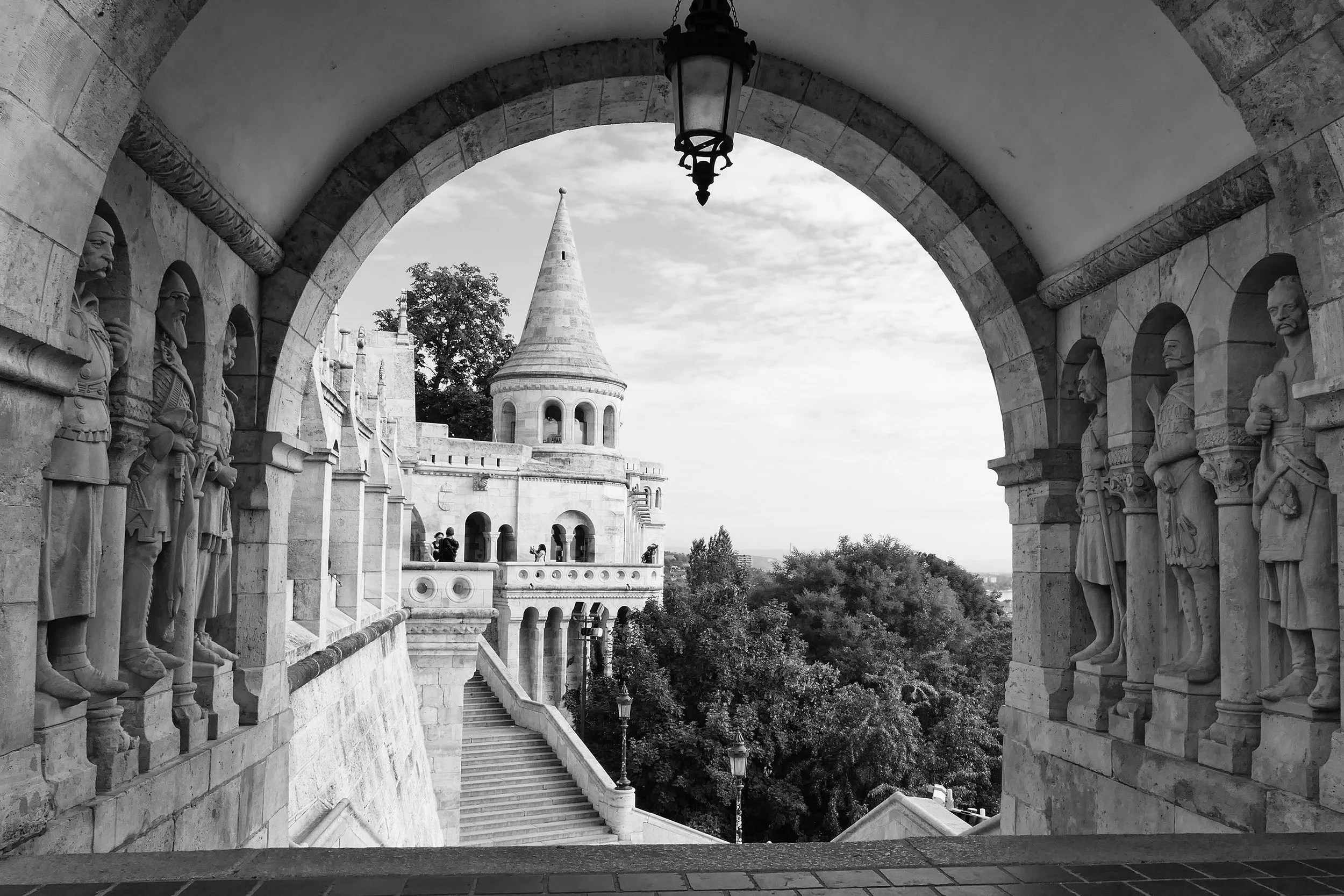
In Budapest, history is never quite behind you.

At Fisherman’s Bastion, the old stone guardians remain in shadow while the city opens beyond the arch. The tower catches the eye first, but it is the figures watching silently from both sides tha
In Budapest, history is never quite behind you. At Fisherman’s Bastion, the old stone guardians remain in shadow while the city opens beyond the arch. The tower catches the eye first, but it is the figures watching silently from both sides that give the frame its story. This is why I enjoy photographing with a Leica. It stays quiet and encourages me to look for layers, relationships and small tensions inside the scene, rather than simply recording another landmark. That is also how I approach my private Budapest workshops: we explore the city, but more importantly, we learn to read it. If you would like to photograph Budapest with me, send me a message. #Budapest #LeicaPhotography #BlackAndWhitePhotography #FishermansBastion #leica #BudapestPhotographyWorkshop
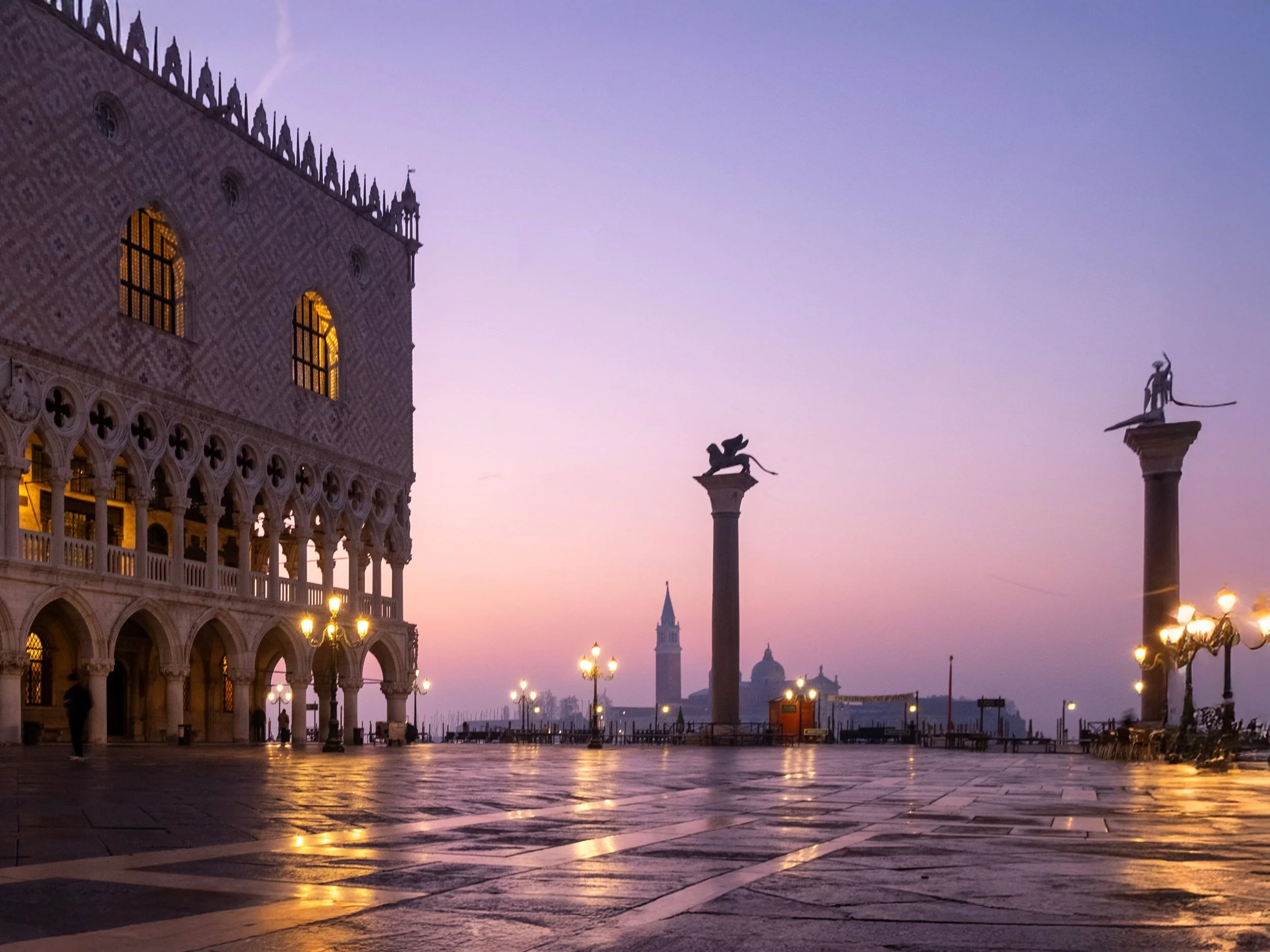
Venice does not wait for sunrise to become beautiful.

The most interesting light often comes earlier, when the lamps are still glowing, the wet stone reflects every colour and the city has not yet filled with people. This is the moment to work slowl
Venice does not wait for sunrise to become beautiful. The most interesting light often comes earlier, when the lamps are still glowing, the wet stone reflects every colour and the city has not yet filled with people. This is the moment to work slowly, watch the balance between natural and artificial light, and decide exactly what belongs in the frame. My private Twilight and sunrise workshops begin in this quieter, more atmospheric Venice. If you are planning a visit and would like to photograph the city at its best hour, send me a message and we can create a session around your photography. #venice #photography #workshops #leica
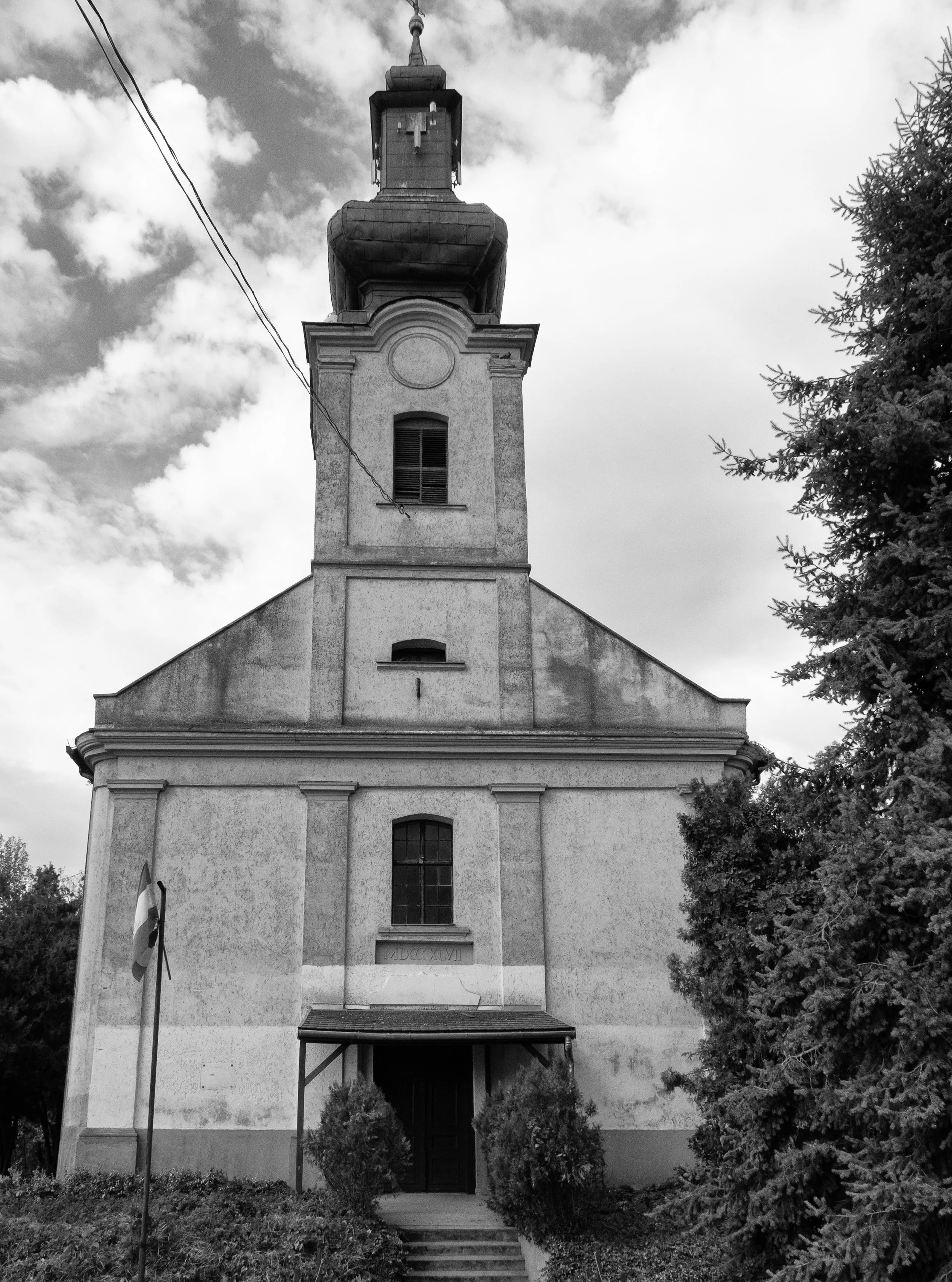
The Nagyrévi Református Templom has stood here since 1847. Its tower watched over baptisms, marriages, funerals and the quiet procession of ordinary Sundays. 

Decades later, as darker events unfolded behind the village's closed doors,
The Nagyrévi Református Templom has stood here since 1847. Its tower watched over baptisms, marriages, funerals and the quiet procession of ordinary Sundays. Decades later, as darker events unfolded behind the village's closed doors, people still climbed these steps and gathered beneath its roof. Buildings cannot testify. They leave no record of what was confessed, suspected or deliberately left unspoken. Yet the weathered walls and shuttered tower seem to hold a question: how much can a place witness without ever revealing what it knows? Nagyrév is often reduced to the story of the poisonings. The church reminds us that history rarely announces itself. Sometimes it happens quietly among neighbours, beneath a familiar bell, while everything still seems entirely normal. #NAGYREV #HUNGARY #LEICA For those who want to explore the atmosphere of Nagyrév and the story of the poisonings, I recommend @sabrinazuccato ’s Italian-language novel, La levatrice di Nagyrév.
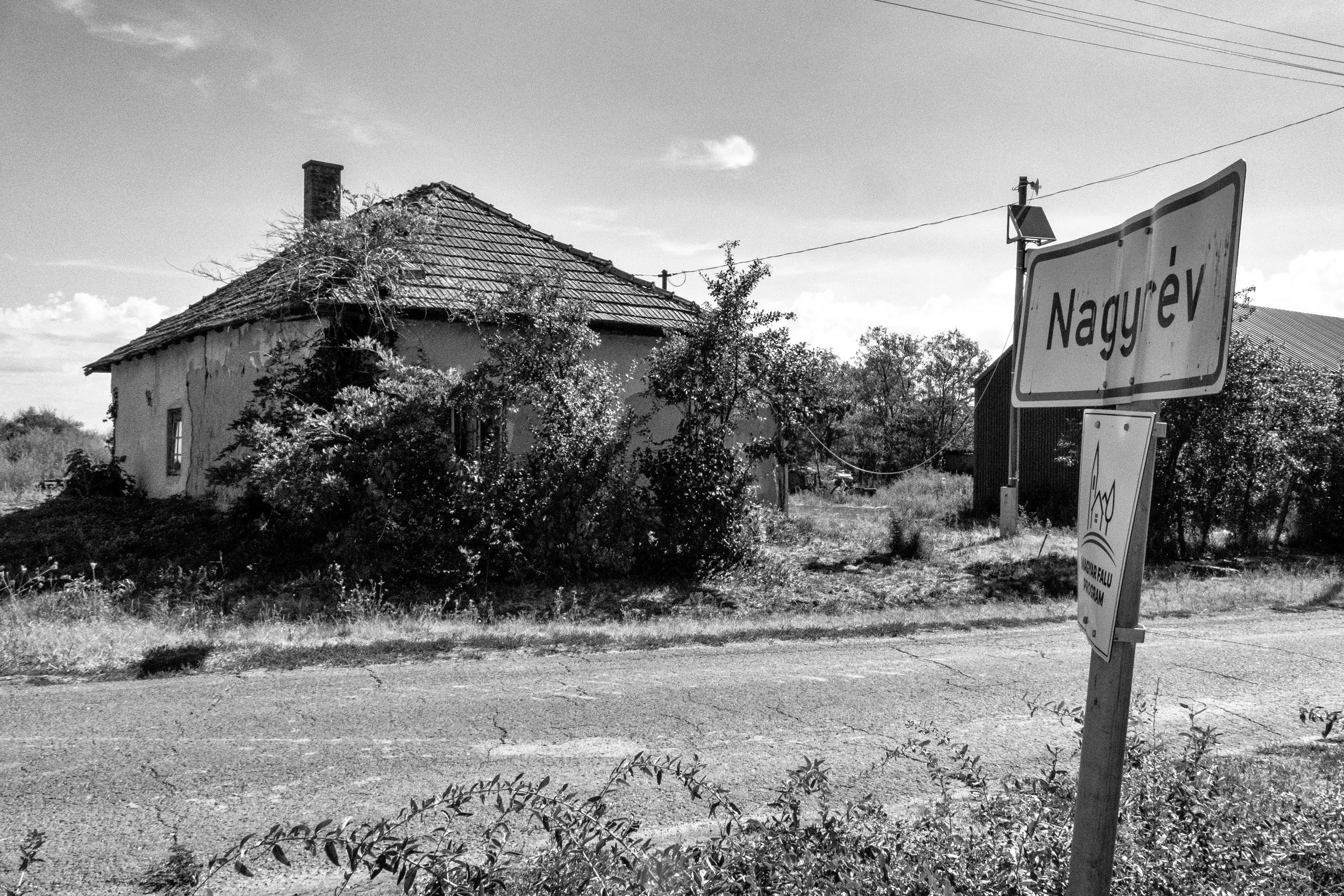
At the edge of Nagyrév, the village announces itself quietly. A weathered house is slowly being reclaimed by the vegetation, while the empty road leads into a place that seems to hold more than it reveals.

I have become increasingly obsessed
At the edge of Nagyrév, the village announces itself quietly. A weathered house is slowly being reclaimed by the vegetation, while the empty road leads into a place that seems to hold more than it reveals. I have become increasingly obsessed with Nagyrév. I cannot quite get it out of my mind. Every visit, every house and every fragment I uncover seems to open another layer of the story. And now, after the discovery of a particular date the place feels more insistent than ever. It is no longer somewhere I simply photograph. It follows me home. #nagyrév
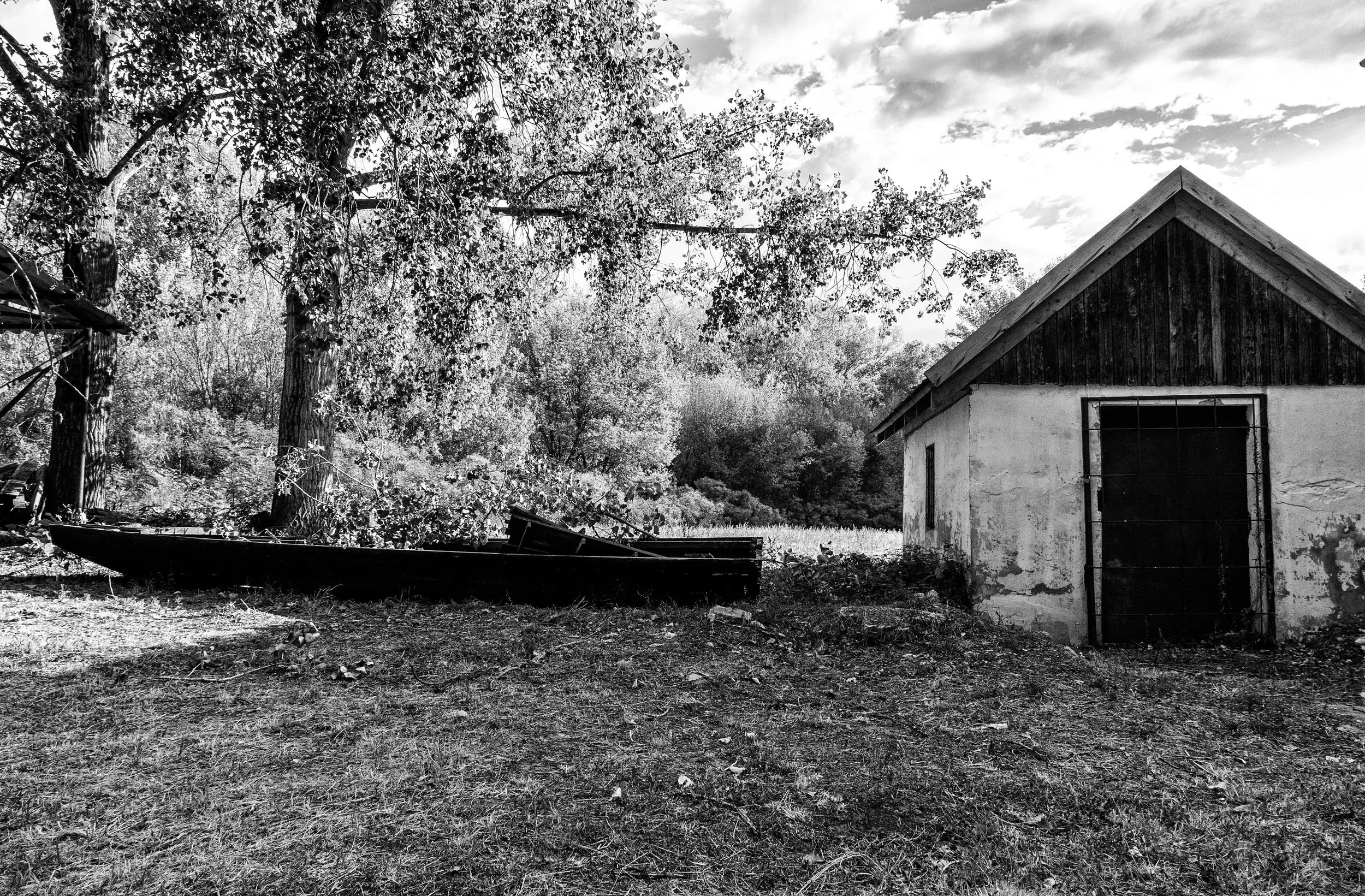
At the old ferry point in Nagyrév, a fishing boat has been pulled beyond the reach of the Tisza.

No name, no sign of its owner, and no clue whether it was abandoned or simply left waiting. 

In places like this, silence rarely gives you the w
At the old ferry point in Nagyrév, a fishing boat has been pulled beyond the reach of the Tisza. No name, no sign of its owner, and no clue whether it was abandoned or simply left waiting. In places like this, silence rarely gives you the whole story. #akompnemüzemel #Nagyrév #Tisza #LeicaPhotography #BlackAndWhitePhotography #HungaryPhotography
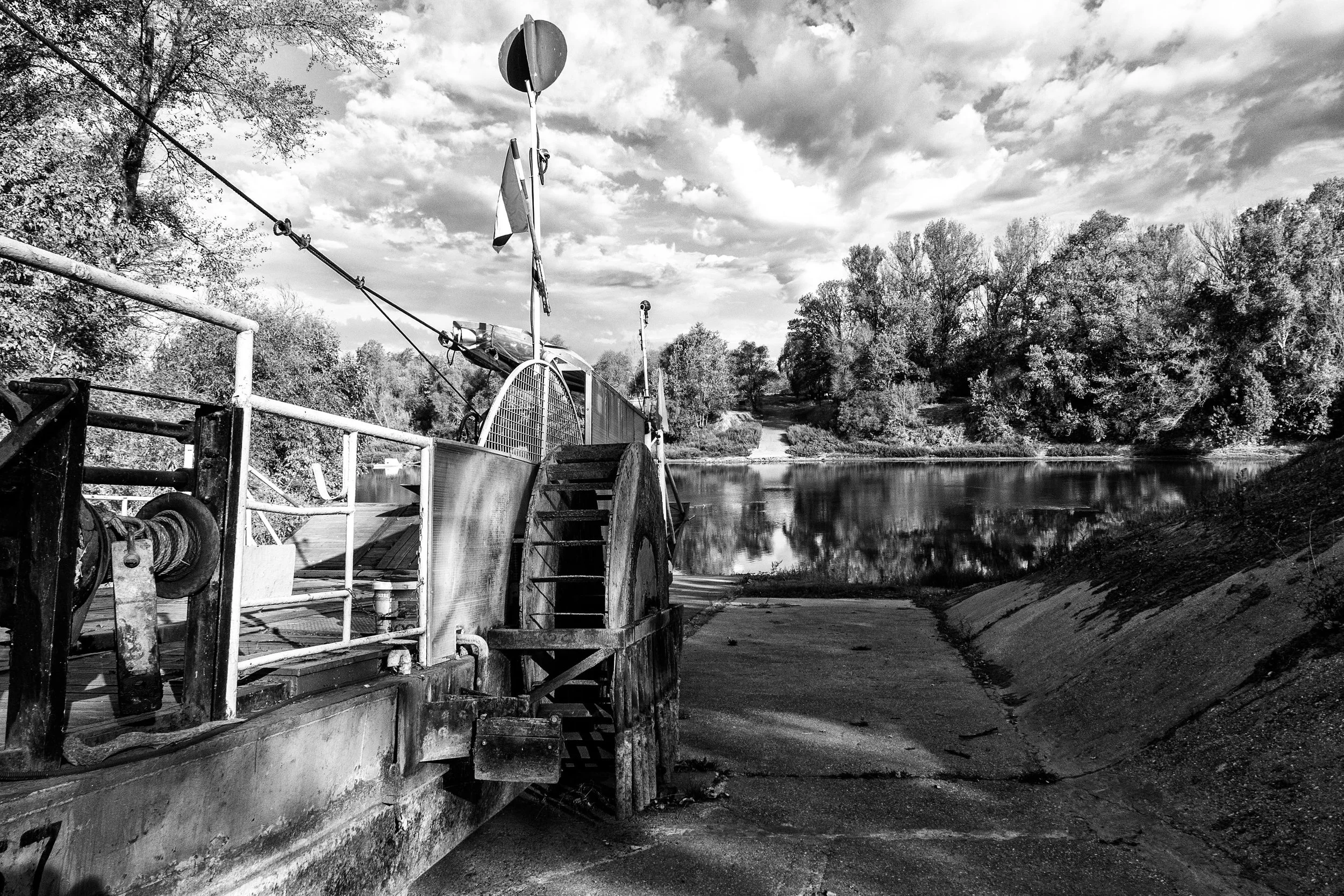
Nagyrév begins with a crossing.

The Hungarian word rév means a ferry or river crossing, and the first surviving written mention of one here dates to 1311. In this frame, the machinery, cables and ramp occupy one bank of the Tisza, whil
Nagyrév begins with a crossing. The Hungarian word rév means a ferry or river crossing, and the first surviving written mention of one here dates to 1311. In this frame, the machinery, cables and ramp occupy one bank of the Tisza, while the road continues on the opposite side. I came to Nagyrév following its darker history, but places are never only the stories that made them notorious. They are also landscape, routine and the structures that quietly hold everyday life together. The ferry offers another way into the village. Not through legend, but through geography. #akompnemüzemel #Nagyrév #DocumentaryPhotography #BlackAndWhitePhotography

Made with ❤️ in Venice and Budapest

Images Copyright by Marco Secchi