Embracing the Monochrome Challenge on the Vibrant Island of Burano

As a photojournalist and fine art photographer who conducts workshops across picturesque European cities like Venice, Ljubljana, and Croatia, I constantly seek new ways to challenge my perspective and inspire the students who attend my sessions. One such challenge I recently undertook with Terry, a fantastic guest and a great photographer, was a black and white photography workshop in the heart of Burano, Italy's most colourful island.

At first glance, it may seem like a counterintuitive idea to focus on black and white photography in a place that is bursting with colour. However, the experience proved enlightening, allowing me and my students to delve deeper into the nuances of composition, texture, and contrast that are so critical to black-and-white photography.

During the workshop, we explored the island's quaint streets and canals, searching for scenes and subjects that would translate well into monochromatic images. Without the distraction of colour, we were forced to think beyond the obvious and consider how elements like light, shadows, and shapes could create a compelling photograph.

One of the most fascinating aspects of this challenge was the opportunity to understand what works and what doesn't in terms of black and white photography. We discovered that certain subjects lent themselves perfectly to a monochromatic treatment, while others lost their impact without the vibrancy of colour. This realization made us all more discerning photographers capable of making thoughtful decisions about when to use black and white versus color.

The vibrant houses of Burano, for example, seemed to lose their charm in grayscale. However, the intricate lacework the island is famous for took on a new life when captured in black and white. The play of light and shadow on the delicate patterns created a sense of depth and intricacy that may have been lost in a colour image.

Ultimately, the black and white workshop challenge in Burano proved to be an enriching experience for all of us. It pushed us to think more critically about our photographic choices and helped us better understand the art of monochrome photography. While it may have seemed like a crazy idea initially, the results were nothing short of fantastic. I encourage every photographer to consider taking on a similar challenge to expand their horizons and hone their skills!

The Art of AI: How Technology is Changing the Future of Photography

In the age of artificial intelligence, traditional art forms are being challenged and transformed. Photography, in particular, is experiencing a wave of innovation and experimentation thanks to the power of machine learning algorithms. While some worry about the impact of AI on the art form, I see it as an opportunity to push the boundaries of what is possible and explore new possibilities.

All Images by JULIE WIELAND - Midjourney v5

PORTRAIT OF AN OLDER MAN SAT IN A COFFEE SHOP, SHOT THROUGH A WINDOW. THIS IMAGE IS STRAIGHT OUT OF MIDJOURNEY V5 | JULIE WIELAND

Today, when machines are learning to see and interpret the world around us, it may seem as though the space for traditional photography is shrinking. However, by analysing AI, we can (re)discover a concrete future for the art form.

With the recent launch of Midjourney V5, a cutting-edge AI model developed by leading tech company OpenAI, the capabilities of machine learning in the realm of visual arts have taken a giant leap forward. Midjourney V5 has been specifically designed to enhance the quality of images and videos by applying advanced algorithms that can automatically adjust and optimise colours, brightness, and contrast, among other things.

While this technological breakthrough undoubtedly has many advantages, some photographers have expressed concern about the impact it may have on the art form. They worry that AI-enhanced images could lead to a homogenisation of visual aesthetics, making it difficult for individual artists to stand out and be recognised for their unique vision.

ONE OF THE IMAGES I CREATED WITH MIDJOURNEY V5

However, others argue that AI could be a tool for artists to explore new possibilities and push the boundaries of traditional photography. By understanding how machine learning algorithms work and how they can be applied to images, photographers can create works that are both technically advanced and visually striking.

Moreover, the use of AI in photography can help democratise the art form by making it more accessible to a wider audience. With tools like Midjourney V5, amateur photographers can improve the quality of their images and create professional-looking work without needing years of training and experience.

While the use of AI in photography may impact the industry as a whole, it is unlikely to lead to professional photographers losing their jobs. AI technology can be seen as a tool that can help photographers improve their workflow and enhance the quality of their work.

Professional photographers have a level of skill and expertise that cannot be easily replicated by AI technology. While AI may be able to automate certain aspects of the editing process, it cannot replicate the creative eye and unique perspective that a human photographer brings to the table.

Furthermore, professional photographers often work in areas that require a high level of technical expertise and specialised knowledge, such as commercial photography or photojournalism. In these areas, capturing specific moments or telling a story through images is essential, and AI technology is unlikely to replicate these skills fully.


That being said, the use of AI technology may lead to changes in the industry and how photographers approach their work. For example, photographers may need to adapt their skills and expertise to incorporate AI tools into their workflow, or they may need to find new niches where they can offer unique value beyond what AI can provide.

Overall, while the use of AI technology may bring changes to the industry, it is unlikely to lead to professional photographers losing their jobs. Instead, it may offer opportunities for photographers to enhance their skills and bring new ideas and approaches to their work.

REVOLUTIONIZING THE ART WORLD: VERSION 5 OF THE MIDJOURNEY AI ART GENERATOR

At the same time, AI can also help us understand the world around us in new and exciting ways. By training machines to recognise patterns and interpret images, we can gain insights into how we see and understand the world. For example, machine learning algorithms can identify and track environmental changes over time, helping us better understand issues like climate change and urbanisation.

In short, the rise of artificial intelligence may seem daunting for traditional photographers, but it also presents exciting opportunities for innovation and experimentation. By embracing AI and using it to enhance our artistic vision, we can create technically advanced and visually stunning works while gaining new insights into the world.

STRAIGHT OUT OF MIDJOURNEY V5

For a professional photographer, there are several steps they can take to stay ahead of the curve and not fall behind with the use of AI in photography:

  1. Embrace new technologies: Professional photographers should be open to learning about and adopting new technologies, including AI-powered tools. By staying up-to-date with the latest developments in the industry, they can continue to offer high-quality services to their clients.

  2. Develop a unique style and aesthetic: While AI can be used to enhance images, it cannot replicate the creative eye and unique perspective that a human photographer brings to the table. By developing a signature style and aesthetic, professional photographers can differentiate themselves from competitors and offer a unique value proposition to their clients.

  3. Focus on specialisation: Professional photographers can also differentiate themselves by focusing on a specific niche or area of expertise, such as commercial photography or photojournalism. By becoming experts in a particular area, they can offer a unique value to clients beyond what AI can provide.

  4. Collaborate with AI: Professional photographers can also incorporate AI-powered tools into their workflow to streamline and enhance their work. By using AI to automate certain aspects of the editing process, for example, they can free up time to focus on other aspects of their work, such as composition and lighting.

  5. Stay connected with the industry: Finally, professional photographers should stay connected with the industry by attending workshops, conferences, and networking events. This can help them stay up-to-date with the latest developments in the industry and connect with other professionals who may offer new opportunities and collaborations.

Overall, by staying open to new technologies, developing a unique style and aesthetic, focusing on specialisation, collaborating with AI, and staying connected with the industry, professional photographers can continue to thrive and stay ahead of the curve in the age of AI.

images by JULIE WIELAND

Shutter Speeds and Social Feeds: The Artistic Differences Between Photographers and Content Creators

Photographers and content creators are two professions that mentioned daily are seems or are often considered closely related and often used interchangeably, but they have distinct differences and few similarities that set them apart. In this article, we will explore the differences and similarities between photographers and content creators and their respective roles in the creative industry.

Photography is a profession that involves capturing and creating still images using a camera. Photographers are artists that use their technical skills and creativity to capture moments and emotions that are conveyed through their images. They often specialize in a particular genre of photography such as portraiture, landscape, fashion, or photojournalism.

On the other hand, content creation is a broader term that encompasses various creative mediums such as photography, videography, graphic design, and writing. Content creators use their creative skills to produce engaging and informative content for various platforms, including social media, blogs, and websites. They may work independently or as part of a team to create content that meets the needs and interests of their audience.

One of the primary differences between photographers and content creators is their focus. Photographers typically focus solely on creating still images, whereas content creators may use various mediums to create content that tells a story or conveys a message. Additionally, photographers often work in a specific genre of photography, while content creators may work across various mediums and genres.

Another difference between the two professions is their scope of work. Photographers often work on specific projects or assignments, such as weddings, fashion shoots, or magazine editorials. Content creators, on the other hand, may work on ongoing projects such as social media campaigns or blog posts, producing content on a regular basis to keep their audience engaged.

Despite these differences, there are also some similarities between photographers and content creators. Both require a high level of creativity and technical skills to produce quality work. They both also require an understanding of the target audience and how to effectively communicate through their chosen medium.

In addition, both professions require attention to detail, strong communication skills, and the ability to work under pressure. Photographers and content creators must be able to take direction from clients or collaborators and adapt their work to meet specific requirements.

A photographer is generally considered an artist because they use their technical skills and creativity to capture and express a moment or an idea through the medium of photography. They make artistic choices about composition, lighting, colour, and subject matter, and often use their photographs to tell a story, evoke an emotion, or convey a message.

In contrast, a content creator is typically more of an executor of ideas and promotions. While they may also use technical skills to produce content, their primary focus is on creating content that will engage an audience and promote a brand or product. Content creators may use a variety of media, such as video, social media, or blog posts, to create content that is visually appealing and shareable, but their main goal is often to increase visibility and generate revenue for their brand or clients.

Of course, there can be overlap between these roles, and many photographers also create content for promotional purposes, while some content creators may have a more artistic approach to their work. However, in general, the distinction between a photographer as an artist and a content creator as an executor of ideas and promotions lies in the focus and purpose of their work.

In today's age and conditions, there is no clear answer as to whether it is better to be a photographer or a content creator. With the rise of social media and the increasing demand for high-quality visual content, both professions have become increasingly important and relevant.

However, there are some trends that suggest that being a content creator may be more advantageous in today's digital age. For one, content creators have the ability to produce content across various mediums, including photography, videography, graphic design, and writing. This versatility allows them to reach a wider audience and create more engaging and dynamic content.

Moreover, content creators are often able to monetize their work more effectively than photographers. With the rise of influencer marketing and sponsored content, content creators can earn a significant income through brand partnerships and collaborations. In contrast, photographers often rely on commissioned work or selling prints to earn a living.

That being said, there are still many advantages to being a photographer. Photography remains an essential and highly valued art form, and photographers are often able to charge premium prices for their work. Additionally, photographers who specialize in a specific genre, such as fashion or product photography, may have a more defined niche and be able to establish themselves as experts in their field.

It's also worth noting that many photographers are now expanding their skillset and becoming content creators themselves. By embracing various mediums and platforms, photographers can diversify their portfolio and reach new audiences.

Ultimately, whether it's better to be a photographer or a content creator depends on individual interests, skills, and goals. Both professions require creativity, technical skill, and an understanding of the target audience, so it's possible to combine the two and become a successful hybrid creator.

In conclusion, while there are some advantages to being a content creator in today's digital age, there are still many benefits to being a photographer. The key is to stay adaptable and embrace new technologies and mediums as they emerge, in order to stay relevant and competitive in the ever-evolving creative industry.


The Timeless Appeal of Photographs: Exploring Their Lifespan and Preservation


I was chatting and joking with an Italian friend and colleague today when he said. “Le fotografie non hanno data di scadenza!” (Photographs do not have an expiry date)….. and it made me think…so here is my take!

Photographs are often considered to be timeless, as they capture a moment in time that can be preserved and viewed for many years to come. However, photos do have a shelf life, and their longevity can depend on a variety of factors.

The lifespan of a photograph can be influenced by the quality of the materials used to produce it. Photos printed on low-quality paper, for example, may deteriorate over time and become discolored or faded. Similarly, photos printed with inkjet printers may not last as long as those printed with traditional photographic processes like silver halide printing.

Environmental factors can also impact the lifespan of a photograph. Exposure to light, heat, and humidity can cause photographs to degrade over time. For example, storing photographs in a damp basement or attic can lead to mold growth and damage to the image. Similarly, displaying photographs in direct sunlight can cause fading and discoloration.

Finally, the format in which a photograph is stored can also impact its longevity. Digital photos can be easily backed up and stored in multiple locations, which can help ensure their preservation. However, digital storage formats can become outdated over time, making it difficult to access older photos. In contrast, printed photographs can be physically damaged or lost, but they can also be more easily accessed and enjoyed.

In conclusion, while photographs may be considered timeless in the sense that they capture a moment in time that can be preserved for generations, their longevity is not guaranteed. The quality of the materials used to produce them, environmental factors, and the storage format can all impact the lifespan of a photograph. Therefore, it is important to take steps to properly store and protect photographs to ensure their preservation for years to come.

Vero True Social: The Good..The Bad and the Ugly!

For the past six months I dedicated most of my Social Media Time to Vero True Social. I have been on this platform since 2018 but never spent much time on it and decided I had to concentrate and give it a real try!

I love the design; I think it has excellent vibes; I think the owner/ founder is great and I like is philosophy…..so I really wanted to make it work for me.

I really needed a new social media home!

Certainly, as a journalist, I found that Vero True Social had some unique features, such as the ability to sort posts into different categories and the "collections" feature which allowed me to group together related content. These features made it easier to organize my content and showcase my work in a more visually appealing way.

However, I also found that the platform had a high turnover rate of accounts opening and closing. This was frustrating because it made it difficult to establish a stable network of followers. As soon as I started to gain traction and gain followers, some of them would close their accounts, which meant that I would have to start from scratch again.

In addition, I found that the rate of followers and engagements on Vero True Social was relatively low compared to other social media platforms. This made gaining visibility for my content and attracting a large audience difficult.

Finally, the lack of analytics on the platform was a significant drawback for me. I rely heavily on data to inform my work, and the absence of this feature made it difficult to understand my audience and measure the success of my content. Without analytics, I could not know which posts were performing well and which were not, making it difficult to optimize my content and reach a wider audience.

While Vero True Social had some unique features, the high turnover rate of accounts, low engagement rates, and absence of analytics ultimately made it an unsustainable platform for me. As such, I've decided to focus my efforts on other social media platforms that provide a more stable and engaging environment for me to connect with my audience and share my work.

Prešeren Day 8th February

France Prešeren (1800-1849) was a Slovenian poet, considered the greatest poet and a cultural icon of Slovenian identity. He is widely regarded as the father of Slovenian poetry and a symbol of Slovenian cultural and national revival.

Born in the small town of Vrba, Prešeren showed a talent for language and poetry from an early age. He studied law in Vienna and later worked as a lawyer in Ljubljana. Despite his successful career, Prešeren devoted much of his time to writing poetry. His work reflects a deep appreciation for nature, a passion for freedom and a love of country.
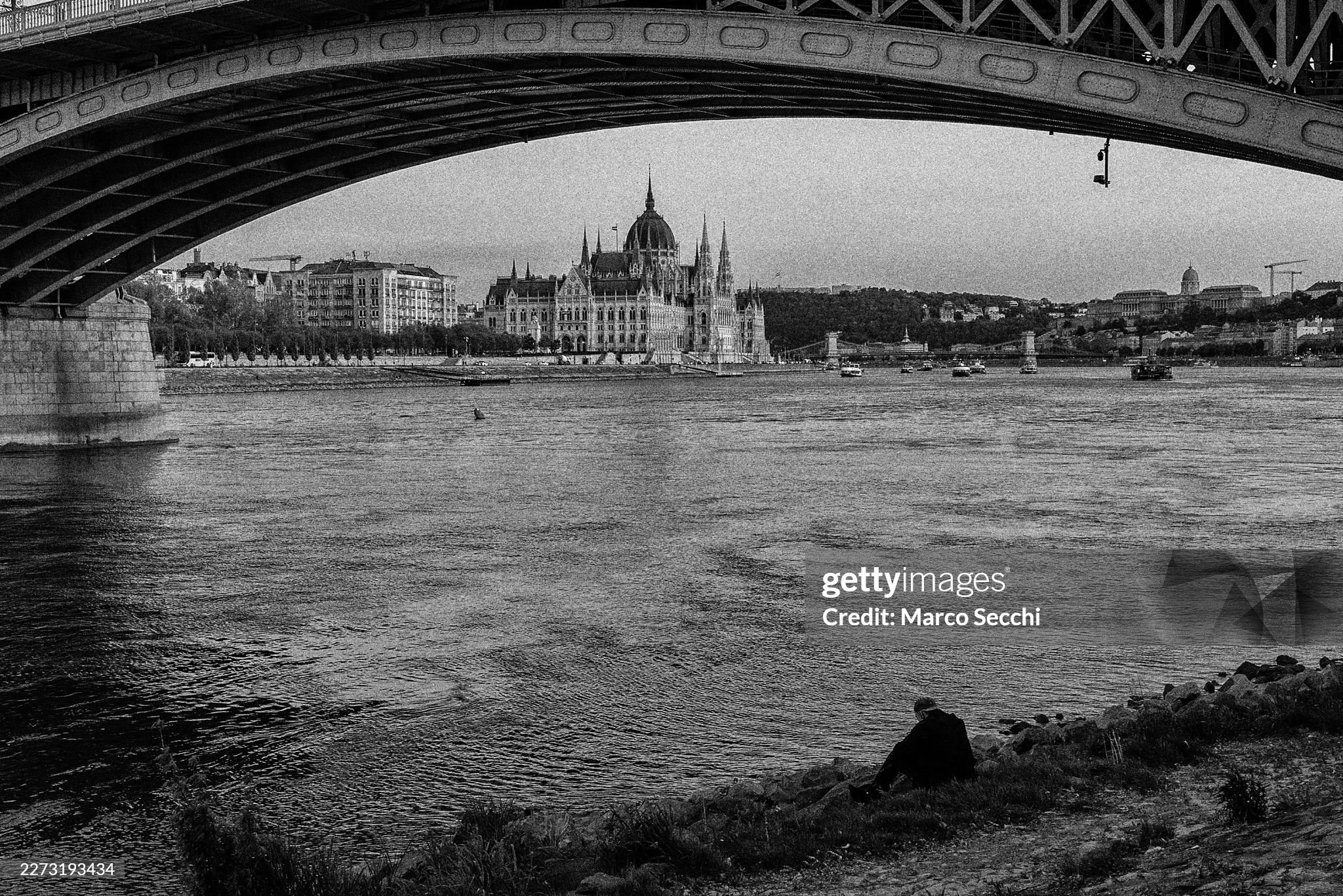
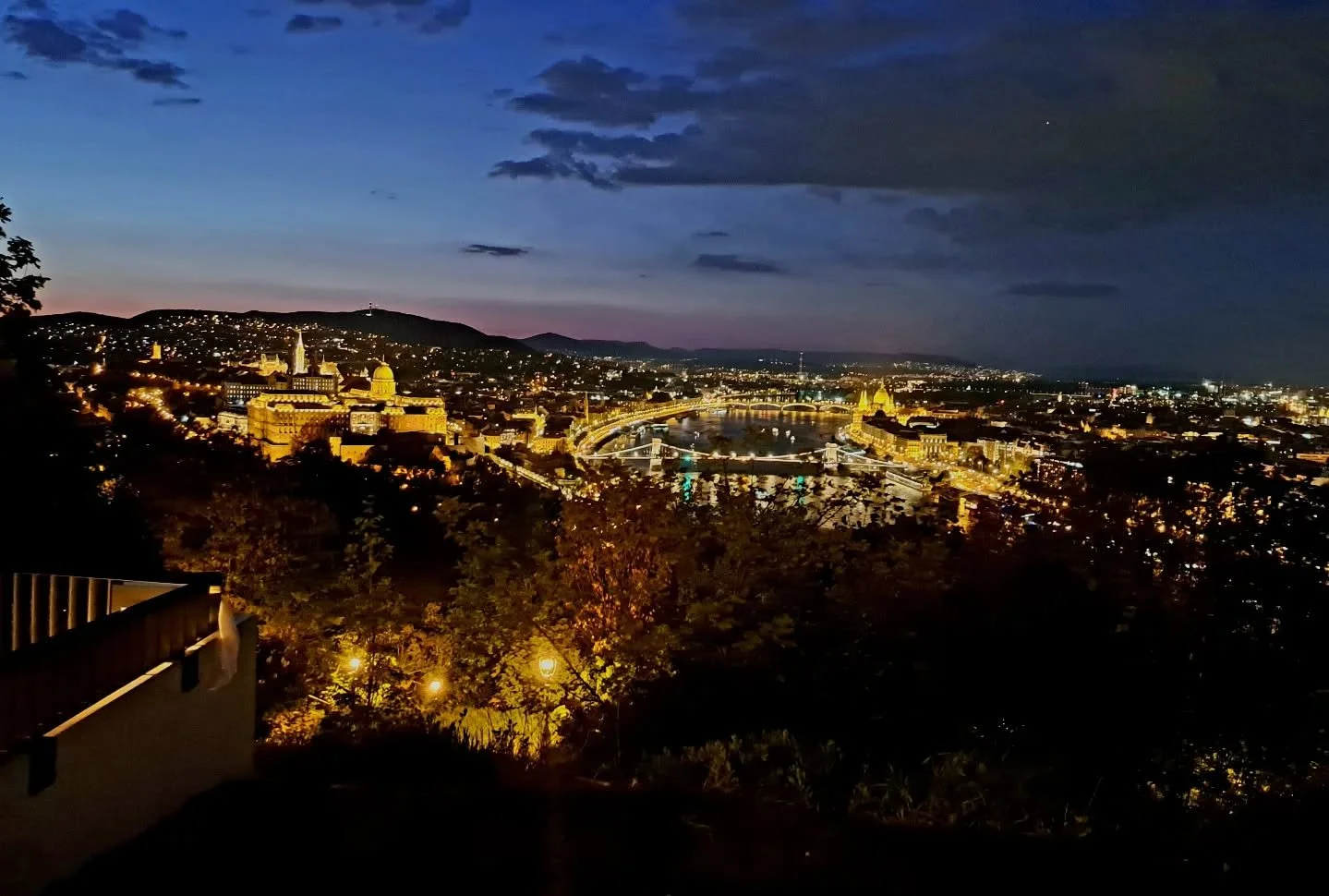
Prešeren's most famous work is a collection of sonnets called "The Trilogy of Love," which includes the poems "A Toast," "The Tears of the Prodigal," and "The Matches." These poems express the poet's love for a woman named Julija, and his disappointment and heartbreak when she marries another man. Despite this, Prešeren continued to write beautiful and powerful poems that capture the essence of love and human emotion.

In addition to his love poetry, Prešeren also wrote political poems that reflected the Slovenian people's desire for independence and freedom. He strongly supported the idea of a unified Slovenia, and his poems inspired the Slovenian people to fight for their rights and their country.
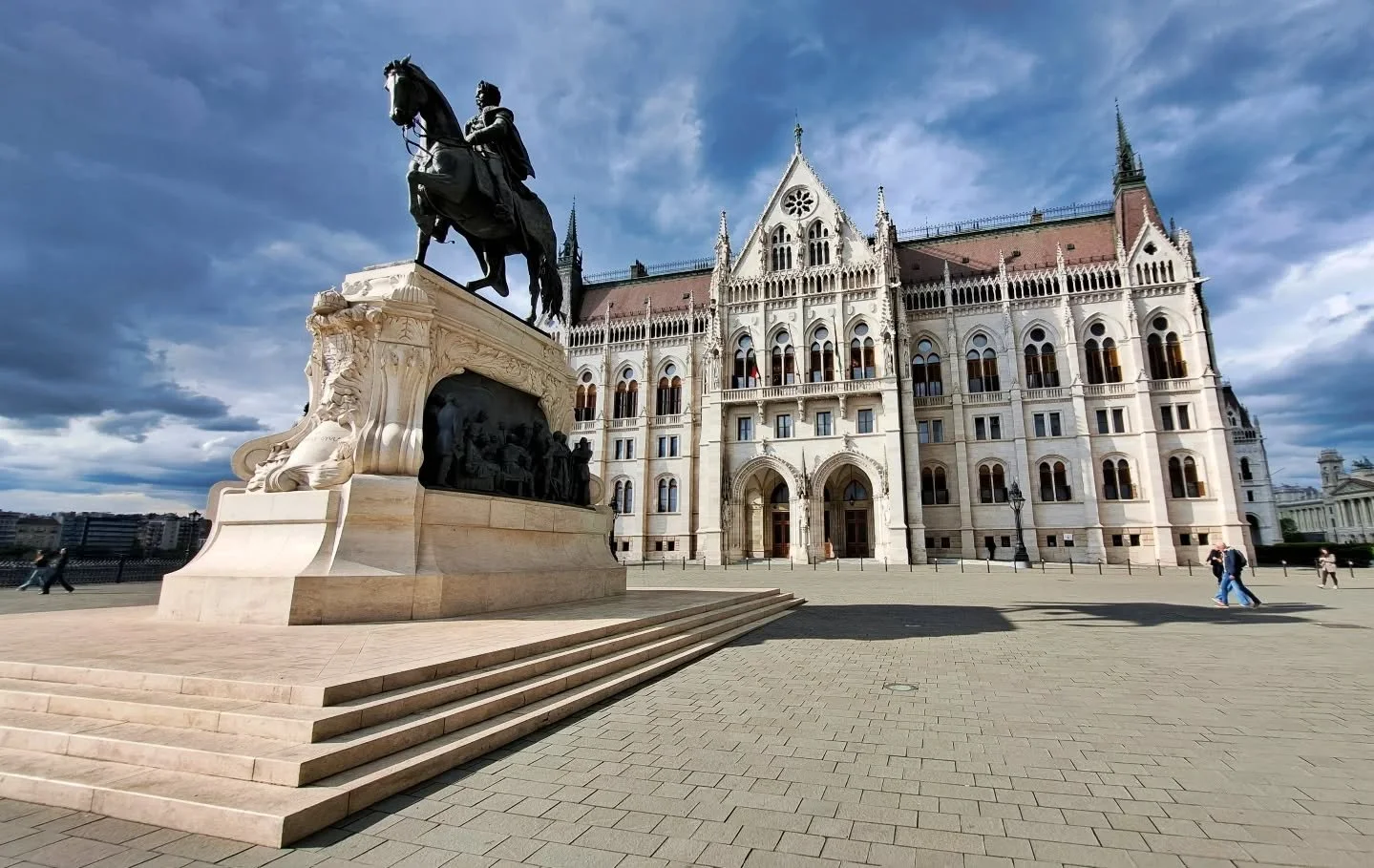
Prešeren's legacy continues to live on in Slovenia, and he is celebrated every year on the 8th of February as "Prešeren Day," a national holiday in Slovenia. His poems have been translated into numerous languages and his impact on Slovenian literature and culture cannot be overstated. He remains an important figure in Slovenian history and a source of national pride for the Slovenian people.
In conclusion, France Prešeren was a visionary poet whose works captured the essence of love, freedom, and national identity. He remains an inspiration to all Slovenians and a symbol of their cultural heritage.

In Ljubljana there's the Preseren Monument with Preseren statue looking across the square towards his girlfriend's balcony. Sitting on the monument gives you a perfect view!

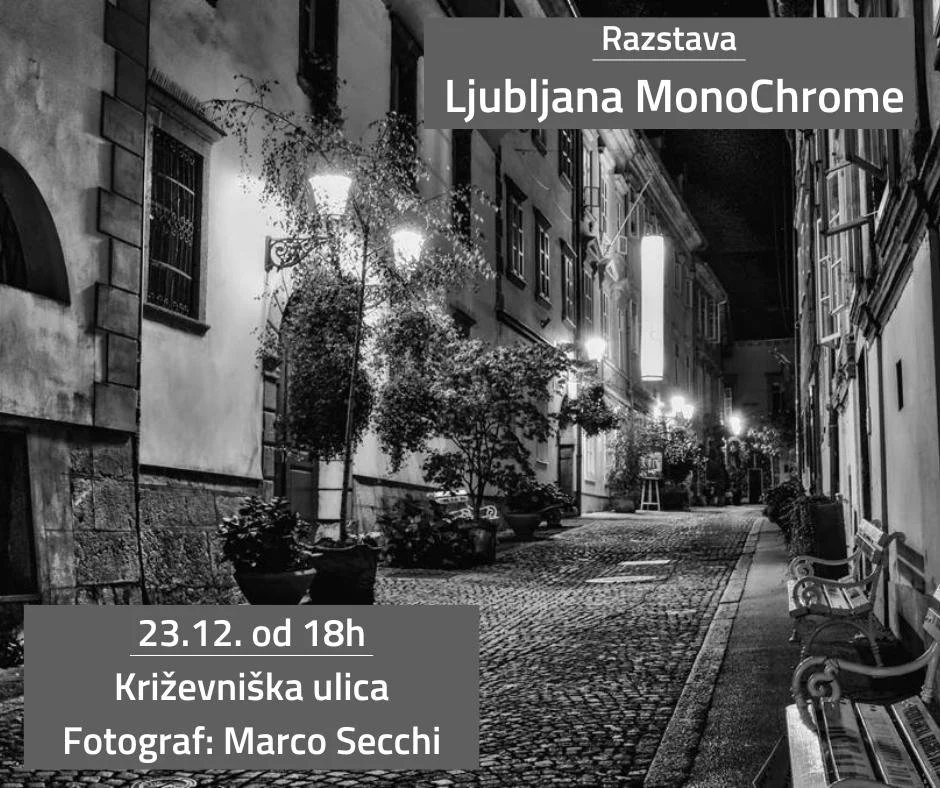
Ljubljana in Monochrome Exhibition

Ljubljana in Monochrome Exhibition. opening in Krizevniska, Ljubljana

December 23rd at 6pm

My Photozine is for sale here https://www.msecchi.com/photo-zines/ljubljana-in-monochrome


Madonna della Salute

The Madonna della Salute is the most heartfelt holiday for the Venetians, celebrated every year on November 21st. It honours the ex-voto made by doge Contarini in 1630. At that time, the Plague had already killed a quarter of the city population.

A temporary votive bridge is set up across the Grand Canal so celebrants can cross the water from Giglio to a lane near the Salute. Thousands of locals crowd into the small streets leading up to the church and line the bridge as they watch the procession carrying the statue of the Virgin Mary through town.

The genesis of the celebrations dates back to the beginning of the 17th century when an epidemic plague swept through the lagoon city of Venice. Hundreds of people died every day. The governor at the time,

Francesco Morosini, was so alarmed by the situation that he gathered the people of Venice around him and asked what they would do to stop the disease from spreading further. The response he received was an overwhelming plea for a miracle.

Morosini promised that if they prayed to Our Lady of Health to heal the sick and stop the spread of the disease, he would build a church in her honour as a symbol of gratitude. Over the next few months, the funds to build the church were collected and the plans were drawn up. The church was officially named Santa Maria della Salute and was inaugurated on Christmas Day 1631.

Since then, hundreds of Venetians have gone to the Salute church yearly to light a candle and say thanks. It is a very beloved tradition, luckily not touristy.

Why Winter Is the Best Time to Visit Venice

The magical city of canals and bridges will come to life at nighttime with the illumination of the bridges and boats all dressed up in colourful lights & lanterns. At this time of year, you can also enjoy a romantic stroll along the banks of the canal as you enjoy breathtaking views of the Grand Canal.


There are fewer tourists at this time of year as the summer crowds have left, and the restaurants and shops are less crowded.

You will get a much more authentic experience of the city, especially if you're planning on visiting one of the museums and sights, as they generally have fewer visitors during the winter months. It is also cheaper and more convenient to find accommodation as it is off-season and many hotels are much cheaper during this time.

The city becomes even more romantic at night with live music from the cafes and small bars.

The weather during winter in Venice will be a bit cold (average temperature of 38°F (3°C) in January and 41°F in February), but visiting Venice in winter is quite enjoyable. Always keep yourself warm and dry during your stay in Venice.

Winter in Venice is generally between December to February, but months such as November and March can feel wintery in Venice as well. Winter in Venice means Christmas decorations and Carnival, a foggy fairy-tale world, and the occurrence of snow and lesser crowds to fight. The skies are clearer, which means you can see beautiful sunsets over the canal.

Venice is also beautifully decorated in winter, with beautiful Christmas lights and decorations throughout the city. Some many shops and cafés are open year-round, where you can relax and enjoy the Christmas atmosphere.

A visit to Venice during the winter can be very relaxing and enjoyable as you don't get as many tourists, and it can be very easy to escape the tourist areas and explore parts of the city that are usually closed to the public in summer

Elizabeth

The Queen is one of the world's most iconic and well-known figures. She has been the monarch of England for over sixty years, and during that time, she has seen many changes.

These are my favourite images of Her Majesty Queen Elizabeth II,

Colour Photozine on Amazon with 90gr Paper

You can find it now on our website here: Elizabeth or ETSY. both 150gr Paper

`

Photographing Fall Foliage

Fall is one of the most beautiful times of year and photographing it can be a joy. There are so many different types of fall foliage to photograph, and the best place to find it is often just around the corner. Here are just a few ideas to get you started on your autumn photography journey.

Where is the best place to photograph fall foliage?

The best places to photograph fall foliage are always nearby (usually only a few miles) from where you live. The further you travel to get to a park or scenic location, the less likely you are to get great shots – especially if you're on a family vacation or other vacation.

A popular place to photograph fall foliage is The Forest of Dean in Gloucestershire, England. It contains plenty of woodlands and has views of the surrounding hills. Another good option is Joppa Flats in Maryland, which is surrounded by picturesque woodlands and farms. Try visiting these locations during golden hour for the best light conditions.

Brown also suggests visiting nearby small towns that have more scenic overlooks and are less crowded. Some of my favorites are Stone Mountain in Georgia and Pawtuckaway State Park in New Hampshire. Stone Mountain has a large, rocky outcropping covered in trees that gives a great view of the surrounding area. Pawtuckaway State Park has lots of open fields for fall foliage photos.

Another great idea for photographing fall foliage is to get off the beaten path and visit an out of the way park or local hiking trail. These places often have better views than popular spots like parks and trails in cities and other tourist destinations. Brown also suggests getting low and close to your foreground subjects. This can give your pictures a unique perspective and create a stronger composition. Make sure you watch out for distracting elements in the background when shooting. For example, if your subject is a tree, make sure there aren't other trees behind it taking up space in the frame.


"Show the subject in its environment."

Many photographers make the mistake of composing their shots in such a way that nothing interesting appears in the photo except the subject itself. A good example of this is the classic portrait of a person sitting in front of a beautiful mountain scene. When looking at this photo, all you can see are the person and the mountain, with nothing particularly interesting in the foreground. Brown suggests pointing the camera down slightly so that the subject is framed by the environment. This can make your photos more interesting and help draw attention to the subject.

Best camera setting to capture autumn foliage is Aperture Priority mode on a DSLR camera. This allows you to set your camera's aperture based on the type of shot you want to create and the lighting conditions in your scene. For example, Anne McKinnell suggests setting your camera to Aperture Priority mode, selecting an aperture of f/8 and a shutter speed of 1/500th second in bright lighting situations. This combination allows you to blur out the background and create an image with strong contrast between the subject and its background.


References

1. 10 Tips for Shooting Autumn Foliage (https://www.nikonusa.com/en/learn-and-explore/a/tips-and-techniques/10-tips-for-shooting-autumn-foliage.html)

2. Photographing Fall Foliage: Prediction Maps, Locations, & Tips (https://enviragallery.com/photograph-fall-foliage/)

3. The 20 Best Places to See Fall Foliage in the United States (https://www.marthastewart.com/2123839/best-destinations-fall-foliage-united-states)

4. Stone Mountain Park (https://discoveratlanta.com/things-to-do/outdoors/stone-mountain-park/)

5. 15 Tips for Photographing Fall Colors (https://www.maxfosterphotography.com/gallery/tips-for-photographing-fall-colors/)

6. How To Take Better Vacation Photos: 15 Composition Tips (https://www.travelawaits.com/2687170/how-to-take-better-vacation-pictures/)

7. Get Low and Aim High – How to Use Low-Angle Photography to Great Effect (https://digital-photography-school.com/get-low-and-aim-high-how-to-use-low-angle-photography-to-great-effect/)

8. Photographing Fall Foliage (https://digital-photography-school.com/photographing-fall-foliage/)

How to spot fake photos online

Sometimes the internet is full of so much information that it can be hard to know what is real and what isn’t.

This is particularly true in delicate times like the present days.

When it comes to news stories, sometimes they are just not true. However, sometimes photos can be used manipulated to make it look as though a story is real, even when it isn’t. Today we are going to look at some tips you can use to spot fake photos online in seconds.

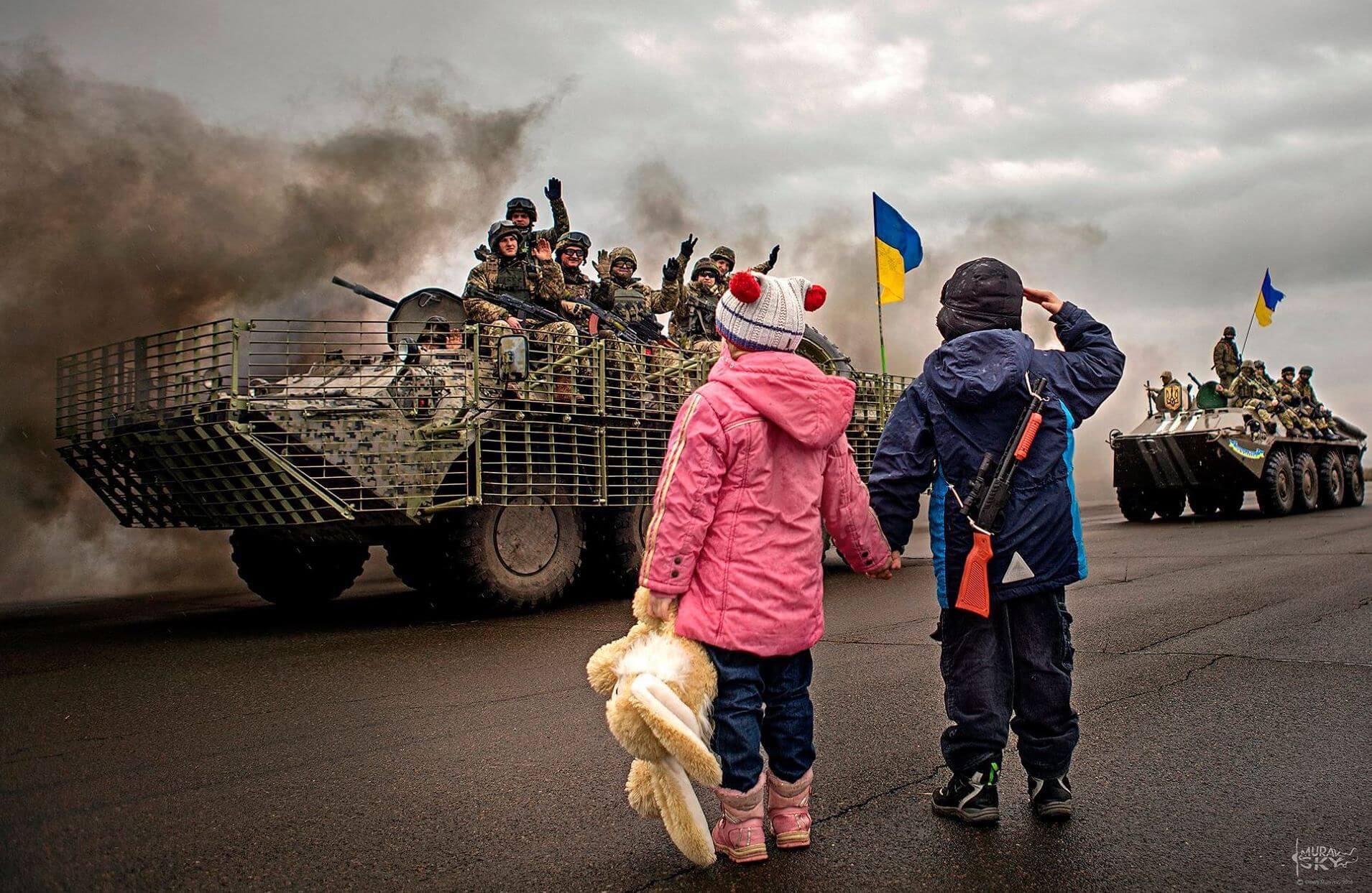
A picture that is currently widely shared and that made me write this post is the following one

As photojournalist, I have quite few brave colleagues at the moment in Ukraine documenting the war, when I saw this image so many things did not feel right. so the result is that

it was not taken in these recent days. This picture was part of a photoshoot for the Ukrainian army celebrating 27 years.

It is probably a real picture but staged and edited.

The photographer Dmitry Muravsky was dismissed by the Ukraine Defence Minister in 2016 over staged photographs.

It is being shared as a current photo on Twitter and other Social Media outlets.


This is another image went viral in these hype times.

  • The picture is nearly 2 years old

  • The gun is a toy (see label)

  • Image was staged

How to spot fake photos online

You can spot fake photos online in seconds if you know what to look for. The majority of the time, fake photos are used for a comedic effect. However, sometimes people will use fake photos to prove a point that is not true and make it appear as though it is true.

The first thing you should always do when you come across a photo that looks suspicious is doing a reverse Google image search. This allows you to see where the image has been used before and will often show you if it is real or fake. If you manage check for the Metatada.

  • Google : https://www.google.com/imghp?hl=en

  • Yandex : https://yandex.com/images/

While it is easy for people to create fake images today, there are also ways you can spot them. Here are some tips you can use to spot fake photos on the internet:

1. The first thing you are going to want to do is to look at the image itself. Images that have a resolution that looks too high, or too low can be a sign of a fake photo.

2. The next thing you are going to want to look at is the background. If it looks too ‘perfect’, this could be a sign that something is wrong with the photo.

3. Now we are going to look at the foreground of the image. Look for things that might not look right or objects that might have been copied and pasted into the image in order to make it seem more interesting.

4. Now we are going to look at any text in the image, do they look like they were added by a human or was there some sort of text generator used? If it looks like the text was added in an unprofessional way, then this is most likely a sign that the image has been faked.

5. If you see an image that has things such as lens flare or other special effects in them, see if they seem too perfect or not real enough to be true, sometimes these effects can be manipulated online using software, so if it doesn’t look quite right, then it’s probably fake!

6. Look for shadows and reflections, do the match? Is there continuity??

Finally think from a photojournalistic and news point of view. If is to perfect and it looks staged it is probably staged.

NFTs for Photographers I

The world of photography is rapidly changing. When you think about it, a photo is really just a bunch of information—a ton of metadata. And that means it can be tokenized and sold in new ways.

The power of the blockchain means that photographers, in theory, can take control of their images and make them into NFTs on the Ethereum blockchain. It means they can set the rules for their photos, including how many times they're allowed to be licensed, how much money they're worth in real-time, how long each license lasts, and so on.

More importantly, it means that photographers can finally say goodbye to the big platforms and agencies that've been taking huge cuts from sales for years.

Now, with the Ethereum blockchain, there's no gatekeeper to pay off. All the profits can stay in your pocket—and all the power stays in your hands.

Imagine what could happen if a photography startup built a blockchain-based marketplace? Photography lovers could buy, sell, protect and track their photos.

What are NTTs

Non-fungible tokens (NFT) are a digital representation of a single, unique asset. It can be a collectable, like a CryptoKitty, or ownership in a house or artwork. The great thing about NFT is that they are cryptographically secure and easy to use.

Projects like CryptoPunks have created the first wave of NFT assets, and we've seen them proliferate across games like CryptoKitties. This is just the beginning of what this new asset class will allow us to do online.

NFTs redefine digital art as something unique and irreplaceable, like a photographic print or a painting. Now there is the greater reason to own artwork as an NFT; digital media is no longer just a source of entertainment or stimulus, but a repository of value and an object of scarcity. For the artist, this means more money to be made from each piece of art produced, and vastly increased viability for digital art as a business or career.

Wallets

There are 3 main types of crypto wallets: hot wallets, cold storage, and hardware wallets. For this post we will concentrate on Hot Wallet

Creating a wallet is easy. It can be as simple as installing a browser plug-in. Creating and securing your wallets (including backups) is the responsibility of each user. If you lose your private key, you lose your bitcoins. So be sure to keep it secret and secure, and don't share it with anyone.

The following wallets can be used on multiple platforms and devices, including iOS and Android systems:

  • Coinbase Wallet – Best for Beginners.

  • Electrum – Best for Bitcoin.

  • Mycelium – Best for Mobile.

  • Ledger Nano X – Best Offline Crypto Wallet.

  • Exodus – Best for Desktop.

  • Metamask (Is the one I use regularly) and Being both a browser and mobile-based wallet, is hugely popular among crypto admirers.

Here are some of the best NFT marketplaces right now.

  1. OpenSea. OpenSea is the leader in NFT sales. ...

  2. Axie Marketplace. Axie Marketplace is the online shop for the video game Axie Infinity. ...

  3. Larva Labs/CryptoPunks.

  4. NBA Top Shot Marketplace.

  5. Rarible.

  6. SuperRare

  7. Foundation.

  8. Nifty Gateway.

How To Create Moody Monochrome Landscapes

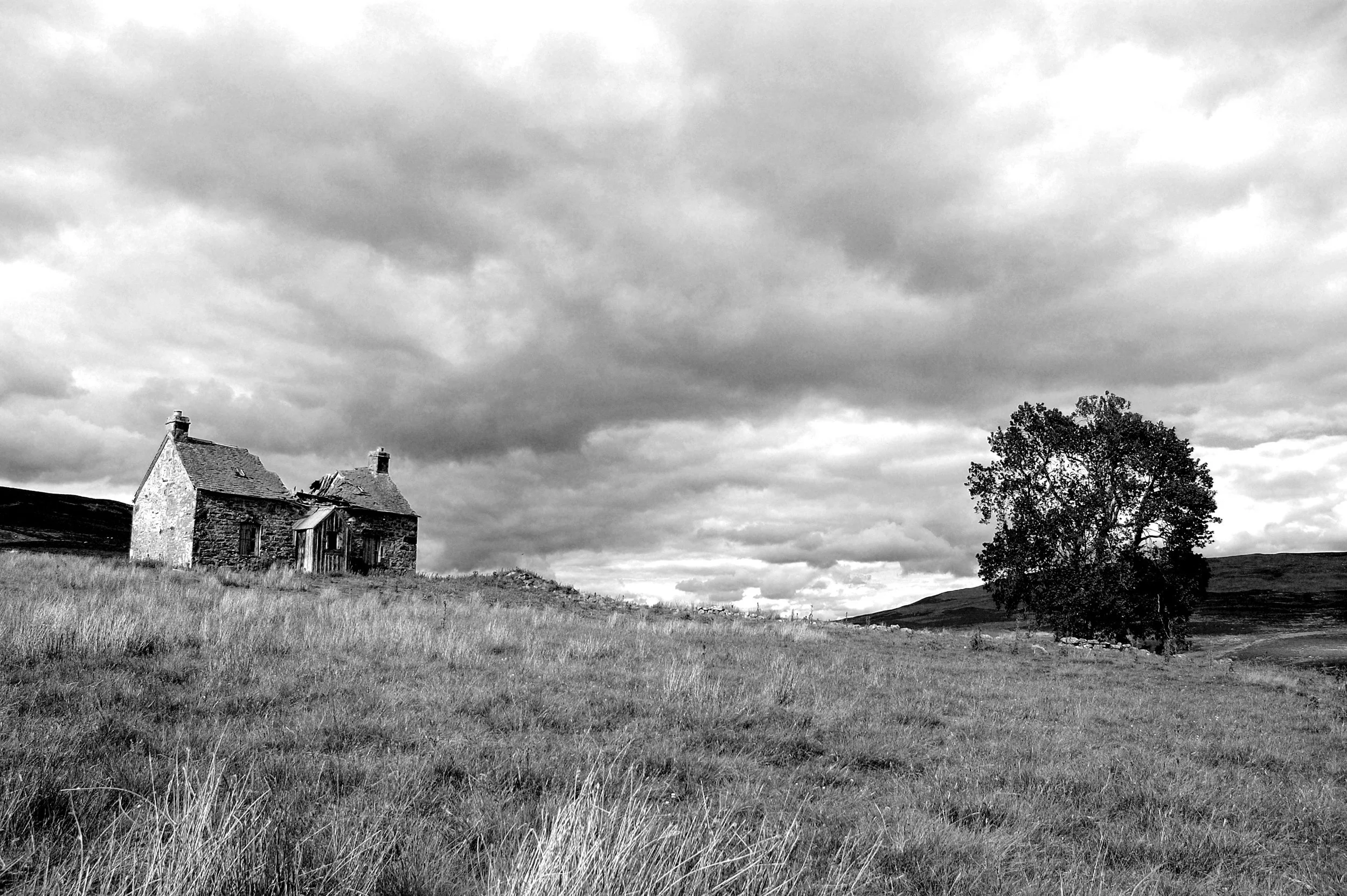
Moody monochrome landscape photography is an art. With just a change in how you see the landscape, through your eyes and through the camera lens, you could get some great black and white photos of the outdoors. This article will give you tips on how to capture those magical moments for making the best out of all kinds of outdoor photography. We will look at techniques, equipment, and other important factors for creating timeless masterpieces in monochrome.

Monochrome photography is one of the more challenging types of photography to master. Even with the right gear, it can be difficult to get the proper depth of field that helps create a moody and compelling image. In this blog post, I'll share my tips and tricks for shooting in monochrome, so you can learn how to create your own moody landscapes in no time.


Monochrome photography can be a great niche for your e-commerce photography business. It's not very common to see monochrome product photography, and people often have a hard time imagining what it looks like. But monochrome is a versatile and interesting style that lends itself to a variety of photographic applications.

The most striking thing about monochrome images is their simplicity. There's no color to distract you from the subject. Whether it's a person or an object, all you see is black and white, which makes it easy to imagine the subject as it really is — something quite different from the way you perceive it in colour.

Monochrome pictures tend to be gloomy and serious, but they can also be quite cheerful. In fact, one of the benefits of shooting in monochrome is that you don't have to choose between warm tones and cool tones, because there are no warm tones at all. Any colour tone in the scene will look good with black and white, so you don't have to worry about "matching" one tone with another.

Black and White is an effective strategy to create your own style. When shooting in monochrome, the composition is the most important aspect of a photo. It's not about whether you use colour or not, it's about how you see the world as a photographer and how you capture that vision with your camera.

Tone and mood are very important when shooting in black and white because it changes the way people perceive a scene. For example, if your goal is to create a dark and moody atmosphere, then different elements need to be emphasized within your frame.

Below are some tips to achieve this particular look:

Forecasts that include the proportion of cloud and rain, the wind speed and direction, and the temperature become crucial. A forecast indicating a 50% chance of rain and a wind speed of 15 to 20 miles per hour can be encouraging. Essentially, seek out sunny spells punctuated by periodic showers.

Clearing (or approaching) storm clouds against a deep blue sky with dark patchy shadows scudding across the terrain are photographers' dreams, yet such dramatic settings come at a cost. By definition of desiring storm clouds, the likelihood is that you may become wet, chilled, hit by hailstones, or perhaps snowed on, but trust me on this one, it will be worth it.

Days with fog, low clouds, rain or snow could be perfect for Black and White photography

The more contrast on an image, the darker it looks. If you have a lot of light areas in your photo, then it will tend to look brighter than if there aren't any bright spots in the image at all. Shadows can add a lot of contrast to an image, so if there aren't any shadows present in your scene, try adding them with artificial light sources or reflectors.

Because brightness values are inverted when converting from colour to black and white, you can use your camera's exposure compensation function (often found under the "manual" mode setting) to make scenes brighter or darker in post-processing.

Creating moody images is about creating drama, and you can do this with filters such as gradients. When you're shooting in monochrome, you can use these filters to darken a scene, by introducing more shadow. You can also use them to brighten a scene if you want more light contrast. One of the most popular monochrome filters is a three-stop graduated neutral density (GND) filter: these come in a circular shape and darken skies evenly. A six-stop GND filter is also available, which allows you to darken skies even more. Another popular filter for landscapes is an 81B warm-up filter; this adds warmth to the sky, which can be useful when shooting in overcast conditions or at twilight.

Possibly the best-known software for creating black & white images is the superb Nik Silver Efex Pro. It is a very creative and powerful program with many presets but it too has its limitations. It can be a very aggressive piece of software so you need to check your images carefully for any deficiencies and imperfections that it may create.

Taking a B&W photo means choosing which colours are important enough to preserve and which ones to discard. This isn't hard if you're taking a picture of something like a red barn with a blue sky behind it. The blue sky is irrelevant and the red barn becomes the subject of the photo. But take a landscape photo where every detail is equally important — for example, an image shot in soft light with a lot of subtle colours — and you'll have a lot more decisions to make about what stays and what goes.

Black and white photos appear timeless because they work with the viewer’s imagination. You see the value of a black and white photo very quickly and easily, while color often distracts us. The fact that no one has created the same image before you will free you up to create your own vision.

How to Photograph Your Winter Landscape

Winter presents a photographer with a unique set of challenges and opportunities. The cold temperature and lack of sunlight in winter can make it hard to take good photos, but they also create some beautiful effects. Snow reflects the light differently than other subjects and brings out the contrast in your images.

Take advantage of the low light and contrast of a snowy scene

If you're brave enough to go outside, you can capture some breathtaking scenes. Here are some tips that will help you photograph your winter landscape: Use the right equipment. When it's cold out, it's important to protect your camera from the cold. Bring along a protective cover for your camera and use gloves or hand warmers when handling your gear. Even if you don't feel like it's that cold, keep in mind that your fingers will get cold and start to lose feeling after just 15 minutes of exposure at 0 degrees Fahrenheit. Setting up a tripod is important because camera shake is more prevalent during very low-light situations and will result in blurry pictures that you don't want to have to deal with later on. Work fast. The only real way to capture winter light is right at sunrise or right at sunset, so work quickly when shooting those times of the day. If possible, try to time your shoot so that there is still some light left in the sky while

Play with shadows

Lighting is what makes landscapes special. There is something about the way a camera sees these natural scenes that is different from how the naked eye perceives them. The difference between a landscape photo and any other photo is the way light plays on the scene. It can be harsh, or soft, but it is always special. The most important part of photographing a landscape is getting the exposure right. This means making sure there isn't too much light or too little light on your subject. You measure this by using your camera's histogram to see if the image has bright areas, mid-tones and dark areas all in proportion to each other. While you are at it, check your overall composition as well. Try taking several photos of your subject with different exposures (your camera will do this automatically) and then choose which one looks best.

Be patient with your camera

There are a few ways to photograph the winter landscape: some more complicated than others. The following tips will help you get great winter pictures of your surroundings in any season. The first thing to remember is that with a digital camera, you can take as many pictures as you want without paying for film or worrying about whether you have enough room on your card. It's easy to shoot several frames of the same scene, and then choose the best one when you're done. Be Patient With Your Camera If you're just starting out with taking pictures, it can be tough to get everything lined up perfectly on the first shot. When photographing the winter landscape, it might be tempting to walk around the area until you have everything framed the way you want it - but if it's windy out and there isn't much snow on the ground, that could be dangerous. Be patient, and try to get everything lined up as well as possible before pressing the shutter button.

Go wide

Going wide is a photography term meaning, "zoom out." It's the opposite of getting in close. And in landscape photography, it is often the way to go. When you're photographing mountains or valleys or any other expansive vista, you want to get as much of it in your frame as possible. You want an environment that feels big and open and full of possibilities. Going wide gives that to you. The best way to do this (if you're using a standard point-and-shoot camera) is to simply zoom out all the way, which will probably put your lens out of its normal focal range. That's fine—you can switch back and forth between that and the zoomed-in view on your LCD screen until you find the combination that works for you. If you're using an SLR camera, there are a couple of extra things you can do: Stack lenses: If your lens has a smaller focal length than what you want, you can use an additional telephoto lens with it to get closer to your subject while maintaining the wide-angle view. You just have to make sure both lenses are compatible before buying them.* Use a wide-angle lens and shoot at a longer focal length: This is particularly handy

You don't need a lot of gear to take great photos of your winter landscape

There is nothing quite like a winter landscape. Trees and bushes are covered in snow and the ground is blanketed with pure white powder. It's a magical time of year, and you'll want to capture this beauty for future enjoyment. There is a lot you can do with your camera to make the most out of your winter landscape photos. You don't need a lot of gear to take great photos of your winter landscape, but there are some tricks that improve the quality of pictures significantly.

Hotels etc My New Favorite Travel Website To Save Money

Hotel etc is a travel hotel club reservation system, which will provide you with the most comfort and maximum discount. You never have to worry about prices.

Once you become a member, we will offer you the best hotels around the world at great prices for every occasion.

Hotel etc is also a worldwide travel club, which offers its members the following benefits:

  • The best rates on hotels and flights

  • Free upgrades

  • Special rates to condos, villas & resorts

  • Exclusive promotions & discounts

  • A dedicated 24/7 customer service team

TRAVEL YOUR WAY - Find all types of Hotels from luxury to budget hotels across the globe. Compare prices, amenities and read reviews from real travelers.

EXPLORE THE WORLD - Book flights, rental cars, vacation packages and city tours to destinations around the world with Hotel etc.

SAVE BIG - Save up to 70% in local currency on your hotel bookings using Hotel etc' s exclusive corporate & group travel savings.

FIND YOUR PERFECT HOTEL - Easily choose your preferred hotel in any location by using our advanced search options such as price, star rating, hotel type and more.

BEST RATES GUARANTEED - Get the lowest rates on hotels and be sure that they won't go higher on any other website.

I use Hotel etc travel hotel club reservation system. I have been able to get maximum discount on city hotels, flights and rent a car. It is easy to use service, with no hidden costs, just great deals. I advise everyone to visit Hotel etc website and join this wonderful club of travellers!

I am a frequent traveller and I always love to book my hotel using their system. This is the best travel hotel booking website that offers the maximum discount on its services.

Check out their website and offers here

Ljubljana: Let it Snow! Let it Snow! Let it Snow!

Ljubljana is tonight going to sleep covered in a soft mantel of snow!

You can check the small gallery below, making it a full size and scrolling through the images with the side arrows.

Catching the Social Media Wave

For many years I have had what I consider a strong and successful presence on Social Media:

  • I have more than 50,000 Followers

  • All my Social Media Accounts are Verified

  • Most of my sales happen through Social Media in different forms and way

  • I am Ambassador for quite a few brands

  • I have several Paid Posts/Adverts per month

  • My yearly turnover is above 100,000 per year

I am often asked what is the best way to succeed in Social Media so I decided to prepare a few posts .

Getting yourself set up online with social media is now becoming an absolute necessity for any business, whether based in a physical location or explicitly online. This article will show you how to effectively market your company using this new marketing outlet. It's not as hard as you might think it is.

This post may contain affiliate links that earn me a small commission but come at no extra cost to you.

To use social media marketing successfully you must be creative. The same material, sales, offers, and content will ultimately annoy your customer base to the point that they remove you from their page. Keeping things fresh and interesting makes sure they keep coming back for more, which means more sales.

To get a leg up on the social media marketing of competitors, embrace all forms of social media. Many companies assume that social media has matured and think they only need presence on Facebook, Twitter and YouTube to cover their bases. Savvy social media marketers remember that MySpace is still out there. Use it plus rising newcomers like LinkedIn, SlideShare and Google+ to expose yourself where other players are not.

Respond with care to tweets that contain rude or hateful messages. Everything you tweet is a reflection of your business. It may be tempting to shoot back a sarcastic tweet but, that will harm you in the long run. Remain professional and calm when you respond. Remember, the whole world has access to what you tweet.

When deciding how to implement your social media marketing strategies, it is important to take into consideration the nature of your products and services. For example, if purchasing your products is something that most of your customers would prefer to keep private, then do not put Facebook-like buttons right next to the buy buttons! Eventually, someone will click it accidentally and then get angry at your business.

Make sure that your business social media content is fun, interactive, and interesting to read. People who engage in social media sites want to feel compelled to share information that they find. If they share your information, it is to your company's advantage. This is a great way to find new customers and keep the old ones coming back for more.

Keep your Facebook posts regular and consistent. People will look for new content from you when they check in on their Facebook page. If they don't see it regularly, they're likely to forget about you quickly. There are many businesses out there who do post regularly and those businesses are getting the attention of consumers. Make your business one of them.

Run fun and interesting polls on your Facebook page. This is a great way to engage your audience and involve potential consumers. Facebook has an easy to use a feature that can help you with creating polls, so take advantage of it. Polls don't have to be about information directly related to your business. They can be fun, interesting, and involve current events. The point of the poll is to keep consumers interested.

As you can see from this article, while social media can seem intimidating for someone who hasn't spent much time on it, it is really quite simple. As far as marketing goes, social media is actually something that is free and simple enough to do yourself without having to hire a professional.

There are several apps I use on Social Media but two that I use all the time and I would not be able to work without them:

  • Social Pilot : It is a social media management tool that helps you manage all of your social networking sites including Facebook, Twitter, Instagram, Google+, LinkedIn, Pinterest and many more. It is the software I use several times a day for my Social Media.

    Social Pilot helps you schedule posts to your social networks with a quick setup. You can even create recurring posts for certain days or times so that you never have to worry about it again. You can check it out here

  • IQHastags: Skyrocket your Instagram profile! The most frequently used tool for Instagram hashtags and analytics. IQhashtags is the latest, complete tool for creating the most effective hashtags on Instagram. Avoid shadowban on Instagram - find banned hashtags that you use, You can check it out here

Social Pilot: n1 software to succeed in Social Media!

Social Pilot is a social media management tool that helps you manage all of your social networking sites including Facebook, Twitter, Instagram, Google+, LinkedIn, Pinterest and many more. It is the software I use several times a day for my Social Media.

Social Pilot helps you schedule posts to your social networks with quick set-up. You can even create recurring posts for certain days or times so that you never have to worry about it again.

socialpilot

As a beginner, you should not be worried about the technicalities of your social media platform. It's better to concentrate on the campaigns and promotions you want to run.

There are a lot of tools available to help you do this, but few are as effective as Social Pilot. Social Pilot is a social media management platform that helps you automate your social media marketing campaign in a way that lets you monitor and manage them from one centralized dashboard.

Social Pilot offers a variety of features to help beginners start their social media marketing efforts. It has built-in analytics tools, which provide real-time data for monitoring the performance of your posts using Facebook Insights and Twitter Analytics.

You can also create custom reports from these data. You can also schedule your posts in advance to maximize their reach and impact among your target audience.

With Social Pilot's bulk posting feature, you can schedule up to 500 posts at a time. Social Pilot also offers an RSS feed importer that imports content from various websites into your newsfeeds for posting purposes. The RSS feed importer also saves you time by allowing you to import multiple RSS feeds at once .

Social Pilot's integration with Buffer allows you to add new content quickly from within Social Pilot or post automatically from RSS feeds using Buffer .

socialpilot

This post may contain affiliate links that earn me a small commission but come at no extra cost to you.